
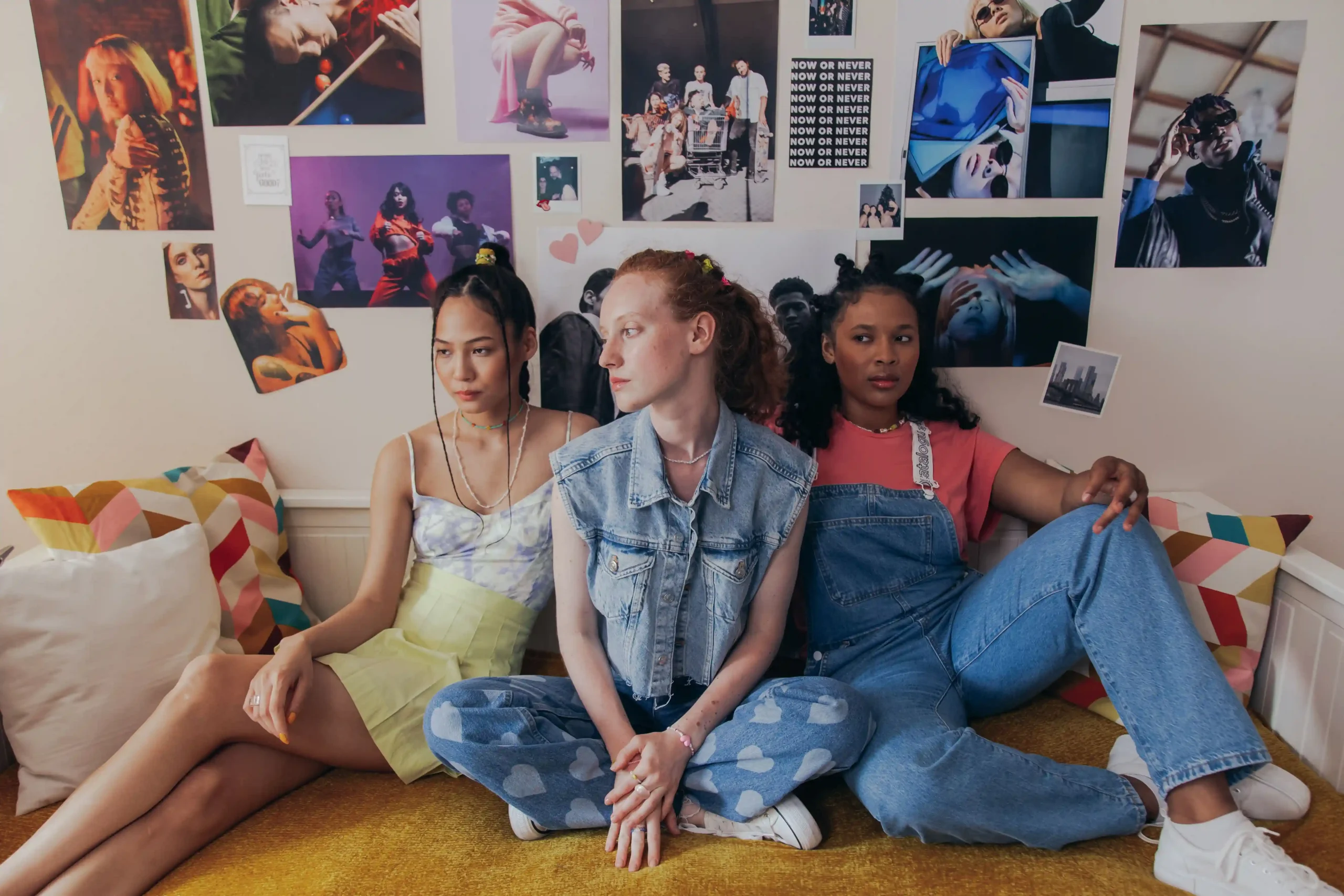
Fashion has always reflected the culture, attitudes, and aspirations of each generation. While trends come and go, certain decades leave an imprint so strong that they continue influencing designers and consumers for years to come. The 1990s is one of those rare eras. Characterized by oversized silhouettes, minimalist basics, grunge aesthetics, sporty streetwear, and effortlessly cool accessories, 90s fashion defined a generation and continues to shape modern wardrobes decades later.
What makes the revival even more fascinating is that Generation Z—many of whom were born years after the decade ended—has embraced 90s fashion with remarkable enthusiasm. From baggy jeans and oversized blazers to slip dresses and chunky sneakers, today’s young consumers are reinventing iconic looks through their own creative lens. Social media platforms, vintage shopping, celebrity influence, and a growing focus on sustainability have all contributed to making 90s fashion one of the defining style movements of the 2020s.
Rather than simply recreating old outfits, Gen Z has transformed 90s fashion into something uniquely their own. By blending vintage pieces with contemporary trends, they have proven that timeless style can evolve while maintaining its original appeal. The continued popularity of 90s fashion demonstrates that great design never truly goes out of style—it simply finds new audiences who appreciate its versatility, authenticity, and cultural significance.
What Made 90s Fashion So Iconic?
Unlike the glamorous excess of the 1980s, the 1990s embraced simplicity, comfort, and individuality. Fashion became less about following rigid style rules and more about expressing personality. The decade welcomed a wide variety of aesthetics, allowing people to experiment with clothing that reflected their interests and lifestyles.
Oversized denim, flannel shirts, crop tops, cargo pants, slip dresses, bomber jackets, and platform shoes all coexisted during the same era. Music genres such as grunge, hip-hop, pop, and alternative rock each influenced fashion in different ways, creating one of the most diverse style decades in modern history.
Television, movies, fashion magazines, and celebrity culture also played significant roles in introducing new trends. Unlike today’s fast-paced digital environment, trends developed more gradually, giving many styles enough time to become lasting cultural icons.
It is this diversity that makes 90s fashion so appealing to Gen Z today. Rather than being limited to a single aesthetic, the decade offers countless opportunities for self-expression.
Social Media Turned Vintage Into a Global Trend
One of the biggest reasons 90s fashion remains influential is the rise of social media. Platforms such as TikTok, Instagram, Pinterest, and YouTube have transformed vintage fashion from a niche interest into a worldwide movement.
Fashion creators regularly share outfit inspiration, thrift shopping finds, styling tutorials, and side-by-side comparisons between original 90s looks and modern interpretations. These platforms have introduced younger audiences to trends they may never have experienced firsthand.
Short-form videos have made it easier than ever to learn how to style vintage clothing, mix oversized silhouettes with modern basics, and recreate celebrity-inspired outfits. As these videos gain millions of views, more people become interested in experimenting with nostalgic fashion.
Social media has also accelerated fashion cycles. Trends that once took years to return can now become global sensations within weeks, making vintage-inspired clothing more accessible than ever before.
Gen Z Values Individuality Over Following Fashion Rules
Perhaps the strongest connection between Generation Z and 90s fashion lies in the shared appreciation for individuality. Today’s young consumers increasingly reject the idea that everyone should dress the same. Instead, they embrace personal style, mixing pieces from different decades, brands, and aesthetics.
The 1990s encouraged this same mindset. People combined thrift-store finds with designer labels, paired oversized clothing with fitted basics, and experimented with bold accessories that reflected their personalities.
Gen Z has expanded this philosophy by blending vintage fashion with modern streetwear, luxury pieces, handmade accessories, and sustainable brands. The result is an entirely new interpretation of 90s fashion that feels current while honoring its original spirit.
Fashion has become less about fitting into one category and more about telling an individual story through clothing.
Sustainability Makes Vintage Fashion More Appealing
Environmental awareness has become one of the defining characteristics of Generation Z. Many young consumers are increasingly conscious of the environmental impact of fast fashion and are actively seeking more sustainable shopping habits.
This shift has significantly contributed to the popularity of 90s fashion. Instead of purchasing entirely new wardrobes, many shoppers visit thrift stores, vintage boutiques, resale platforms, and local markets to find authentic clothing from previous decades.
Buying secondhand clothing reduces textile waste, extends the lifespan of garments, and encourages more responsible consumption. Vintage shopping also offers something many modern retailers cannot: originality.
Finding an authentic denim jacket, leather blazer, or oversized sweater from the 1990s allows individuals to own pieces that feel unique rather than mass-produced.
As sustainability continues influencing consumer behavior, vintage fashion is likely to remain an important part of future style trends.
Oversized Clothing Fits Today’s Lifestyle
Comfort has become one of the biggest priorities in modern fashion. Oversized hoodies, relaxed trousers, loose denim, and comfortable layering pieces dominate today’s wardrobes.
This preference aligns perfectly with one of the defining characteristics of 90s fashion.
Baggy jeans, oversized T-shirts, roomy jackets, and relaxed tailoring offered freedom of movement while creating effortlessly stylish outfits. Rather than emphasizing body-conscious silhouettes, these garments prioritized practicality without sacrificing fashion.
The lifestyle changes brought about by remote work, hybrid education, and casual dress codes have made these comfortable silhouettes even more desirable.
Gen Z appreciates clothing that feels functional enough for everyday life while remaining fashionable enough for social media, travel, and creative self-expression.
Celebrity Influence Keeps 90s Fashion Relevant
Celebrity style has always shaped fashion trends, and today’s stars continue drawing inspiration from the 1990s.
Actors, musicians, models, and influencers frequently wear oversized denim, slip dresses, leather jackets, vintage sunglasses, cargo pants, and chunky sneakers during public appearances and fashion campaigns. Luxury brands have also revived archived collections inspired by iconic 90s designs.
Fashion influencers contribute to this revival by showing followers how to recreate vintage-inspired outfits using both designer pieces and affordable alternatives.
Unlike previous generations that relied primarily on magazines or television, Gen Z has immediate access to thousands of outfit ideas through digital platforms. This constant exposure helps keep 90s fashion visible and relevant.
The Biggest 90s Fashion Trends Gen Z Loves
Several iconic fashion trends from the decade have become everyday essentials once again.
Baggy jeans have replaced skinny silhouettes in many wardrobes, offering comfort while creating balanced proportions with fitted tops.
Oversized blazers have become versatile layering pieces suitable for casual outings, work environments, and evening events.
Slip dresses continue to provide effortless elegance, often paired with sneakers, boots, or oversized jackets for a contemporary look.
Cargo pants have evolved into fashionable wardrobe staples thanks to their practicality and relaxed fit.
Chunky sneakers remain popular because they combine athletic comfort with retro appeal.
Accessories such as shoulder bags, tiny sunglasses, hoop earrings, claw clips, and bucket hats have also returned, adding subtle nostalgic details to modern outfits.
Rather than wearing these trends exactly as they appeared in the 1990s, Gen Z adapts them to reflect today’s fashion preferences.
Music, Film, and Television Continue to Inspire Fashion
Many young people discover 90s fashion through entertainment.
Classic sitcoms, teen dramas, romantic comedies, music videos, and award-show appearances continue introducing iconic outfits to new audiences through streaming services and online clips.
Fashion inspiration now extends beyond original broadcasts. Social media creators frequently recreate memorable outfits from popular television characters and musicians, encouraging viewers to explore similar styles.
The influence of music remains especially significant. Hip-hop, alternative rock, R&B, and pop artists helped define the decade’s aesthetic, and contemporary musicians often reference these styles in their own wardrobes and performances.
This ongoing cultural visibility ensures that 90s fashion remains relevant across multiple generations.
Gen Z Gives 90s Fashion a Modern Twist
Although Generation Z embraces vintage fashion, they rarely copy it exactly.
Instead, they reinterpret classic pieces by combining them with modern silhouettes, contemporary accessories, and current beauty trends.
A vintage oversized denim jacket may be paired with tailored trousers instead of matching denim. Baggy jeans are often styled with minimalist crop tops rather than oversized shirts. Slip dresses frequently appear layered over fitted T-shirts or beneath structured blazers.
This blending of old and new keeps vintage fashion feeling fresh rather than outdated.
The ability to personalize outfits is one of the reasons 90s fashion continues appealing to younger consumers. Every outfit becomes an opportunity for creativity instead of simply following trends.
Why Nostalgia Matters—Even for a Generation That Didn’t Experience the 90s
One of the most interesting aspects of the 90s revival is that many Gen Z consumers never lived through the decade.
Their connection comes from cultural nostalgia rather than personal memories.
Streaming platforms, social media, fashion archives, documentaries, music playlists, and vintage photography have introduced them to the era in ways previous generations never experienced.
The 1990s often represent a simpler period before smartphones dominated everyday life. This perception creates emotional appeal, encouraging younger audiences to embrace clothing associated with authenticity, creativity, and self-expression.
For many, wearing 90s-inspired fashion is not about reliving history but celebrating timeless style.
Will 90s Fashion Ever Go Out of Style?
Fashion history suggests that trends naturally evolve rather than disappear. While certain silhouettes may become more or less popular over time, the core elements of 90s fashion have proven remarkably adaptable.
Comfort, versatility, individuality, and timeless basics remain relevant regardless of changing fashion cycles.
Designers continue introducing updated versions of classic denim, oversized tailoring, minimalist dresses, retro sneakers, and vintage-inspired accessories because these pieces consistently resonate with consumers.
As sustainability becomes increasingly important and vintage shopping continues growing, authentic 90s fashion may become even more valuable in the years ahead.
Rather than fading away, the decade will likely continue inspiring future generations through reinterpretation and innovation.
Conclusion
The enduring influence of 90s fashion on Generation Z demonstrates that exceptional style transcends generations. What began as a defining fashion movement decades ago has evolved into one of today’s most influential trends, driven by nostalgia, sustainability, individuality, and the power of social media.
Generation Z has embraced the best elements of 90s fashion while adapting them to reflect modern lifestyles and values. Oversized clothing, vintage denim, minimalist silhouettes, chunky sneakers, and timeless accessories have found new life in wardrobes around the world because they offer both comfort and creative freedom.
More importantly, the revival of 90s fashion reflects a broader shift in how people approach personal style. Instead of chasing every passing trend, many consumers are choosing pieces that express their identity, support sustainable shopping habits, and remain versatile over time.
As fashion continues to evolve, the influence of the 1990s shows no signs of disappearing. Whether discovered through thrift stores, social media, or iconic pop culture moments, the decade continues to inspire a new generation that appreciates authenticity as much as style. In a world where trends change quickly, 90s fashion has earned something far more valuable than temporary popularity—it has secured its place as a timeless source of inspiration for generations to come.
Leave a Reply