
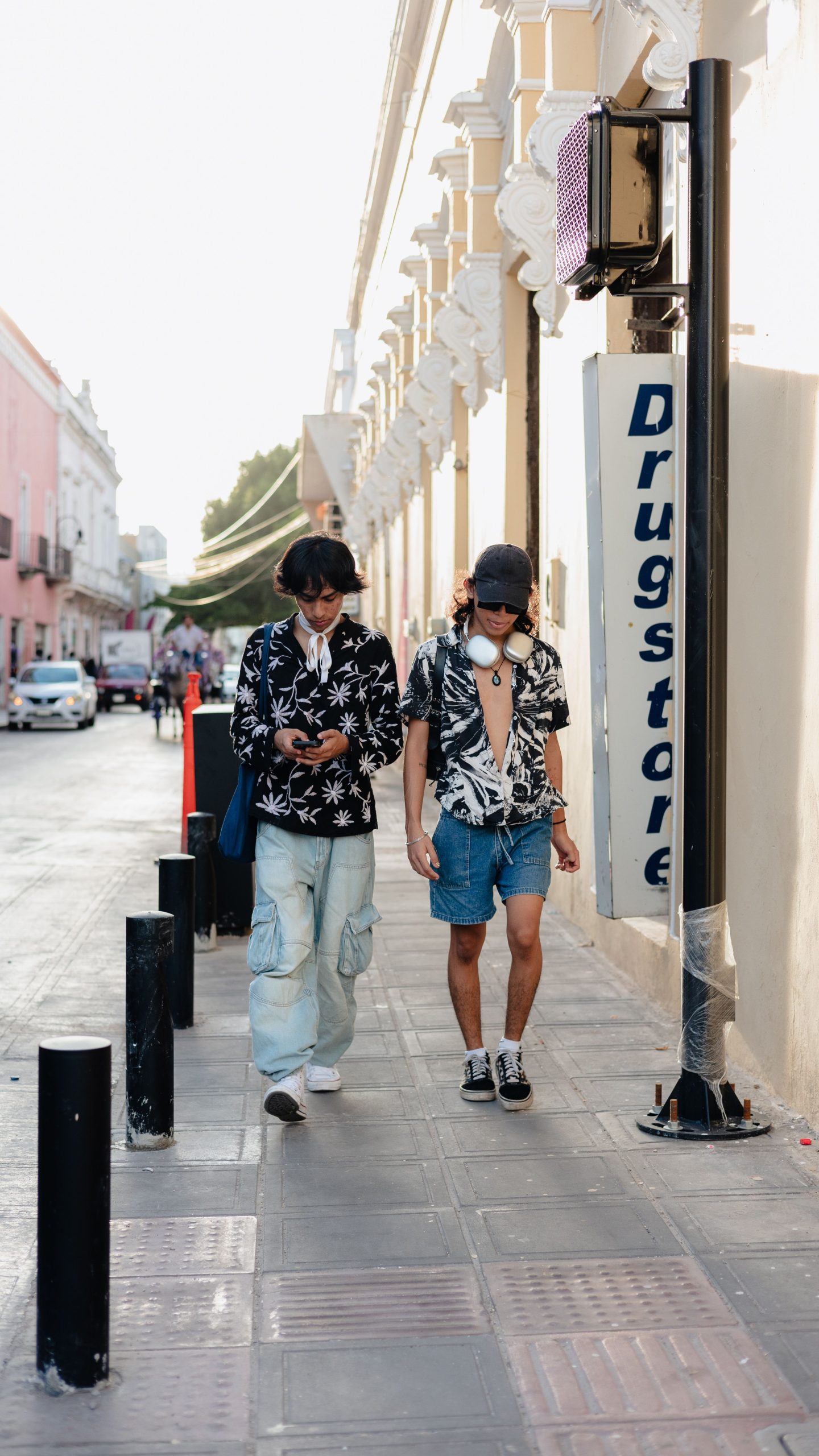
Fashion trends used to move through a predictable cycle. Designers presented collections on runways, fashion editors identified emerging trends, retailers produced similar styles, and consumers eventually saw those looks in stores. Today, celebrity street style is speeding up that process, with off-duty outfits often influencing everyday shopping before traditional runway trends have time to fully reach the mainstream.
A celebrity leaving an airport, grabbing coffee, attending a casual event, or simply being photographed on the street can generate thousands of reactions within hours. A jacket, pair of sneakers, handbag, sunglasses, or hairstyle can suddenly become something fans want to recreate.
Social media is a major reason this happens so quickly.
A single photograph can be reposted across multiple platforms, analyzed by fashion accounts, recreated by creators, and linked to similar products almost immediately. Instead of waiting for a fashion magazine to identify a trend, shoppers can discover a look directly through their feeds.
The appeal of off-duty style is also its accessibility.
Red-carpet fashion can be dramatic and difficult to replicate in everyday life, but casual celebrity outfits often feel more realistic. Jeans, oversized jackets, sneakers, simple dresses, baseball caps, handbags, and everyday accessories can easily become part of someone’s own wardrobe.
This makes celebrity street style particularly powerful for retailers.
When shoppers see a recognizable celebrity wearing a specific type of item, the look can create immediate demand for similar products. Search behavior can increase, social media engagement follows, and retailers can quickly respond with comparable styles.
Artificial intelligence and shopping technology are making this process even faster. Visual search tools can help consumers identify clothing from photographs, while recommendation systems can suggest similar items based on images or browsing behavior. A shopper can see a celebrity wearing something and potentially find a comparable version within minutes.
This has changed the relationship between inspiration and shopping.
The distance between seeing a trend and purchasing it is becoming shorter.
Creators are also contributing to the cycle. Fashion influencers frequently recreate celebrity outfits, explain how to achieve similar looks, and recommend affordable alternatives. This allows a single celebrity outfit to influence several different price points and audiences.
The trend also reflects a broader shift toward personal style. Consumers are not necessarily interested in copying an entire celebrity wardrobe. Instead, they may take one element—a certain shoe silhouette, color combination, bag shape, or layering technique—and incorporate it into their existing style.
This makes street style feel less like a rigid trend and more like a source of inspiration.
Celebrity influence can also work in unexpected ways. Sometimes an outfit becomes popular because it looks effortless rather than carefully styled. A simple combination can resonate precisely because it feels achievable.
That is one reason off-duty fashion continues to perform so well online.
The trend cycle is becoming faster, but that does not mean every viral look becomes a lasting fashion movement. Some styles disappear as quickly as they arrive. Others become wardrobe staples because they are practical, versatile, and easy to adapt.
The challenge for shoppers is learning to distinguish between the two.
Instead of buying something simply because it appeared in a viral photograph, consumers can consider whether the piece works with what they already own and whether they would still want it without the celebrity connection.
Celebrity street style may not replace the runway, but it is changing how trends reach consumers.
The runway still creates fashion.
The sidewalk—and increasingly the social media feed—decides what people want to wear next.
Leave a Reply