
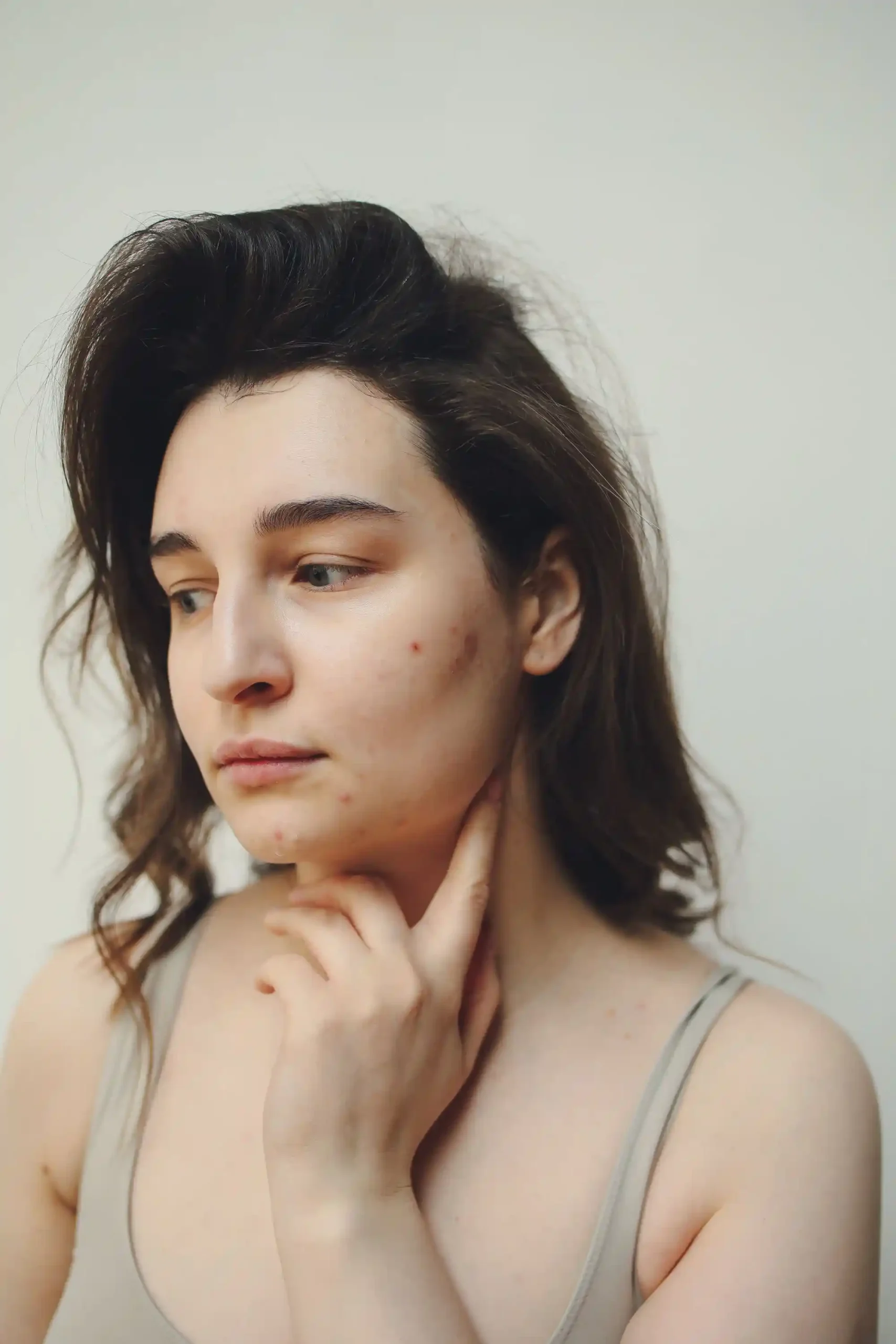
Your 30s can bring many changes to your skin. You may notice that products that worked perfectly in your 20s suddenly seem less effective, your skin feels drier or more sensitive, or unexpected breakouts begin appearing even though you thought your acne years were behind you. For both men and women, the transition into the 30s can be a time when skin becomes more unpredictable.
One of the most frustrating changes is adult or hormonal acne. Breakouts may appear around the jawline, chin, cheeks, or other areas that were not common problem spots before. At the same time, your skin may begin showing early signs of aging, including fine lines, uneven texture, dullness, or changes in firmness.
These changes do not necessarily mean that something is wrong with your skin. Skin naturally changes with age, and hormones, genetics, stress, lifestyle, medications, skincare habits, and environmental factors can all influence its appearance. Understanding what is happening can make it easier to build a skincare routine that works for your skin today rather than relying on products that worked years ago.
Why Does Skin Change in Your 30s?
Your skin does not suddenly become completely different when you turn 30. Instead, gradual biological changes begin to become more noticeable. Cell turnover can slow, collagen production gradually declines, and the skin’s ability to retain moisture may change.
Hormonal fluctuations can also influence oil production. In some people, this can contribute to clogged pores and breakouts. At the same time, other areas of the face may feel drier than they did in the past.
This combination can be confusing. You might experience an oily forehead but dry cheeks, or occasional breakouts alongside fine lines. It is possible to have both acne-prone and aging skin at the same time.
Your lifestyle can also become an important factor. Work stress, inconsistent sleep, changes in diet, exercise habits, alcohol consumption, and environmental exposure can all affect how your skin looks and feels.
Rather than searching for one explanation, it is more useful to think of your 30s as a period when your skin may need a more balanced and consistent approach.
What Causes Hormonal Acne After 30?
Hormonal acne is commonly associated with fluctuations in hormones that can influence oil production and inflammation. When oil production increases, pores may become more likely to clog, creating an environment where acne can develop.
For women, hormonal changes associated with menstrual cycles, pregnancy, stopping or starting certain hormonal contraceptives, and other life stages can influence breakouts. Some women notice acne appearing or becoming worse around their menstrual period.
Men can also experience adult acne. Androgens influence sebaceous glands and oil production, which means hormonal activity can contribute to acne in men as well.
Hormones are not the only possible cause. Stress, genetics, skincare products, medications, friction, sweating, and other factors can contribute to breakouts.
This is why treating adult acne requires more than simply assuming every breakout is caused by hormones.
Why Acne May Appear Around the Jawline and Chin
Many adults notice breakouts concentrated around the lower face, particularly the chin and jawline. This pattern is often associated with hormonal acne, although the location of acne alone cannot determine its exact cause.
Hormonal fluctuations can influence oil production and inflammation in this area, making it a common location for recurring breakouts. Some people may notice that these pimples appear at predictable times, such as before menstruation.
However, products, makeup, shaving, friction, and touching the face can also contribute to breakouts around the lower face.
If acne repeatedly appears in the same area, consider looking at everything that comes into contact with your skin. Hair products, makeup, pillowcases, phones, helmets, masks, and shaving products can sometimes contribute to irritation or clogged pores.
Men and Hormonal Acne in Their 30s
Skincare discussions often focus heavily on women’s hormonal acne, but men can experience adult acne as well.
Androgens can stimulate the sebaceous glands, increasing oil production. Men may also experience breakouts related to shaving, sweat, friction, exercise, or products that are too heavy for their skin.
A common mistake is assuming that men’s skin needs aggressive cleansing because it tends to produce more oil. Over-cleansing or using harsh products can strip the skin barrier and leave the skin irritated.
A simple routine consisting of a gentle cleanser, moisturizer, sunscreen, and targeted acne treatment can often be a better starting point than using multiple harsh products.
Men who shave regularly should also pay attention to technique. Using a clean razor, avoiding excessive pressure, and using products designed to reduce irritation can help minimize shaving-related bumps and inflammation.
Your Skin Barrier Becomes More Important
One of the biggest skincare lessons of your 30s is that clearer skin does not necessarily come from using stronger products.
Your skin barrier helps protect the skin and reduce water loss. When the barrier becomes irritated or compromised, skin can feel dry, tight, flaky, sensitive, or uncomfortable.
Using too many exfoliating acids, scrubs, retinoids, acne treatments, or strong cleansers at the same time can create irritation. Ironically, trying to eliminate acne too aggressively can make your skin look and feel worse.
A balanced routine should support the skin barrier while addressing acne. This means cleansing gently, moisturizing consistently, and introducing active ingredients gradually.
Healthy-looking skin is not about removing every trace of oil. Some natural oil is necessary for maintaining comfortable skin.
How to Prevent Breakouts in Your 30s
Preventing adult acne begins with consistency. Instead of constantly changing products whenever a new breakout appears, give your routine time to work.
Start with a gentle cleanser that removes sweat, oil, sunscreen, and makeup without leaving your skin feeling stripped. Cleanse after sweating, particularly after workouts, but avoid repeatedly washing your face throughout the day.
Next, use a moisturizer appropriate for your skin type. People with acne-prone skin may prefer lightweight, non-comedogenic formulas, while those with dry skin may benefit from richer moisturizers.
Daily sunscreen is also essential. Sun exposure can contribute to premature skin aging and can make some acne-related discoloration more noticeable. A broad-spectrum sunscreen with SPF 30 or higher is a useful everyday habit.
The goal is to create a routine that you can realistically maintain every day.
Choose Acne-Fighting Ingredients Carefully
Several skincare ingredients can help manage acne, but more is not always better.
Salicylic acid is a beta hydroxy acid that can help exfoliate inside pores and may be useful for people dealing with clogged pores and certain types of acne. It can be especially helpful when blackheads and whiteheads are a concern.
Benzoyl peroxide can help reduce acne-causing bacteria and inflammation and is commonly used for inflammatory acne. It can be drying or irritating for some people, so starting gradually can be helpful.
Retinoids are another important ingredient category. They can help keep pores from becoming clogged and are also widely used in skincare routines focused on signs of aging. However, they can cause irritation when introduced too quickly.
If you are adding a new active ingredient, start with one product rather than introducing several at once. This makes it easier to determine how your skin responds.
Do Not Over-Exfoliate
Exfoliation can help improve texture and remove excess dead skin cells, but excessive exfoliation can cause irritation.
In your 30s, it can be tempting to use multiple exfoliating products because you are trying to address acne, dullness, fine lines, and uneven texture simultaneously. Combining several strong products can overwhelm your skin.
Physical scrubs can also be irritating, particularly for sensitive or inflamed acne-prone skin.
Instead, choose one exfoliating ingredient that addresses your main concern and use it according to your skin’s tolerance. If your skin becomes red, burning, unusually dry, or uncomfortable, reduce the frequency or stop the irritating product.
Skincare should not hurt to be effective.
Stress and Your Skin
Stress is another factor worth considering when breakouts become more frequent in your 30s. Adult life can bring demanding careers, family responsibilities, financial pressure, relationship changes, and other sources of stress.
Stress does not automatically cause acne, but it can influence hormones and behaviors that may contribute to breakouts. For example, stress can affect sleep, encourage face touching, change eating habits, and make it harder to maintain a consistent skincare routine.
Improving stress management is not a replacement for acne treatment, but healthy habits can support overall skin health.
Prioritizing sleep, staying physically active, drinking enough water, and finding realistic ways to manage stress can complement a good skincare routine.
Your Diet and Adult Acne
The relationship between diet and acne is complex, and there is no universal “acne diet” that works for everyone.
Some research suggests that certain dietary patterns, including diets with a high glycemic load, may be associated with acne in some people. Dairy has also been studied in relation to acne, although individual responses can vary.
Rather than eliminating entire food groups based on social media advice, pay attention to patterns. If you consistently notice that certain dietary habits coincide with changes in your skin, discuss your concerns with a qualified healthcare professional or registered dietitian.
A balanced diet that includes fruits, vegetables, whole grains, protein sources, and healthy fats can support overall health and provide nutrients needed by the body.
Do Not Pick Your Pimples
One of the simplest pieces of acne advice is also one of the hardest to follow: avoid picking.
Squeezing or picking a pimple can increase inflammation and may damage the surrounding skin. It can also increase the risk of lingering marks or scarring.
Instead, use an appropriate acne treatment and give the blemish time to heal. Hydrocolloid patches can also be useful for some surface-level pimples because they can protect the area and discourage touching.
If you regularly develop painful, deep, or persistent acne, professional treatment may be more effective than repeatedly trying to handle it yourself.
When Your Skincare Routine Needs to Change
A skincare routine that worked in your 20s may not necessarily be the best routine for your 30s.
You may need more hydration than before. You may need to introduce a retinoid or antioxidant-focused product for concerns related to visible aging. You may also need to reduce the frequency of exfoliation if your skin has become more sensitive.
The important thing is not to change everything at once.
Start by identifying your primary concern. If acne is your biggest issue, focus on managing breakouts while maintaining the skin barrier. If dryness is more noticeable, prioritize hydration. If uneven tone or early signs of aging are your main concerns, introduce targeted ingredients gradually.
Your routine should evolve with your skin.
A Simple Skincare Routine for Your 30s
A basic morning routine can be surprisingly effective. Begin with a gentle cleanser, followed by a moisturizer appropriate for your skin type. Finish with broad-spectrum sunscreen.
If you want to add an active ingredient in the morning, choose one that fits your specific concerns and is compatible with the rest of your routine.
At night, cleanse your skin to remove makeup, sunscreen, sweat, and daily buildup. Apply your selected acne or treatment product according to its instructions, followed by moisturizer.
You do not need a ten-step routine to have healthy-looking skin. Consistency is often more valuable than having a bathroom shelf filled with products.
When to See a Dermatologist
Occasional breakouts are common, but persistent or severe acne may require professional treatment.
Consider speaking with a dermatologist if your acne is painful, deep, widespread, leaving scars, repeatedly returning despite consistent skincare, or significantly affecting your confidence and quality of life.
A dermatologist can determine whether your acne is hormonal, inflammatory, comedonal, or related to another condition. They can also recommend prescription treatments when appropriate.
For women experiencing sudden severe acne along with other noticeable hormonal symptoms, discussing those changes with a healthcare professional is particularly important.
Professional advice can save you from spending months trying products that are not appropriate for your skin.
Embracing Your Skin in Your 30s
Your 30s do not mean your skin is suddenly declining. They simply represent a new stage in which your skin may have different needs.
You can experience acne and early signs of aging at the same time. You can have oily skin and still need moisturizer. You can develop sensitivity after years of tolerating stronger products. These changes are normal and do not mean that you have failed at skincare.
The most effective approach is to pay attention to what your skin is communicating. Instead of constantly chasing trends, build a routine around proven basics: gentle cleansing, hydration, sun protection, and targeted treatments when needed.
Final Thoughts
Skin changes in your 30s can be surprising, especially when hormonal acne appears after years of relatively clear skin. Hormonal fluctuations, genetics, stress, lifestyle factors, skincare habits, and environmental influences can all play a role in how your skin behaves.
The good news is that adult acne does not mean you have to choose between clear skin and healthy-looking, youthful skin. A thoughtful routine can address breakouts while also protecting the skin barrier and supporting long-term skin health.
Keep your routine simple, introduce active ingredients gradually, avoid over-exfoliation, protect your skin from the sun, and resist the urge to pick at breakouts. Most importantly, remember that skincare is not about having perfect skin. It is about understanding your changing skin and giving it the care it needs at every stage of life.
Your 30s can be an opportunity to become more intentional about skincare. Instead of relying on the same routine you used years ago, learn what your skin needs now. With consistency, patience, and the right approach, you can manage hormonal breakouts while maintaining skin that looks healthy, balanced, and cared for.
Leave a Reply