
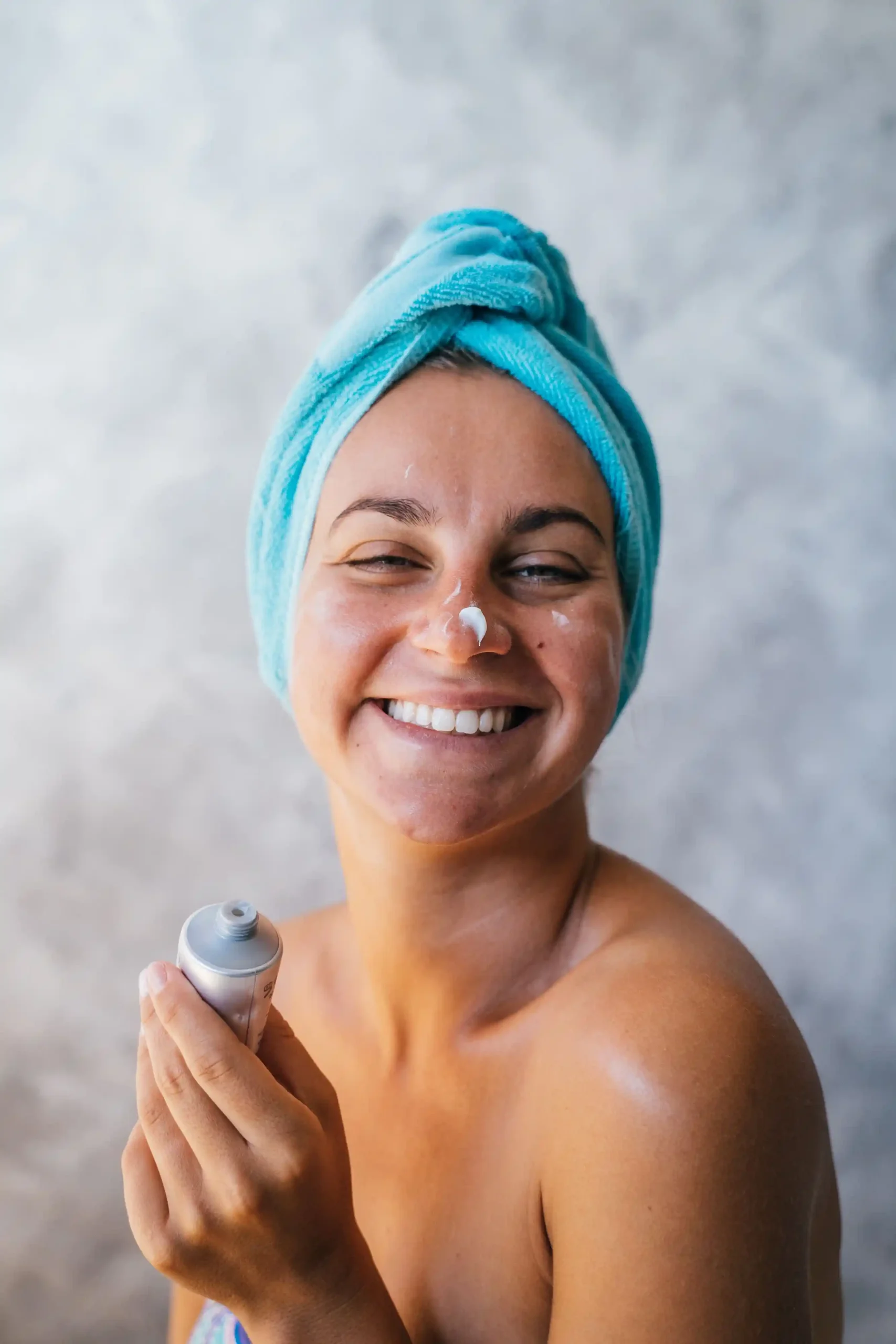
For years, skincare has largely focused on familiar concerns such as acne, wrinkles, dryness, and sun damage. But today, there is another factor that deserves a place in the conversation: the changing climate. Rising temperatures, stronger heat waves, changing humidity levels, air pollution, and increased exposure to ultraviolet radiation can all create additional challenges for the skin. As our environment changes, the way we care for our skin may need to change with it.
Our skin is the body’s largest organ and one of its most important protective barriers. It constantly stands between our internal body and the outside world, helping regulate temperature, prevent excessive water loss, and protect us from environmental irritants. Because it is exposed every day to heat, sunlight, pollution, wind, and humidity, the skin can be particularly vulnerable to environmental changes.
This is why climate-conscious skincare is becoming increasingly important. You do not necessarily need an entirely new collection of products. Instead, the goal is to understand what your skin is experiencing and build a consistent routine that supports its natural barrier while providing protection from environmental stressors.
Understanding the Connection Between Climate Change and Skin Health
Climate change does not affect everyone’s skin in exactly the same way. The impact can depend on where you live, the season, your skin type, your age, your daily activities, and your existing skincare routine. However, several environmental changes can contribute to common skin concerns.
Higher temperatures can increase sweating and oil production, potentially contributing to clogged pores and breakouts. Hot weather can also encourage people to spend more time outdoors, increasing their exposure to sunlight. At the same time, extreme weather conditions and changing humidity can affect the skin’s ability to retain moisture.
Air pollution is another concern. Pollutants and particulate matter can settle on the skin throughout the day and may contribute to oxidative stress and inflammation. When combined with UV exposure and other environmental stressors, pollution can make it even more important to maintain a healthy skin barrier and practice daily skin protection.
The important takeaway is not that climate change automatically causes skin problems. Rather, a changing environment can add stress to the skin, making thoughtful and consistent skincare increasingly valuable.
Why Your Skin Barrier Matters More Than Ever
One of the most important concepts in modern skincare is the skin barrier. The outermost layer of the skin helps keep moisture inside while providing a defense against environmental irritants.
When the skin barrier is functioning properly, skin generally feels comfortable and balanced. When it becomes compromised, the skin may feel tight, dry, rough, irritated, or unusually sensitive. In some people, barrier disruption can also make existing skin conditions more difficult to manage.
Environmental stress can contribute to barrier problems, but skincare habits can play a role too. Over-cleansing, frequent exfoliation, very hot showers, and using too many strong active ingredients can potentially leave the skin more vulnerable.
Climate-conscious skincare therefore begins with something simple: protect the barrier. A gentle cleanser, an appropriate moisturizer, and daily sunscreen can form the foundation of a routine without overwhelming the skin.
Heat Can Change the Way Your Skin Behaves
As temperatures rise, the skin responds to the heat. Sweating is one of the body’s natural mechanisms for cooling itself, but sweat combined with oil, dirt, makeup, and environmental particles can sometimes contribute to congestion.
People with oily or acne-prone skin may notice that their complexion becomes shinier or more prone to breakouts during hot weather. However, aggressively stripping away oil is not necessarily the answer. Harsh cleansers can remove protective oils and potentially contribute to dryness and irritation.
Instead, focus on gentle cleansing and choose lightweight products when the weather is hot and humid. A lightweight moisturizer can still be important because oily skin needs hydration too. Look for textures that feel comfortable in your climate rather than assuming that moisturizer should be skipped during warmer months.
If you exercise outdoors, sweating can also increase the need to cleanse afterward. Removing sweat and buildup without excessive scrubbing can help keep the skin feeling fresh while minimizing unnecessary irritation.
Humidity and Dry Air Require Different Approaches
Climate can affect skin hydration in different ways. High humidity may make the skin feel sticky or oily, while dry environments can increase moisture loss and leave the skin feeling tight.
This is why skincare should not necessarily remain identical throughout the entire year. A rich moisturizer that feels comfortable during a dry or cooler season may feel heavy during a humid summer. Conversely, a lightweight gel moisturizer may not provide enough comfort when the air becomes particularly dry.
Rather than following a rigid routine, pay attention to how your skin feels. If it feels tight, flaky, or uncomfortable, it may need more moisture and barrier support. If it feels excessively oily or congested, lighter textures may be more appropriate.
Adapting your skincare routine to environmental conditions is not about constantly buying new products. It is about making small adjustments based on what your skin actually needs.
UV Protection Is Non-Negotiable
When discussing climate change and skincare, sun protection deserves special attention. Ultraviolet radiation is a major environmental factor associated with premature skin aging and skin cancer.
Daily sunscreen is one of the most important steps in a protective skincare routine. It can help protect the skin from UV exposure that occurs during everyday activities, not just intentional sunbathing or beach trips.
A broad-spectrum sunscreen can help protect against both UVA and UVB radiation. Choosing an SPF 30 or higher is commonly recommended for everyday sun protection, while the right application and reapplication habits are equally important.
Sunscreen should not be viewed as a seasonal product. UV exposure can occur throughout the year, including on days when the temperature does not feel particularly hot.
It is also important to remember that sunscreen is only one part of sun protection. Seeking shade, wearing protective clothing, using sunglasses, and avoiding prolonged exposure during periods of intense sunlight can provide additional protection.
Pollution and Your Skin
For people living in busy cities, pollution is another environmental factor worth considering. The skin is directly exposed to airborne particles and pollutants throughout the day.
Environmental pollutants can contribute to oxidative stress, which is why maintaining a strong skin barrier and using a consistent cleansing routine can be helpful. At the end of the day, cleansing can remove sunscreen, makeup, sweat, and accumulated environmental debris from the skin.
However, more cleansing is not necessarily better. Excessive washing or harsh scrubbing can irritate the skin and weaken its protective barrier. A gentle cleanser that effectively removes daily buildup without leaving the skin feeling stripped is often a better approach.
Antioxidant-rich skincare ingredients are also frequently discussed in the context of environmental skin protection. Ingredients such as vitamin C, vitamin E, and niacinamide are commonly incorporated into skincare routines because of their antioxidant or skin-supporting properties. However, individual tolerance matters, and introducing multiple active ingredients at once can increase the risk of irritation.
Climate Change and Sensitive Skin
People with sensitive or reactive skin may notice environmental changes more quickly. Heat, sweating, humidity, dry air, wind, and pollution can all become potential sources of discomfort.
For sensitive skin, simplicity can be particularly valuable. Instead of constantly experimenting with new products, build a reliable routine around gentle cleansing, moisturizing, and sun protection.
Fragrance-free products may be worth considering if fragrance tends to irritate your skin. It is also helpful to introduce new products gradually rather than adding several new ingredients simultaneously.
If persistent redness, itching, burning, rashes, or other unusual symptoms develop, skincare products may not be the whole story. A dermatologist can help determine whether an underlying skin condition or environmental trigger is involved.
Build a Climate-Proof Skincare Routine
A climate-proof skincare routine does not have to be complicated. In fact, the strongest routine is often one that you can consistently maintain.
In the morning, start with gentle cleansing if needed, followed by moisturizer and broad-spectrum sunscreen. Depending on your skin type and climate, you may prefer a lightweight moisturizer during hot and humid weather or a richer formula during dry conditions.
During the day, sunscreen becomes particularly important if you are outdoors. Reapplication is essential when you spend extended periods outside, sweat heavily, or swim.
At night, cleanse the skin to remove sunscreen, makeup, sweat, and environmental buildup. Follow with a moisturizer that supports the skin barrier. If you use treatment products such as retinoids, exfoliating acids, or other active ingredients, introduce them carefully and avoid overwhelming your skin.
The objective is not to have the longest skincare routine. It is to have a routine that consistently protects, hydrates, and supports your skin.
Listen to Your Skin Instead of Following Every Trend
One of the biggest mistakes people can make in skincare is assuming that more products automatically mean better results. Social media has made it easy to discover new ingredients and complicated routines, but your skin does not necessarily need every trending product.
Environmental changes can already place additional stress on the skin. Adding too many exfoliants, acids, scrubs, or active ingredients can sometimes create another source of irritation.
Instead, think of skincare as a form of long-term maintenance. Protect your skin from the sun, keep the barrier supported, cleanse appropriately, moisturize according to your environment, and introduce active ingredients with a purpose.
Your routine should also evolve as your skin changes. The products that worked perfectly in one season or stage of life may not feel as comfortable later.
Hydration Starts Beyond Your Skincare Products
Topical skincare is important, but overall wellness also matters. Staying adequately hydrated is particularly important during hot weather because the body loses fluids through sweating.
Nutrition, sleep, physical activity, stress management, and hydration all contribute to general well-being, which can influence how you feel and function every day. However, drinking more water is not a replacement for moisturizer or sunscreen. Healthy skin requires both internal and external support.
During periods of extreme heat, paying attention to your overall health becomes especially important. If you spend significant time outdoors, take appropriate breaks, seek shade or cooler environments, and follow local heat-safety recommendations.
When Your Skincare Routine Needs Professional Help
Not every skin concern can be solved by changing products. If your skin develops persistent acne, significant irritation, unexplained rashes, severe dryness, recurring redness, or changes that do not improve with a gentle routine, consider speaking with a qualified dermatologist.
This is particularly important when environmental conditions appear to trigger or worsen an existing skin concern. A professional can help distinguish between temporary environmental irritation and a condition that requires targeted treatment.
Skincare should support your skin, not become a constant battle against it.
The Future of Skincare Is More Climate-Conscious
As the environment changes, skincare is likely to become increasingly connected to climate, geography, lifestyle, and individual skin needs. Instead of relying on a single routine all year long, consumers are becoming more aware of how temperature, humidity, sunlight, and pollution can influence their skin.
Climate-conscious skincare does not mean panic-buying products or trying to protect your skin from every environmental factor. It means becoming more intentional about the basics.
Protect your skin from UV radiation. Support the skin barrier. Cleanse without overdoing it. Adjust hydration according to the environment. Be mindful of pollution and prolonged heat exposure. Most importantly, pay attention to how your skin responds.
The goal is not perfect skin. Healthy skin is not defined by having a completely poreless, flawless complexion. Healthy skin is skin that is cared for, protected, and supported according to its individual needs.
Final Thoughts: Protect Your Skin for the Long Term
Climate change is changing more than temperatures and weather patterns. It is also changing the environmental conditions our skin experiences every day. Increased heat, fluctuating humidity, UV exposure, and pollution can all create additional challenges for maintaining comfortable, healthy-looking skin.
The good news is that protecting your skin does not require an overly complicated routine. Some of the most effective habits are also the simplest: wear sunscreen consistently, maintain your skin barrier, cleanse gently, moisturize appropriately, and adapt your routine when your environment changes.
Your skin is designed to protect you every day. Giving it the attention it deserves is one way to support that important job.
As the world around us changes, our skincare habits may need to change too. A climate-proof approach to skincare is ultimately about being proactive rather than reactive—understanding your environment, listening to your skin, and building sustainable habits that support skin health for years to come.
Leave a Reply