
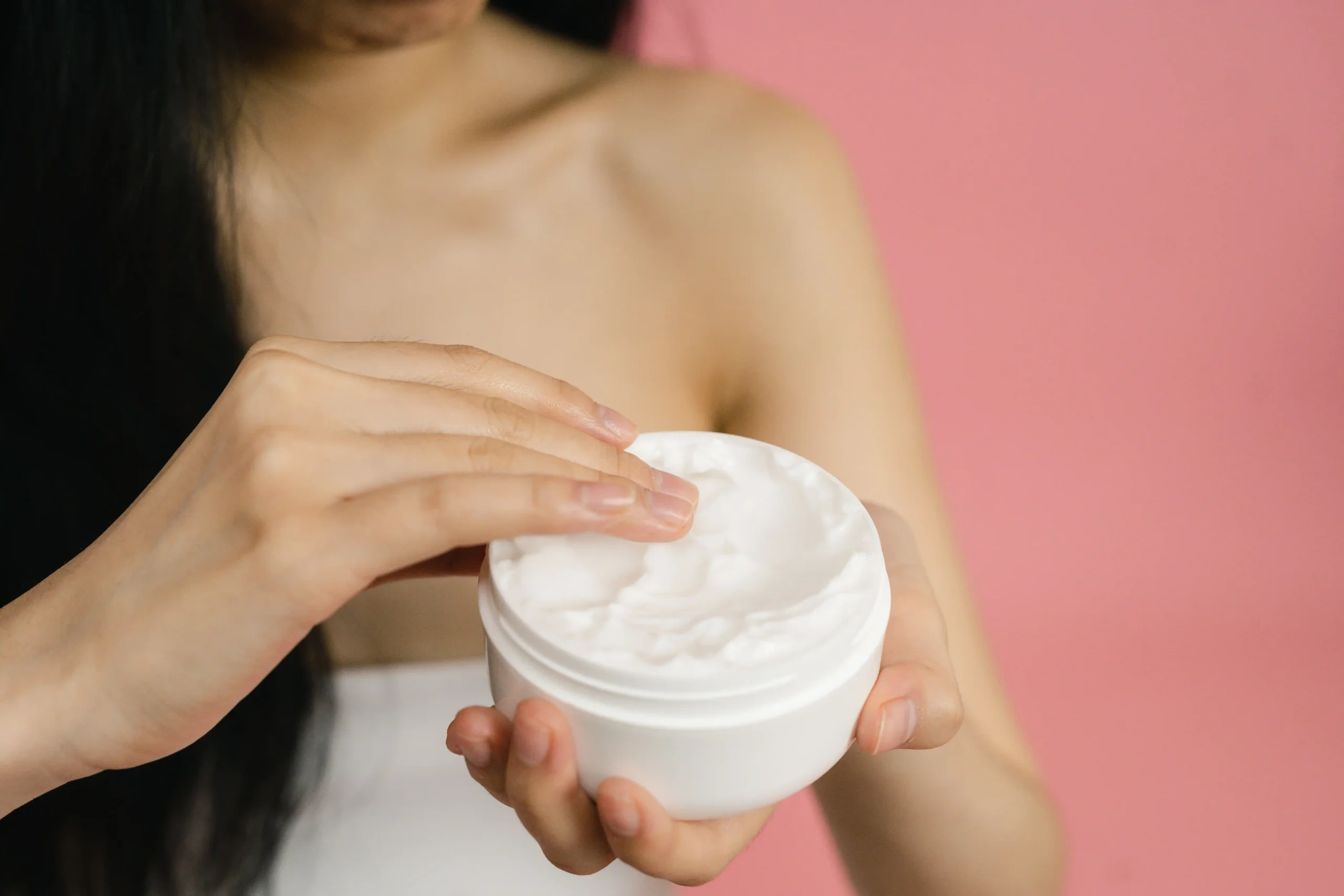
A good skincare routine is not just about using expensive serums, facial cleansers, or products that promise brighter and smoother skin. Sometimes, one of the most important steps is also one of the simplest: applying moisturizer. Whether you have dry, oily, combination, or sensitive skin, moisturizer can help maintain hydration, support the skin’s natural protective barrier, and keep your complexion feeling comfortable throughout the day. Although it is often overlooked, moisturizing plays an important role in maintaining healthy-looking skin.
Many people assume that moisturizer is only necessary for those with dry skin. Others skip it because they worry that it will make their face greasy, contribute to clogged pores, or interfere with other skincare products. However, the right moisturizer can benefit a wide range of skin types when it is chosen according to individual needs. Even oily skin can experience dehydration, while environmental factors such as air conditioning, sun exposure, wind, and frequent cleansing can contribute to moisture loss.
Understanding why moisturizer is essential in your skincare routine can help you make better choices about the products you use every day. Rather than treating moisturizer as an optional final step, it is worth understanding how it works, what benefits it offers, and how to select a formula that suits your skin. With consistent use and appropriate skincare habits, moisturizer can help create a more comfortable, balanced, and healthy-looking complexion.
What Is Moisturizer and How Does It Work?
Moisturizer is a skincare product designed to help maintain the skin’s water content, reduce moisture loss, and improve the way the skin feels and looks. It comes in different forms, including lightweight gels, lotions, creams, and ointments. Each formulation offers a different balance of water, oils, and other ingredients, allowing people to choose products according to their skin type and preferences.
Moisturizers commonly contain three types of ingredients: humectants, emollients, and occlusives. Humectants, such as glycerin and hyaluronic acid, attract and hold water within the outer layers of the skin. Emollients help soften the skin by filling spaces between skin cells, improving smoothness and flexibility. Occlusives, including petrolatum and certain oils, form a protective layer that helps reduce water loss from the skin’s surface.
Many moisturizers combine these ingredients to provide multiple benefits at once. For example, a lightweight facial lotion may contain humectants to attract water and emollients to improve softness. A richer cream may contain additional occlusive ingredients to help protect skin that is particularly dry.
The exact benefits depend on the product’s formulation. Not every moisturizer contains the same ingredients, and a product that works well for one person may not suit another. Choosing a moisturizer based on your skin’s needs is more useful than assuming that the most expensive product or the one with the most ingredients will automatically be the best.
1. Moisturizer Helps Keep Your Skin Hydrated
One of the primary benefits of moisturizer is its ability to help maintain skin hydration. When the outer layer of the skin loses too much water, the complexion may feel tight, rough, or uncomfortable. Some people may also notice flaking or a dull appearance, especially after washing their face or spending time in a dry environment.
Regular moisturizing helps reduce these problems by supporting the skin’s ability to retain water. Ingredients such as glycerin and hyaluronic acid attract moisture, while emollients and occlusives help maintain a smoother surface and reduce water loss.
Well-hydrated skin often feels softer and appears more supple. Fine lines caused or emphasized by dryness may also become less noticeable when the skin has sufficient moisture. However, this effect is different from permanently removing wrinkles or reversing the natural aging process.
For the best results, apply moisturizer consistently as part of your daily skincare routine. Many people find it helpful to apply their moisturizer after cleansing, while the skin is still slightly damp, rather than waiting until the face feels completely dry. This can help support hydration, although the ideal method depends on the product and your skin’s needs.
2. It Supports the Skin’s Natural Protective Barrier
The skin barrier is the outermost layer of the skin. It helps keep moisture inside while providing protection against external irritants and environmental stressors. When this barrier is functioning well, the skin is generally better able to maintain hydration and tolerate everyday exposure to the environment.
However, the skin barrier can become compromised by several factors, including harsh cleansers, excessive exfoliation, unsuitable skincare products, cold weather, and frequent exposure to very hot water. When the barrier is disrupted, the skin may become dry, rough, sensitive, or more prone to irritation.
Moisturizer can help support the skin barrier by replenishing lipids, improving surface softness, and reducing moisture loss. Some formulations contain ceramides, which are lipids naturally found in the skin barrier. Other products include ingredients such as glycerin and petrolatum to help maintain hydration and protect the skin’s surface.
Supporting the skin barrier is especially important if you use active skincare ingredients, such as retinoids or exfoliating acids, that can cause dryness or irritation in some people. A suitable moisturizer can help improve comfort as your skin adjusts, although it does not eliminate the risk of irritation from these ingredients.
If your skin becomes persistently red, painful, cracked, or irritated, consider simplifying your routine and seeking professional advice when necessary. Moisturizer is an important part of skin care, but it cannot treat every skin condition on its own.
3. Moisturizer Helps Reduce Dryness, Flaking, and Tightness
Dry skin can make even a simple skincare routine uncomfortable. You may notice tightness after cleansing, rough patches around the cheeks, flaking near the nose, or a feeling that your skin needs extra care throughout the day.
Moisturizer helps address these concerns by adding hydration and reducing the amount of water that escapes from the skin. Emollient ingredients can soften rough areas, while occlusive ingredients help protect the surface from further moisture loss.
Choosing the right texture is important. If your skin is very dry, a richer cream may provide more lasting comfort than a lightweight gel. If your skin is only mildly dry or you dislike heavy products, a lotion may offer enough hydration without feeling greasy.
It is also important to consider the rest of your skincare routine. Washing your face too frequently, using overly harsh cleansers, or exfoliating too often can contribute to dryness. A moisturizer may help improve comfort, but reducing the source of irritation is equally important.
For people who experience occasional dryness, consistent moisturizing can make the skin feel smoother and more comfortable. The goal is not to make the skin feel oily but to help maintain a balanced level of hydration.
4. It Can Benefit Oily and Acne-Prone Skin Too
One of the most common skincare misconceptions is that people with oily skin should avoid moisturizer. This belief often comes from the concern that adding another product will make the face shinier or increase breakouts.
In reality, oily skin can still benefit from moisturizing. Oil production and skin hydration are not the same thing. Sebum is an oily substance produced by the sebaceous glands, while hydration refers to the water content of the skin. A person can have an oily complexion that still feels tight, dehydrated, or uncomfortable.
For oily or acne-prone skin, choosing the right formula is especially important. Lightweight gels, fluid lotions, and products labeled non-comedogenic may be useful starting points. Non-comedogenic means that a product is formulated or tested with the aim of reducing the likelihood of clogged pores, although no label can guarantee that a product will never cause a reaction or breakout.
Avoid assuming that all rich creams are unsuitable for oily skin or that every lightweight product is automatically safe for acne-prone skin. Ingredients and individual responses vary. Introduce new products gradually and pay attention to how your skin responds.
If you are using acne treatments that cause dryness, such as benzoyl peroxide or topical retinoids, a suitable moisturizer may help improve comfort. Persistent or severe acne may require guidance from a dermatologist rather than relying on moisturizer alone.
5. Moisturizer Helps Skin Feel Smoother and Look Healthier
Healthy-looking skin is not necessarily perfectly smooth or free from pores. Natural skin has texture, and its appearance changes depending on hydration, lighting, age, and environmental conditions. However, when the skin becomes excessively dry, its surface can appear rough or uneven.
Moisturizer can improve the appearance and feel of the skin by softening the outer layer and helping it retain water. Hydrated skin often looks more supple, and dry patches may become less noticeable. Makeup may also apply more evenly when the skin is adequately moisturized.
This is one reason moisturizer can be helpful before applying foundation or other complexion products. When dry areas are properly cared for, makeup is less likely to emphasize flaking or cling unevenly to rough patches. The key is to use an appropriate amount and allow the product to settle before applying makeup.
Although moisturizer can temporarily improve the appearance of dryness-related fine lines and roughness, it does not permanently change skin texture, erase deep wrinkles, or eliminate pores. Its main role is to support hydration and improve the skin’s surface condition.
With regular use, the right moisturizer can become a simple but valuable part of maintaining a comfortable, smooth-looking complexion.
6. It Helps Protect Skin From Everyday Environmental Stress
Your skin is exposed to environmental conditions throughout the day. Air conditioning, low humidity, wind, frequent washing, and temperature changes can all influence how much moisture the skin retains. Depending on the environment, these factors may leave the skin feeling dry or tight.
Moisturizer helps by supporting hydration and reducing water loss. Products containing occlusive ingredients can be particularly useful when environmental conditions contribute to dryness. A suitable moisturizer may also improve comfort when you spend long periods in air-conditioned rooms or frequently move between indoor and outdoor environments.
However, moisturizer should not be confused with sunscreen. Although some moisturizers contain sun protection, a regular moisturizer without adequate sun protection does not protect the skin against ultraviolet radiation. For daytime skin care, use a broad-spectrum sunscreen with SPF 30 or higher, following its directions for application and reapplication.
A practical morning routine may include a gentle cleanser, moisturizer, and sunscreen. At night, cleansing followed by moisturizer can help maintain hydration while you sleep. You can adjust the products according to your skin type, climate, and any specific skincare concerns.
The aim is to create a routine that supports your skin without overwhelming it with unnecessary steps.
7. Moisturizer Can Make Your Skincare Routine More Comfortable
A skincare routine does not need to include a large number of products to be effective. In many cases, a gentle cleanser, moisturizer, and sunscreen are useful foundations for everyday skin care.
Moisturizer can make your routine more comfortable by reducing the dry or tight feeling that sometimes follows cleansing. It can also complement other skincare products by helping maintain hydration while you use ingredients intended to address concerns such as uneven tone, acne, or signs of aging.
For example, some people use vitamin C products in the morning or retinoids at night. These ingredients serve different purposes, and not everyone needs them. If you choose to use active ingredients, introduce them carefully and follow their directions. Moisturizer may help reduce dryness associated with certain products, but it cannot guarantee that irritation will not occur.
Consistency is often more useful than constantly changing products. Give a new moisturizer time to demonstrate how it performs, provided it does not cause irritation or other unwanted reactions. If a product repeatedly causes burning, itching, or breakouts, stop using it and reassess whether it is suitable for your skin.
8. How to Choose the Right Moisturizer for Your Skin Type
Choosing the right moisturizer starts with understanding how your skin behaves. The best product is one that provides enough hydration without causing unnecessary discomfort or leaving a finish you dislike.
For dry skin, creams with ingredients such as ceramides, glycerin, and petrolatum may be useful because they can help improve hydration and reduce moisture loss. Look for a formula that feels comfortable and leaves your skin soft rather than tight.
For oily skin, lightweight gels and lotions may be more appealing. Ingredients such as glycerin and hyaluronic acid can help support hydration without necessarily creating a heavy feel. If you are prone to clogged pores, consider non-comedogenic products and monitor how your skin responds.
For combination skin, a medium-weight lotion may provide a useful balance. You can also adjust the amount you apply, using a little more on dry areas and less on areas that become oily. People with sensitive skin may prefer fragrance-free products with relatively simple formulations, although fragrance-free does not automatically mean that a product cannot cause irritation.
Normal skin can generally accommodate a range of moisturizer textures. Your choice can depend on the climate, the time of day, and whether you prefer a lightweight or richer finish.
Regardless of your skin type, avoid choosing products solely because they are popular online. A formula that works for someone else may not suit your needs. Read the product label, introduce new products gradually, and pay attention to how your skin feels after application.
9. When and How Often Should You Apply Moisturizer?
For many people, applying moisturizer twice daily is a practical starting point: once in the morning and once in the evening. However, the ideal frequency depends on your skin type, the product instructions, and your environment.
In the morning, apply moisturizer after cleansing and before sunscreen. If your cleanser leaves your skin feeling comfortable and your moisturizer is sufficiently hydrating, you may not need additional hydrating products. Allow the moisturizer to settle before applying sunscreen and makeup.
At night, apply moisturizer after cleansing and any other skincare products in your routine. If you use a prescribed treatment or active ingredient, follow its specific directions regarding application order and frequency.
Applying moisturizer while the skin is slightly damp can help support hydration. You do not need to leave your face dripping wet; a gently patted, slightly damp surface is enough. Use an amount that covers the skin comfortably without leaving a thick, uncomfortable layer.
If your skin becomes dry during the day, you may benefit from adjusting your morning routine or using a suitable moisturizer when needed. On the other hand, applying more product than necessary does not automatically produce better results.
10. Common Moisturizer Mistakes to Avoid
Even a good moisturizer may not deliver the results you expect if it is used incorrectly or does not suit your skin. One common mistake is choosing a product based only on its texture or popularity rather than considering its ingredients and intended use. A lightweight gel may feel pleasant but may not provide enough protection for very dry skin, while a heavy cream may feel uncomfortable on someone who prefers a lighter finish.
Another mistake is skipping moisturizer because your skin becomes oily. As discussed earlier, oil production does not eliminate the need for hydration. Instead of avoiding moisturizer altogether, experiment with lighter formulas that fit your skin’s needs.
Using harsh cleansers or exfoliating too frequently can also undermine your moisturizing routine. If your skin barrier becomes irritated, adding more skincare products may make the situation worse. Consider simplifying your routine and avoiding products that cause persistent discomfort.
Finally, do not expect moisturizer to solve every skincare concern. It can support hydration and improve the appearance of dryness, but it does not replace sunscreen, acne treatment, or medical care for persistent skin problems. Understanding what moisturizer can and cannot do helps you set realistic expectations.
Final Thoughts: Why Moisturizer Deserves a Place in Your Skincare Routine
Moisturizer is an important part of a balanced skincare routine because it helps maintain hydration, supports the skin’s protective barrier, reduces dryness, and keeps the skin feeling comfortable. Its benefits extend beyond dry skin, making it a useful option for people with oily, combination, normal, and sensitive skin when the right formula is selected.
The key is to choose a moisturizer that suits your skin type, apply it consistently, and pay attention to how your skin responds. Ingredients such as glycerin, ceramides, hyaluronic acid, and petrolatum can serve different moisturizing functions, so understanding a product’s formulation can help you make a more informed choice.
You do not need a complicated routine or an expensive product to care for your skin effectively. Start with gentle cleansing, an appropriate moisturizer, and daily sunscreen, then add other products only when they address a specific need.
Ultimately, the importance of moisturizer in skincare comes down to maintaining the skin’s natural balance and supporting its everyday protective functions. By making moisturizing a regular habit, you can help your skin feel softer, more comfortable, and better hydrated throughout the year.
Leave a Reply