
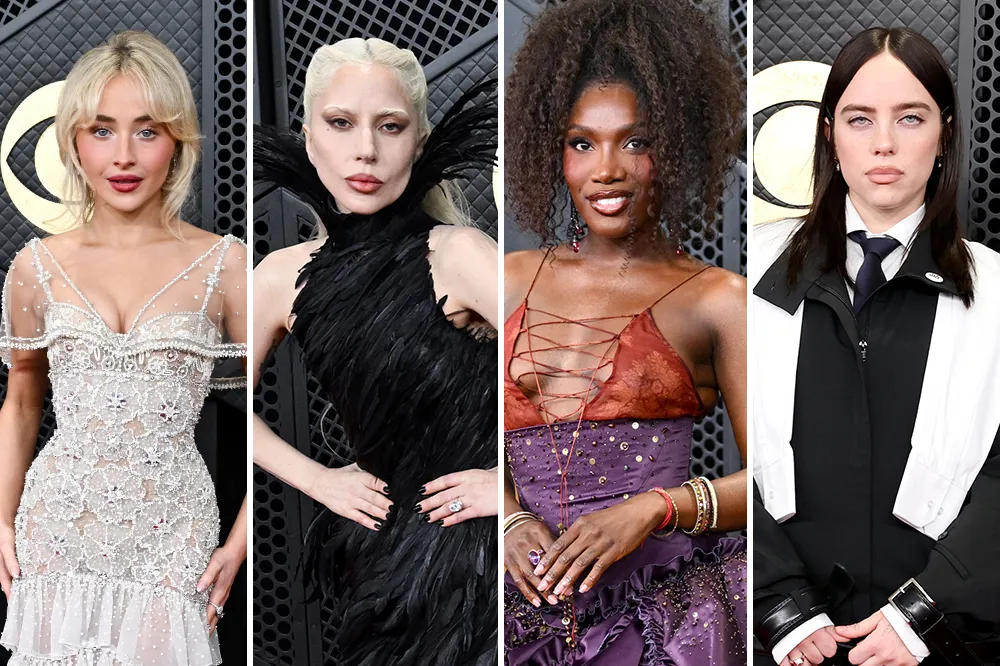
The Grammys have long been a stage where music, culture, and fashion collide in spectacular fashion. While the awards celebrate musical achievements, the red carpet often steals the spotlight with daring outfits, bold statements, and unforgettable style moments. This year was no exception, but the conversation around fashion at the Grammys has taken on a new dimension. Rather than following trends or playing it safe, many artists chose to express themselves through deeply personal and individualistic looks, sparking widespread discussion and admiration on social media.
In the days following the event, social feeds remain flooded with images and commentary about the iconic ensembles seen on the red carpet. Fans, critics, and fashion enthusiasts alike continue to analyze and celebrate the daring choices made by stars, proving that fashion’s impact at the Grammys goes far beyond the night itself. The outfits worn were more than just garments—they were expressions of identity, artistry, and personal narratives.
This year’s fashion moments reveal a clear shift from trend-following toward embracing individuality. Rather than conforming to a singular style dictated by designers or industry expectations, many attendees brought their unique voices to the forefront. Whether it was through custom designs that told personal stories, vintage pieces that carried nostalgic weight, or avant-garde looks that challenged norms, the Grammys became a platform for authentic self-expression.
Artists like Billie Eilish, known for her boundary-pushing style, took the opportunity to further evolve her image with outfits that combined boldness and intimacy. Her looks this year reflected a matured sense of self, blending comfort with striking silhouettes that defy easy categorization. Similarly, Lil Nas X continued to blur gender lines with his fashion choices, turning heads and sparking conversations about identity and representation.
The emphasis on personal statement also extended beyond clothing to accessories, makeup, and hairstyles. Many stars collaborated closely with their stylists and makeup artists to craft looks that felt genuinely “them.” This holistic approach to appearance underscores a broader cultural movement toward celebrating diversity and individuality in all its forms.
Social media played a crucial role in amplifying the impact of these fashion statements. Platforms like Instagram and TikTok buzzed with reactions, outfit breakdowns, and fan tributes well after the cameras stopped rolling. Influencers and fashion critics praised the boldness and creativity on display, noting how the Grammys have become a space where artists can freely explore and showcase their identities.
This trend toward personal statement fashion aligns with a growing cultural emphasis on authenticity and self-empowerment. In a world where so much of public life is curated and commercialized, the Grammys fashion provided a refreshing glimpse of genuine expression. It reminded audiences that style is a powerful form of communication, capable of telling stories, challenging norms, and celebrating individuality.
The shift also signals a change within the fashion industry itself. Designers and brands increasingly recognize the importance of creating pieces that allow wearers to feel seen and heard, rather than simply dressing them in the latest fad. Customization, sustainability, and inclusivity are becoming key considerations, reflecting the evolving desires of both artists and consumers.
Ultimately, this year’s Grammys fashion was about more than just looks—it was a statement about identity, freedom, and the power of personal storytelling. The conversations sparked by these outfits will continue to influence how we think about fashion, artistry, and self-expression in the months and years ahead.
In conclusion, the Grammys once again proved to be a cultural touchstone, not just for music but for fashion that resonates deeply. By prioritizing personal statements over trends, this year’s red carpet set a new standard for authenticity and creativity. It showed that true style isn’t about fitting in—it’s about standing out and owning your story.
Leave a Reply