
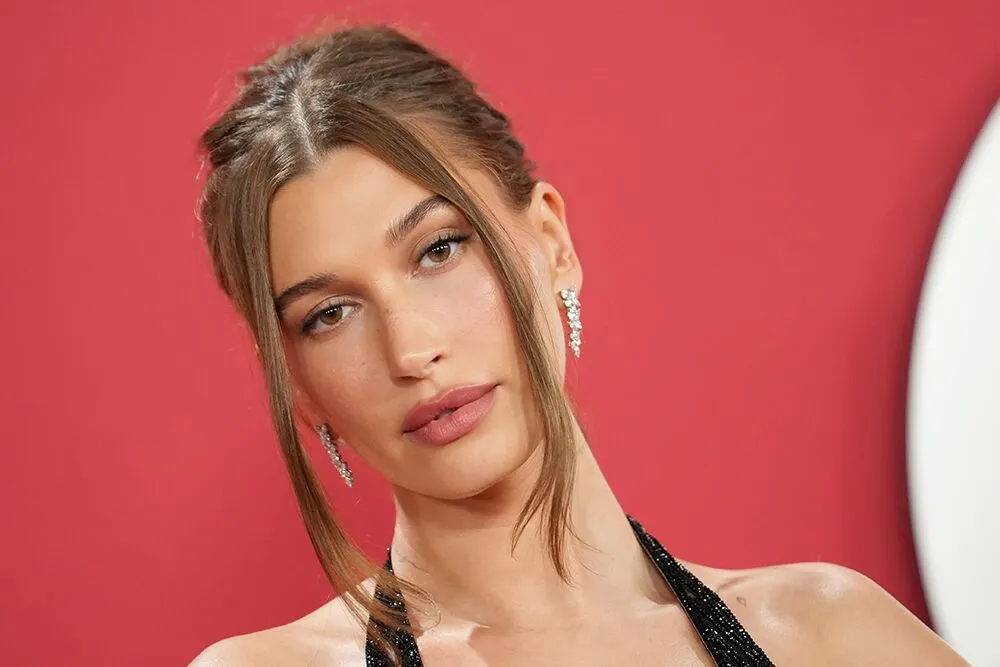
Beauty culture is evolving. For years, aspirational content dominated social media: flawless skin, intricate makeup tutorials, and perfectly styled hair that often felt unattainable. Today, that dynamic is shifting. Beauty content that feels real—relatable routines, practical tips, and authentic imperfections—is outperforming traditional aspirational posts in engagement and influence.
Audiences crave content they can apply in their own lives. Tutorials that feature quick five-minute skincare routines, everyday hairstyles, or makeup that enhances rather than transforms resonate far more than elaborate productions. On platforms like TikTok and Instagram, creators who showcase authenticity see higher watch times, shares, and interaction. Relatability builds trust.
The appeal of “real” beauty content also stems from cultural fatigue with perfection. Years of polished, flawless imagery have left many viewers feeling inadequate or disengaged. By contrast, content that acknowledges imperfections—dry patches, uneven brows, or low-energy days—creates a sense of solidarity. Audiences connect with creators who mirror their experiences rather than set impossible standards.
Brands are taking notice. Beauty companies now collaborate with influencers who share realistic approaches, featuring products in practical contexts rather than staged photo shoots. Tutorials, product demonstrations, and testimonials grounded in everyday life generate measurable loyalty and stronger emotional connections than purely aspirational campaigns.
There’s also a psychological aspect: seeing someone achieve results without extreme effort inspires confidence. Relatable routines suggest attainable goals. They normalize self-care without creating pressure, making beauty feel accessible rather than performative. This approach fosters sustained engagement rather than fleeting fascination.
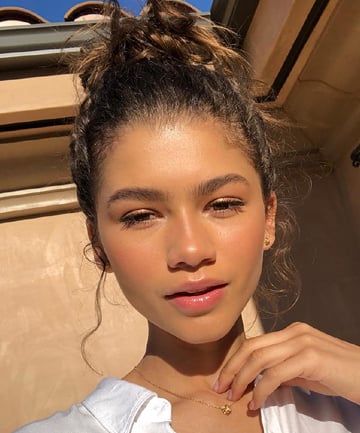
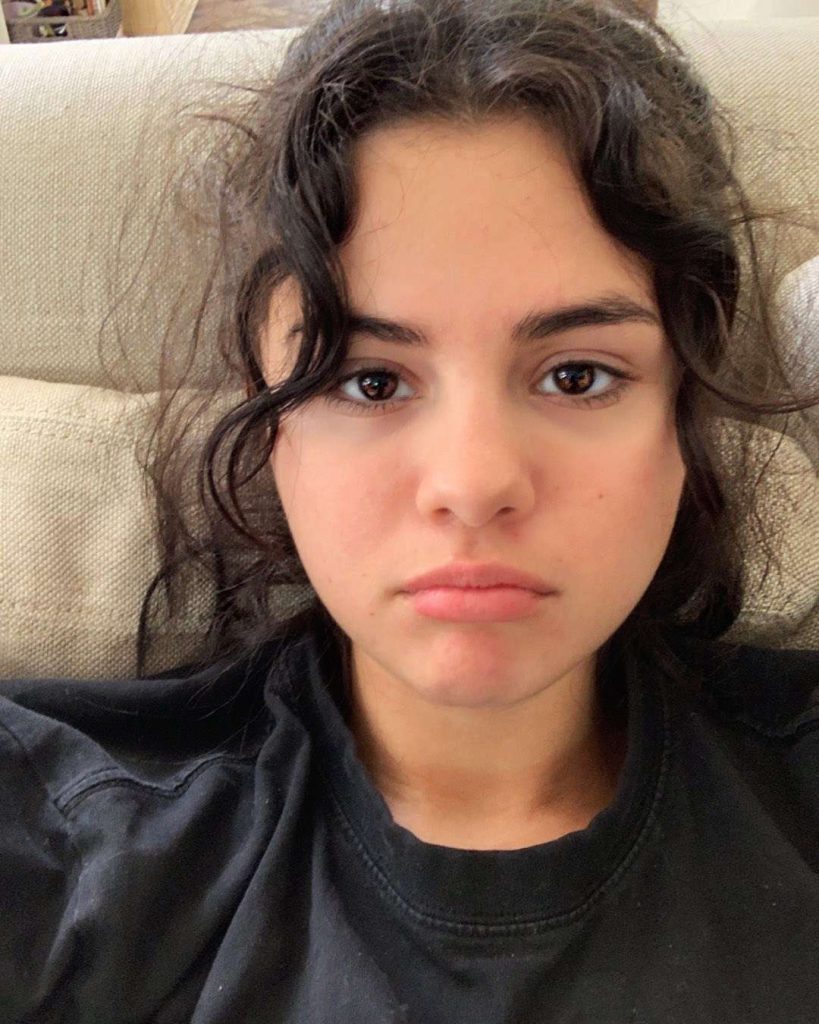
Even celebrity beauty posts are adapting. Stars like Zendaya, Selena Gomez, and Hailey Bieber increasingly share behind-the-scenes glimpses of routines, skin struggles, and casual looks. These posts spark conversation and admiration not because they’re perfect, but because they feel attainable and human.
Ultimately, “real” beauty content wins because it respects the audience’s time, energy, and expectations. It balances inspiration with practicality, creating a space where viewers feel included rather than excluded. In a digital landscape that once prized spectacle, authenticity has become the ultimate currency.
Leave a Reply