
For years, celebrity beauty was defined by excess—full glam, sculpted features, elaborate routines, and a kind of perfection that felt intentionally unattainable. But in 2026, the aesthetic has shifted in a noticeable way. Simplicity is no longer a fallback; it’s the aspiration. Across red carpets, social feeds, and brand campaigns, a quieter, more natural look is taking center stage.
This evolution didn’t happen overnight. It’s the result of overlapping cultural, technological, and economic changes that have slowly reshaped what audiences expect from beauty—and what celebrities are willing to present. Figures like Hailey Bieber and Zendaya have become shorthand for this shift, often appearing with dewy skin, minimal makeup, and styling that feels polished but not overworked. The message is subtle but clear: effort is still there, but it’s meant to look invisible.
One of the biggest drivers behind this trend is fatigue. The 2010s were dominated by highly structured beauty standards—heavy contouring, bold brows, full coverage foundation, and an almost theatrical level of precision. While that aesthetic was influential, it was also time-consuming and, for many people, unrealistic to maintain. Over time, audiences began gravitating toward looks that felt more achievable. The appeal of “low-maintenance” beauty isn’t just visual; it’s psychological. It suggests ease, confidence, and a life not entirely consumed by upkeep.
Social media has played a complicated role in this transition. Platforms like TikTok initially helped popularize high-effort beauty trends through tutorials and transformations. But as the content ecosystem matured, a counter-movement emerged. Users began sharing “get ready with me” videos that emphasized quick routines, skincare over makeup, and products that enhance rather than conceal. Celebrities, always attuned to shifts in audience behavior, followed suit.
There’s also a growing emphasis on skin itself. Rather than using makeup to create structure, the focus has moved toward achieving healthy, luminous skin that requires less coverage. This has blurred the line between skincare and cosmetics, with products designed to do both—tinted serums, lightweight foundations, and multipurpose balms. The end goal is not to look made-up, but to look well-rested and naturally radiant.
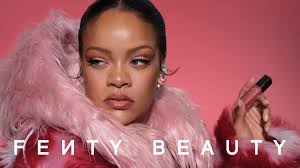
This shift is closely tied to the rise of celebrity beauty brands. When figures like Rihanna launched Fenty Beauty, the conversation initially centered around inclusivity and shade range. Now, the focus has expanded to include versatility and ease. Products are marketed not just for how they look, but for how they fit into everyday life. The emphasis is on routines that are efficient, adaptable, and aligned with a more relaxed aesthetic.
Economic factors are also influencing this movement. In times of financial uncertainty, consumers often gravitate toward products and routines that offer more value with less effort. A simplified beauty routine—fewer products, less time, more versatility—aligns with that mindset. Celebrities endorsing or embodying this approach reinforce its desirability, making it feel both aspirational and practical.
At the same time, the definition of “natural” beauty has evolved. It no longer means completely bare-faced or unstyled. Instead, it’s about creating the illusion of effortlessness. Subtle enhancements—like strategically placed concealer, a hint of blush, or a brushed-up brow—are still part of the look. The difference is that these elements are meant to blend seamlessly, rather than stand out. It’s a kind of curated minimalism, where every detail is considered but nothing feels overdone.
Another layer to this trend is the increasing transparency around cosmetic procedures and digital editing. As more celebrities openly discuss treatments or acknowledge the role of filters, audiences have become more aware of what goes into creating certain looks. This awareness has, in some cases, reduced the appeal of overly perfected appearances. A simpler aesthetic can feel more honest, even if it is still carefully constructed.
The influence of fashion is also worth noting. In recent seasons, designers have leaned toward clean lines, neutral palettes, and understated styling. Beauty trends often mirror these shifts, creating a cohesive visual language across industries. When clothing becomes more minimal, makeup and hair tend to follow, reinforcing the overall aesthetic.
There’s also a generational shift at play. Younger audiences tend to prioritize individuality and comfort over strict adherence to trends. They are less interested in replicating a single “ideal” look and more focused on adapting elements to suit their own preferences. This has pushed celebrities to adopt styles that feel more flexible and less prescriptive. A low-maintenance approach allows for variation, making it easier for fans to interpret and personalize.
Importantly, this movement doesn’t mean the end of bold or experimental beauty. Full glam, dramatic looks, and high-fashion aesthetics still have their place, particularly in editorial and performance contexts. What’s changed is the baseline. The everyday standard has moved toward simplicity, making more elaborate styles feel like a choice rather than an expectation.
The role of time cannot be ignored either. As celebrities balance increasingly complex careers—spanning film, music, business ventures, and social media—the practicality of their routines becomes more relevant. A streamlined beauty approach is not just a trend; it’s a necessity. When your schedule is packed, efficiency becomes part of the aesthetic.
There’s also an element of control in this shift. In an environment where so much of a celebrity’s image is scrutinized and dissected, presenting a simpler look can be a way of reclaiming narrative. It suggests a level of comfort with oneself that doesn’t rely on heavy transformation. That confidence, or the appearance of it, becomes part of the appeal.
In many ways, the move toward simpler beauty reflects a broader cultural desire for balance. After years of maximalism—in fashion, makeup, and even online personas—there’s a growing appreciation for restraint. This doesn’t mean less creativity; it means a different kind of creativity, one that values subtlety and nuance.
What makes this trend particularly enduring is its adaptability. A minimal routine can be adjusted for different contexts, expanded for special occasions, or pared down even further for everyday life. It’s not tied to a specific set of products or techniques, which makes it more sustainable over time.
Ultimately, the reason celebrity beauty is looking simpler in 2026 comes down to alignment. It aligns with how people live, how they consume content, and how they think about self-presentation. It bridges the gap between aspiration and reality, offering a version of beauty that feels both elevated and attainable.
And perhaps that’s the most significant change of all. Simplicity, once seen as a lack of effort, has become a signal of intention. It suggests that beauty doesn’t have to be loud to be impactful—and that sometimes, the most compelling look is the one that feels like it could belong to anyone, even if it’s being worn by a celebrity.
Leave a Reply