
For years, celebrity beauty felt distant—polished, aspirational, and often unattainable. Perfect lighting, luxury products, and teams of professionals created an image that was admired but rarely replicated. But that dynamic is shifting. Slowly, and almost quietly, celebrities are reshaping beauty culture in a way that feels more accessible, more personal, and surprisingly more realistic.
The change isn’t always announced. It doesn’t come with a major campaign or a headline-making reveal. Instead, it shows up in small, consistent ways—through interviews, social media glimpses, and off-duty appearances. And because of how closely audiences follow public figures today, those small shifts are having a big impact.
Take Hailey Bieber, for example. Her “glazed skin” aesthetic didn’t just become a trend—it redefined what everyday skincare goals look like. The focus moved away from heavy coverage and toward hydration, texture, and a natural glow. What once might have been considered an “in-between” look is now the finished product.
That kind of influence doesn’t stay online. It moves directly into real-life routines.
Consumers are increasingly adopting habits that prioritize skin health over heavy makeup. Instead of layering multiple products to achieve a flawless finish, there’s a growing emphasis on fewer steps, better ingredients, and consistency. This shift reflects a broader move toward sustainability—not just environmentally, but personally. People want routines they can maintain, not just replicate for special occasions.
Celebrities are reinforcing that mindset by being more open about what they actually do.
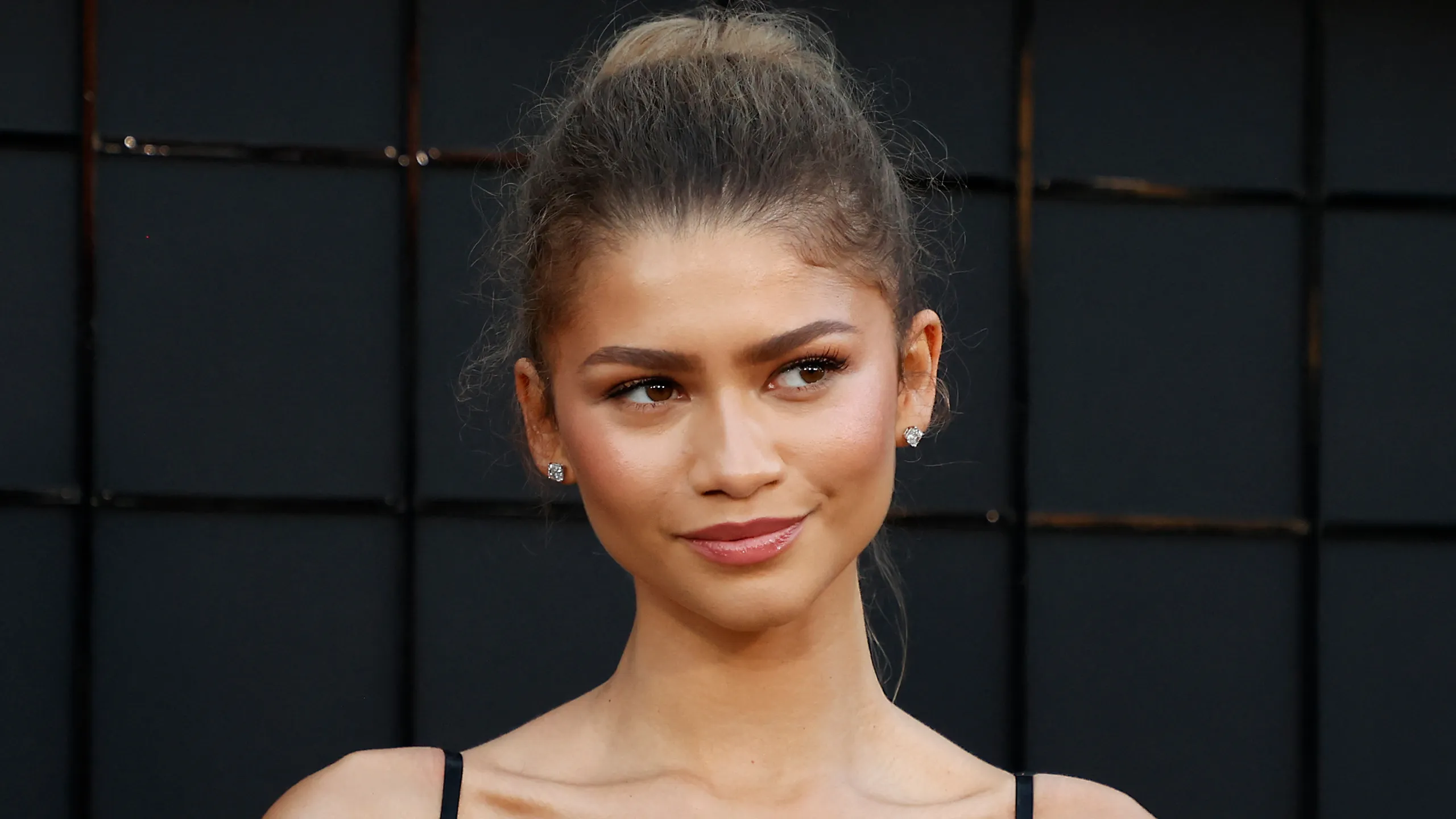
Figures like Zendaya have helped normalize a more relaxed approach to beauty. Whether she’s appearing makeup-free in candid moments or embracing versatile looks that move between high fashion and simplicity, she represents a balance that resonates with audiences. It’s not about rejecting glamour—it’s about expanding what counts as beautiful.
That expansion is key.
For a long time, beauty standards were narrow and rigid. There was a clear “ideal,” and most routines were built around trying to achieve it. Now, the influence of celebrities is helping to broaden those standards. Different skin types, tones, and textures are being highlighted more frequently, and the routines behind them are being shared more openly.
This transparency matters.
When celebrities talk about their skincare struggles, their trial-and-error processes, or the products that didn’t work for them, it humanizes the entire concept of beauty. It makes it feel less like a finished product and more like an ongoing process. That relatability is powerful, especially in a space that has historically been dominated by perfection.
Even someone like Rihanna has played a major role in shifting expectations—not just through her own routines, but through the way she’s built her beauty brand. By emphasizing inclusivity and real-world usability, she’s helped redefine what consumers expect from beauty products. It’s not just about how something looks in a campaign—it’s about how it performs in everyday life.
And that’s where the quiet normalization happens.
It’s not in the dramatic transformations or the red carpet reveals. It’s in the everyday habits that people start to adopt without even realizing it. Drinking more water for skin health. Wearing less foundation. Prioritizing sunscreen. Investing in skincare over makeup. These choices might seem small, but collectively, they represent a significant cultural shift.
Social media plays a huge role in accelerating this process.
Platforms like Instagram and TikTok have made beauty routines more visible than ever. Celebrities can share their morning routines, nighttime rituals, or quick touch-ups in a matter of seconds. Fans can watch, learn, and adapt those habits almost instantly. The barrier between “celebrity beauty” and “everyday beauty” has become thinner.
But what’s interesting is how subtle the messaging often is.
Unlike traditional advertising, which tells consumers exactly what to buy and why, these routines feel organic. A product appears in the background of a video. A step is mentioned casually in an interview. A look is posted without a detailed breakdown. And yet, those moments still influence behavior.
They feel authentic.
That authenticity is what makes them effective. People are more likely to adopt habits that feel natural and achievable, rather than ones that seem overly curated or performative. Celebrities who share imperfect, evolving routines often have more influence than those who present a flawless image.
There’s also a growing emphasis on longevity.
Instead of quick fixes or dramatic results, many celebrity routines focus on long-term care. This includes consistent skincare, minimal but effective treatments, and a holistic approach that connects beauty with overall wellness. Sleep, diet, and stress management are increasingly part of the conversation.
That broader perspective is reshaping how people think about beauty.
It’s no longer just about appearance—it’s about maintenance, health, and feeling comfortable in your own skin. Celebrities who emphasize these aspects are helping to normalize a more balanced approach, one that feels sustainable rather than extreme.
At the same time, there’s a noticeable shift toward individuality.
While trends still exist, there’s less pressure to follow them exactly. Instead, people are encouraged to adapt routines to their own needs. Celebrities contribute to this by showcasing a range of approaches rather than a single standard. One might focus on minimalist skincare, while another embraces bold makeup. Both are valid, and both can coexist.
This diversity of approach is important.
It allows consumers to experiment, to find what works for them, and to build routines that reflect their personal preferences rather than external expectations. It also reduces the sense of comparison that often comes with beauty culture.
Of course, it’s worth acknowledging that celebrity influence is still tied to privilege. Access to high-quality products, professional advice, and time for self-care isn’t universal. But the normalization of simpler, more practical habits helps bridge that gap, at least to some extent.
It makes beauty feel more approachable.
And that approachability is shaping the future of the industry.
Brands are responding by creating products that align with these new habits—lightweight formulas, multi-purpose items, and skincare-focused makeup. Marketing is shifting as well, with a greater emphasis on real-life usage and less on perfection. The line between skincare and makeup continues to blur, reflecting the priorities of a more informed and intentional audience.
All of this traces back to the influence of celebrities—not through grand statements, but through consistent, visible behavior.
They’re not just setting trends anymore. They’re normalizing habits.
And those habits are changing how people think about beauty on a daily basis.
What used to feel exclusive now feels accessible. What used to feel rigid now feels flexible. And what used to feel like a performance now feels, at least in part, like a routine anyone can adapt.
That quiet shift may not always dominate headlines, but its impact is lasting.
Because when beauty becomes something you can actually live with—not just look at—it stops being aspirational and starts becoming personal.
Leave a Reply