
In a world increasingly saturated with rapid consumption, seasonal micro-trends, and the relentless churn of disposable fashion, the concept of a “classic” piece offers an anchor of stability, a testament to quality, and a beacon of true style. This remarkable resilience isn’t accidental; it is the direct result of superior design, uncompromising craftsmanship, inherent versatility, and an almost mythical ability to resonate with successive generations. The profound appreciation for such enduring quality and understated luxury is deeply embedded within the ethos of the old money market, the discerning elite, and genuine fashion connoisseurs. They inherently recognize that true value resides not in ephemeral novelty, but in longevity, timeless design, meticulous construction, and a sophisticated elegance that whispers rather than shouts.
So, let’s meticulously trace the captivating trajectories of some of fashion’s most iconic classics, delving into their origins, cultural impact, psychological appeal, and uncovering precisely how they continue to define, shape, and indeed, elevate modern elegance across diverse contexts.
I. Defining “Classic”: More Than Just Old
Before we delve into specific examples, it’s crucial to understand what truly constitutes a “classic” in fashion. It’s not merely a garment that has existed for a long time. A true classic possesses several defining characteristics:
- Timeless Design: Its aesthetic appeal transcends specific eras or fleeting fads. It remains relevant.
- Versatility: It can be dressed up or down, adapted for various occasions, and seamlessly integrated into diverse personal styles.
- Universal Appeal: It flatters a wide range of body types and demographics.
- Quality and Durability: It’s often made with superior materials and construction, designed to last.
- Cultural Impact: It has left an indelible mark on fashion history and popular culture, often associated with iconic figures or moments.
- Functional Excellence: Beyond aesthetics, it often serves a practical purpose with inherent utility.
II. Iconography of Enduring Style: Historical Case Studies in Depth
Let’s dissect some of the most prominent and influential classic garments that continue to shape our contemporary wardrobes.
A. The Trench Coat: From Battlefield to Boulevard The trench coat’s origin story is fascinating. Born from military necessity during World War I, it was developed by Burberry and Aquascutum to offer a durable, waterproof, and practical alternative to heavy greatcoats for British and French officers in the trenches. Its key design elements—the gabardine fabric (pioneered by Burberry for its water-repellency), shoulder epaulets (for rank insignia), D-rings (for attaching equipment), storm flaps (to shed rain), and a belted waist—were all highly functional. Post-war, discharged officers brought the trench coat into civilian life, appreciating its practicality and distinctive style. It quickly transitioned from a military utility item to a sophisticated civilian outerwear staple. Its cinematic popularity soared with appearances on screen by Humphrey Bogart in Casablanca (1942) and Audrey Hepburn in Breakfast at Tiffany’s (1961), cementing its image as a garment of mystery, romance, and effortless cool. Today, the trench coat remains an indispensable piece for transitional weather, providing a sophisticated layer that adds instant polish to any outfit, from business attire to casual weekend wear. Its enduring appeal lies in its perfect blend of utility and elegance, adapting to countless styling interpretations. A well-made classic trench coat remains a hallmark of a discerning wardrobe.
B. The Little Black Dress (LBD): Chanel’s Vision and Beyond Perhaps no single garment has achieved the universal reverence of the Little Black Dress. Conceived by Gabrielle “Coco” Chanel in the 1920s, the LBD was a revolutionary departure from the elaborate, restrictive fashions of the era. Chanel envisioned a simple, elegant, and versatile garment accessible to women across social strata – a democratic uniform of sophistication. Vogue magazine famously published an illustration of Chanel’s LBD in 1926, likening it to the Ford Model T, predicting it would become “a sort of uniform for all women of taste.” The LBD defied convention by celebrating simplicity, focusing on cut and fabric rather than ornamentation. Its power lay in its ability to be a blank canvas, adaptable to any occasion merely by changing accessories. Its versatility exploded onto the scene, offering women freedom and modernity. Iconic moments, such as Audrey Hepburn’s Givenchy LBD in Breakfast at Tiffany’s, solidified its place in fashion history as the epitome of understated glamour, chic practicality, and enduring elegance. Today, the LBD remains the ultimate symbol of essential elegance. Every discerning wardrobe benefits from at least one versatile little black dress, capable of transitioning from a professional event to an evening soirée with ease. Its power lies in its quiet confidence.
C. The Tailored Suit: A Symbol of Power and Precision The tailored suit, in its various incarnations, has been a cornerstone of formal and business attire for centuries. Evolving from the leisure wear of 17th-century European aristocracy, it solidified into the modern three-piece suit in the 19th century as a symbol of gentlemanly respectability and business acumen. For men, the suit represents professionalism, authority, and refined taste. Its evolution has seen various silhouettes – from the broad shoulders of the 1940s to the slim cuts of the 1960s and 2000s, and the power suits of the 1980s. Each era reinterpreted the suit to reflect prevailing social and business attitudes, yet its core remains a well-cut jacket and trousers. Investing in a high-quality tailored suit remains a fundamental requirement for any sophisticated man’s wardrobe. For women, the tailored suit gained prominence in the early 20th century as a symbol of female empowerment and entry into the professional sphere, famously championed by designers like Coco Chanel and later reinvented by Yves Saint Laurent with his “Le Smoking” tuxedo suit. The “power suit” of the 1980s became synonymous with women breaking glass ceilings. Today, the women’s suit continues to evolve, embracing more relaxed fits, diverse fabrics, and separates that offer both gravitas and versatility.
D. The White Shirt: From Undergarment to Universal Staple Historically, the white shirt was an undergarment, a sign of hygiene and status (as only the wealthy could afford to keep them clean). Over centuries, it emerged as a standalone garment, becoming a fundamental component of men’s formal and business wear. Its crispness, simplicity, and inherent elegance made it indispensable. In the 20th century, the white shirt became a versatile staple for women too, symbolizing professionalism, chic minimalism, and effortless cool. From Katharine Hepburn’s menswear-inspired looks to Carolina Herrera’s iconic white shirts, its versatility is unmatched. A classic white button-down can be dressed up with a skirt and heels or down with jeans and sneakers. It’s the ultimate chameleon. Every wardrobe benefits from a collection of crisp white button-down shirts in various fabrics and fits.
E. Denim Jeans: From Workwear to Global Icon Perhaps the most democratic of all classics, denim jeans began as durable workwear for miners and laborers in the American West during the Gold Rush. Patented by Levi Strauss and Jacob Davis in 1873, their robust construction made them ideal for demanding physical work. Over time, jeans shed their purely utilitarian image. In the 1950s, they became a symbol of rebellion and youth culture, popularized by figures like James Dean and Marlon Brando. By the 1960s and 70s, they were embraced by counter-culture movements and later by designers, transforming into a global fashion phenomenon. Today, jeans exist in countless cuts, washes, and styles, from raw selvedge denim to distressed skinny jeans. Despite their many iterations, the classic blue jean remains a versatile and universally beloved item, effortlessly bridging casual and smart casual attire. A high-quality pair of dark wash, straight-leg jeans is a timeless investment.
F. The Leather Jacket: Rebellion and Beyond From utilitarian outerwear for motorcyclists and aviators, the leather jacket exploded into popular culture as a symbol of rebellion and cool. Marlon Brando in The Wild One (1953) and James Dean in Rebel Without a Cause (1955) cemented its iconic status. Later, punk and rock musicians adopted it, further enhancing its edgy appeal. Today, the leather jacket is a versatile outerwear piece that adds instant edge and sophistication. From the classic biker jacket to refined bomber styles, it offers a timeless cool that transcends gender and age.
III. The Psychology of Enduring Style: Why Do Certain Items Last?
The persistence of these classics isn’t merely coincidental; it’s rooted in deeper psychological and societal factors:
- Comfort and Familiarity: There’s a natural human inclination towards comfort and familiarity. Classics provide a sense of reliability and ease.
- Timelessness and Investment: Investing in a classic piece feels like a smart decision, not a fleeting expense. This aligns with a desire for longevity and value.
- Nostalgia and Heritage: Classics often carry a sense of history, nostalgia, and a connection to past icons or eras, adding a layer of emotional resonance.
- Aspirational Value: Many classics are associated with elegance, sophistication, and success, making them aspirational objects.
- Ease of Styling: Their versatility reduces decision fatigue and allows for effortless coordination.
IV. Craftsmanship and Quality: The Indispensable Backbone of Longevity
The ability of a classic piece to endure is directly tied to its inherent quality. This is where the philosophy of the old money market and elite connoisseurs truly shines. They understand that value is built into the fabric and the stitches.
- Superior Materials: Natural fibers like robust wool, fine cashmere, breathable linen, and luxurious silk are not only aesthetically pleasing but also durable and long-lasting when properly cared for. These materials often age gracefully, developing a rich patina over time.
- Meticulous Construction: From reinforced seams to precise tailoring, the way a garment is constructed dictates its lifespan. Hand-finishing, proper lining, and attention to detail are hallmarks of quality that ensure a piece can withstand years of wear.
- Investment Pieces: A “classic” is inherently an investment piece. While the initial cost may be higher, the “cost per wear” dramatically decreases over time, making it a more economical and sustainable choice than frequently replacing cheaper, trend-driven items.
V. Adapting Classics for Contemporary Style: The Art of Reinvention
The true brilliance of classic styles lies in their remarkable adaptability. They serve as robust foundational elements upon which contemporary trends can be built, reinterpreted, and personalized.
- Styling Tricks: Mixing Old and New: One of the most effective ways to update a classic is to pair it with a modern piece. A vintage trench coat can look incredibly chic over a contemporary slip dress and sneakers. A tailored suit jacket can be worn with modern joggers for a high-low aesthetic. This dialogue between past and present is what keeps fashion vibrant and compelling.
- Accessorizing Classics: Accessories are crucial for personalizing and updating classic garments. A classic white shirt can be transformed with a bold statement necklace or a vibrant patterned scarf. A simple LBD becomes instantly current with a new handbag silhouette or modern footwear.
- The Role of Proportion and Fit: While the fundamental design remains, contemporary classics often feature updated proportions and fits. A classic blazer might now have a slightly oversized or more relaxed cut, reflecting current preferences while retaining its inherent structure. Expert tailoring can always adjust a classic to feel perfectly modern.
VI. The Bespoke Connection: Perpetuating Classic Elegance
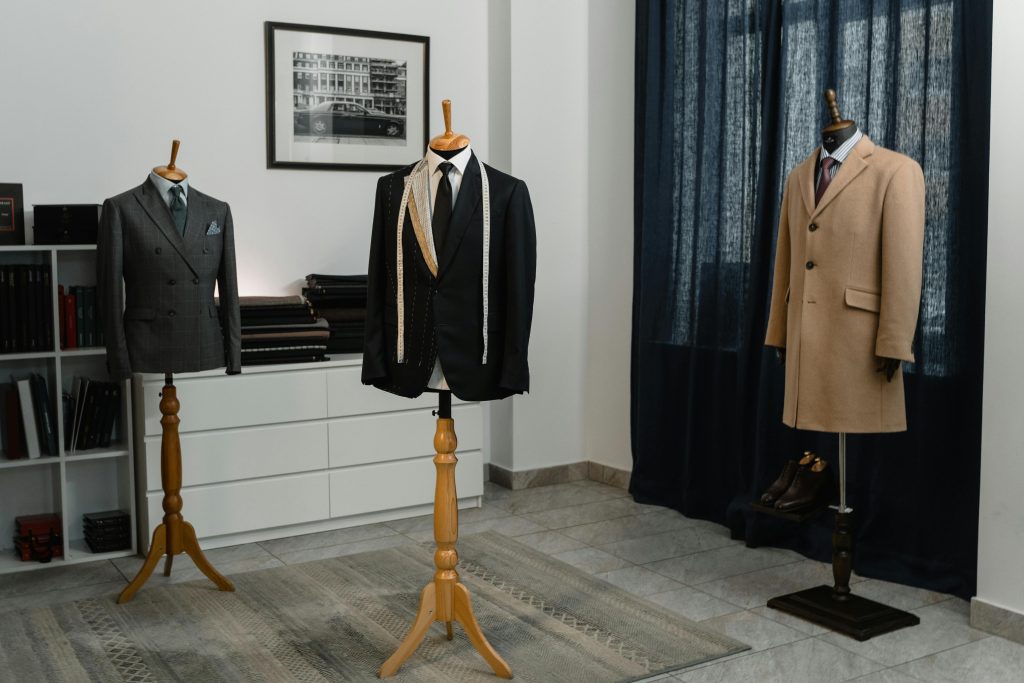
For those who demand ultimate precision, unparalleled quality, and a truly unique expression of classic elegance, the enduring appeal of bespoke fashion offers the perfect solution. It is within the realm of custom-made garments that the spirit of classic elegance is meticulously crafted into pieces that are uniquely yours, destined to become cherished future heirlooms. This is not just about fit, but about the translation of a vision into tangible, wearable art.For elite fashion connoisseurs and the old money market seeking bespoke and high-end fashion products that seamlessly blend timeless design with exceptional artistry, an exploration of hausvonnobel.com is not merely recommended, but is an absolute imperative. Their unwavering commitment to superior craftsmanship, exquisite materials, and personalized attention ensures that every creation is a testament to enduring elegance and individual distinction.
VII. Sustainability Through Longevity: The Unsung Hero of Classics
In an increasingly environmentally conscious world, investing in classic styles is inherently a sustainable choice. Fast fashion’s massive environmental footprint is a stark contrast to the longevity offered by high-quality, timeless pieces. By choosing items designed to last, you reduce textile waste, conserve resources, and lessen the demand for constant new production. This thoughtful approach aligns perfectly with a holistic understanding of responsible luxury. Even small details, like using a high-quality garment steamer to maintain your clothes, contribute to their longevity. For timeless elegance that extends to your personal care, consider investing in luxury natural skincare products that embody quality and sustainability.
VIII. Cultivating Your Own Classic Wardrobe: Practical Advice
- Identify Your Core Classics: What are the essential, versatile items that resonate with your personal style? Start there.
- Prioritize Quality: Save up for fewer, better-made items rather than accumulating many disposable pieces.
- Master the Art of Tailoring: Even off-the-rack classics can look bespoke with minor alterations.
- Curate, Don’t Accumulate: Think of your wardrobe as a carefully curated collection, not a storage unit.
- Learn Proper Care: Understand how to care for your quality garments to maximize their lifespan.
The bottom line? True elegance doesn’t chase trends; it cultivates them by drawing from a deep well of enduring design. By understanding, investing in, and artfully reinterpreting classic styles, you build a versatile, sustainable, and endlessly chic wardrobe that will serve you impeccably for years, even decades, to come. It’s a testament to the power of thoughtful consumption and the lasting beauty of true craftsmanship.
Leave a Reply