
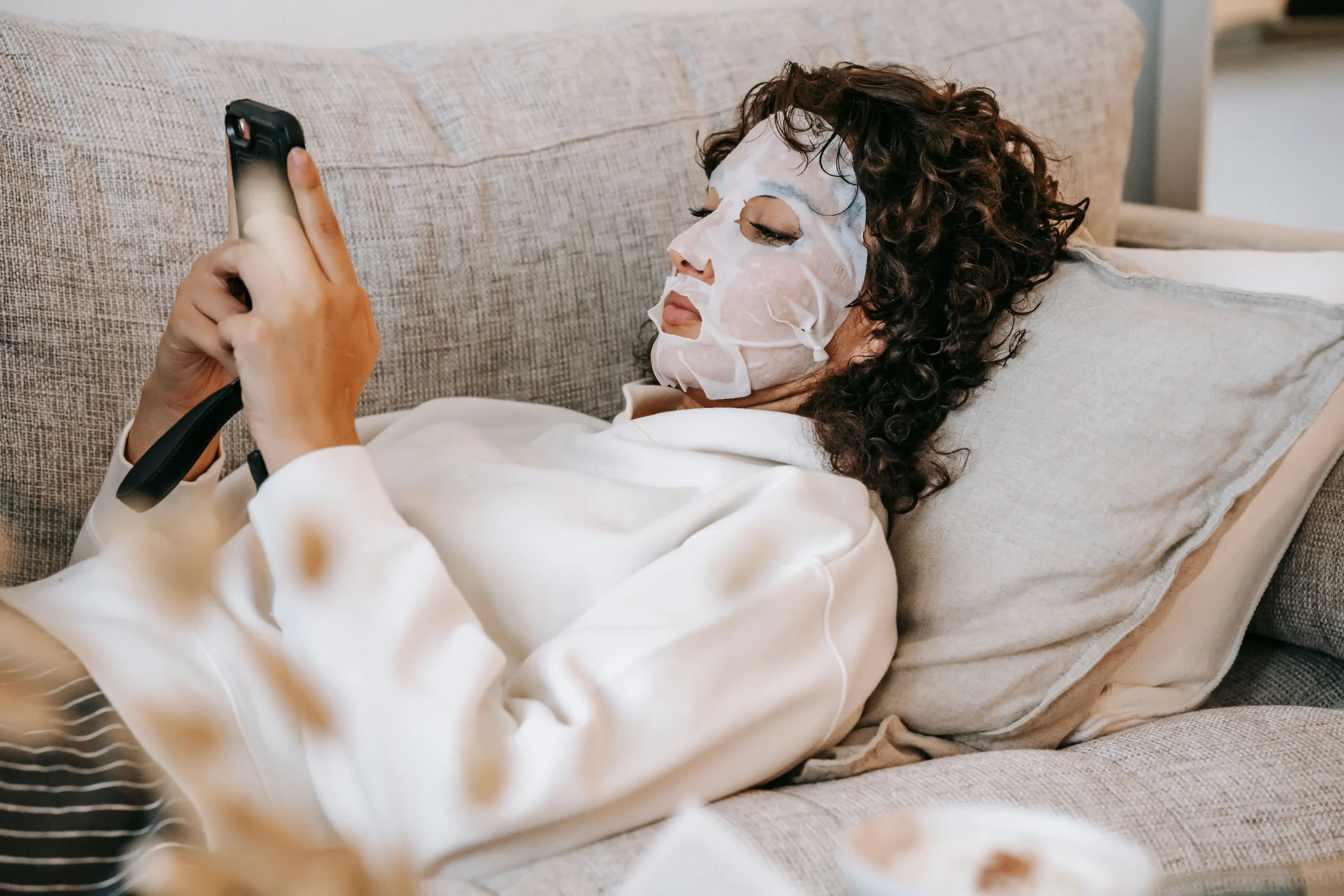
Stress has become an unavoidable part of modern life. Whether it stems from demanding careers, family responsibilities, financial concerns, or unexpected life events, nearly every woman experiences periods of heightened stress. While most people recognize how stress affects mental and emotional health, its impact on the skin is often underestimated. The skin is the body’s largest organ, and it reflects what is happening internally. When stress levels rise, the skin frequently becomes one of the first places where those effects become visible.
Many women notice sudden acne breakouts before an important presentation, dull skin after weeks of poor sleep, or increased sensitivity during emotionally challenging periods. These changes are not simply coincidental. Scientific research has shown that prolonged stress can disrupt hormonal balance, weaken the skin’s protective barrier, increase inflammation, and accelerate visible signs of aging. As a result, maintaining a consistent skincare routine becomes even more important during stressful times.
Skincare is often misunderstood as a luxury or something reserved for cosmetic purposes. In reality, taking care of the skin is an essential part of overall health. Healthy skin serves as the body’s first line of defense against environmental pollutants, harmful microorganisms, and ultraviolet radiation. When stress compromises this protective barrier, proper skincare helps restore balance, reduce irritation, and support the skin’s natural healing process.
For women balancing multiple responsibilities, skincare also offers something equally valuable: a few moments of intentional self-care. Even a simple morning and evening routine can create a sense of consistency, encourage mindfulness, and contribute to emotional well-being. Rather than viewing skincare as another task on a busy schedule, it can become a meaningful daily ritual that benefits both the body and the mind.
This guide explores why skincare becomes even more important during periods of stress, how stress affects the skin at a biological level, and practical ways women can protect their skin while supporting their overall health.
Understanding the Connection Between Stress and Skin Health
The relationship between stress and skin health is more complex than many people realize. When the body experiences stress, it activates a biological response commonly known as the “fight or flight” reaction. During this process, the adrenal glands release stress hormones, particularly cortisol, which prepares the body to respond to perceived threats.
Although cortisol plays an essential role in short-term survival, consistently elevated levels can negatively affect multiple body systems, including the skin. High cortisol levels stimulate the sebaceous glands to produce more oil, increasing the likelihood of clogged pores and acne breakouts. At the same time, chronic stress can weaken the skin’s protective barrier, making it more vulnerable to irritation, dryness, redness, and environmental damage.
Stress also influences the body’s inflammatory response. Increased inflammation can worsen existing skin conditions such as eczema, psoriasis, rosacea, and dermatitis. Women who have previously managed these conditions successfully may suddenly experience flare-ups during particularly stressful periods.
Additionally, stress often disrupts healthy habits that support skin health. Lack of sleep, poor nutrition, dehydration, reduced physical activity, and neglecting skincare routines all contribute to a decline in skin appearance. These lifestyle factors combine with hormonal changes to create a cycle where stress damages the skin, and visible skin problems create even more emotional distress.
Understanding this connection empowers women to recognize that skincare is not merely about appearance. It is a proactive way to support the body’s natural healing mechanisms while minimizing the visible effects of stress.
Why Women May Experience Greater Skin Changes During Stress
Although stress affects everyone, women often face unique biological and social factors that influence skin health. Hormonal fluctuations throughout the menstrual cycle, pregnancy, postpartum recovery, and menopause naturally impact the skin. When chronic stress is added to these hormonal changes, skin concerns may become more pronounced.
Women frequently juggle multiple roles, balancing careers, caregiving responsibilities, household management, education, and personal relationships. These ongoing demands can lead to prolonged stress exposure, leaving little time for rest or self-care. Over time, this chronic stress contributes to increased inflammation, slower skin repair, and greater sensitivity.
Research has also shown that women are more likely to report stress-related skin conditions, including adult acne and sensitive skin. Emotional stress can trigger repetitive behaviors such as touching the face, picking at blemishes, or neglecting skincare altogether, further worsening skin health.
Moreover, societal expectations surrounding appearance often place additional pressure on women. Visible skin problems may affect confidence, self-esteem, and emotional well-being, creating another layer of stress. This cycle demonstrates why maintaining healthy skin is about much more than beauty—it contributes to emotional resilience and overall quality of life.
Common Skin Problems Triggered by Stress
One of the most common effects of stress is acne. Increased cortisol stimulates oil production, creating an environment where acne-causing bacteria thrive. Even women who rarely experience breakouts may develop pimples around the jawline, chin, or forehead during stressful periods.
Dryness is another frequent concern. While some women experience oily skin, others notice that their skin becomes dehydrated and flaky. Stress weakens the skin barrier, allowing moisture to escape more easily. As hydration decreases, the skin may feel tight, rough, or uncomfortable.
Sensitive skin is also common. Products that were once well tolerated may suddenly cause burning, itching, or redness. This increased sensitivity occurs because stress reduces the skin’s ability to protect itself against external irritants.
Dark circles and puffiness under the eyes often accompany chronic stress. Poor sleep quality reduces circulation and allows fluid to accumulate around the delicate eye area. These visible signs of fatigue can make women appear older and more exhausted than they actually feel.
Stress also contributes to premature aging. Elevated cortisol accelerates the breakdown of collagen and elastin, two proteins responsible for maintaining skin firmness and elasticity. As collagen production declines, fine lines and wrinkles may become more noticeable over time.
Women with chronic skin conditions such as eczema, psoriasis, rosacea, or dermatitis frequently experience flare-ups during emotionally difficult periods. Increased inflammation causes symptoms to become more severe, requiring extra care and consistent treatment.
Why a Consistent Skincare Routine Matters During Stress
When life becomes overwhelming, skincare is often one of the first routines people abandon. Ironically, this is when the skin needs support the most. A consistent skincare routine helps strengthen the skin barrier, maintain hydration, reduce inflammation, and protect against environmental damage.
Cleansing removes excess oil, sweat, dirt, pollution, and bacteria that accumulate throughout the day. Gentle cleansing helps prevent clogged pores without stripping away the skin’s natural protective oils.
Moisturizing is equally important. A quality moisturizer restores hydration, reinforces the skin barrier, and minimizes water loss. Well-hydrated skin appears smoother, healthier, and more resilient against daily stressors.
Daily sunscreen remains one of the most effective anti-aging products available. Stress may increase skin sensitivity to environmental damage, making protection against ultraviolet radiation even more essential. Consistent sunscreen use helps prevent premature aging, dark spots, and skin cancer while preserving the skin’s long-term health.
Perhaps most importantly, maintaining a skincare routine creates a small daily ritual of self-care. Spending just a few minutes focusing on personal well-being encourages mindfulness, reduces emotional tension, and reminds women that caring for themselves is just as important as caring for everyone else.
The Best Skincare Ingredients for Stressed Skin
Choosing the right skincare ingredients can make a significant difference when the skin is under stress. Rather than using harsh treatments or constantly switching products, women experiencing stress should focus on ingredients that repair the skin barrier, calm inflammation, and provide long-lasting hydration.
Hyaluronic acid is one of the most beneficial ingredients for stressed skin. It attracts and retains moisture, helping the skin remain plump, hydrated, and smooth. Because stress often weakens the skin barrier, maintaining proper hydration is essential for preventing dryness and irritation.
Ceramides are another important ingredient. These naturally occurring lipids help rebuild the skin’s protective barrier and reduce moisture loss. A healthy skin barrier protects against pollution, allergens, bacteria, and environmental irritants that can worsen sensitivity during stressful periods.
Niacinamide, a form of vitamin B3, is widely recognized for its versatility. It helps regulate oil production, minimize redness, improve uneven skin tone, strengthen the skin barrier, and reduce the appearance of enlarged pores. Women dealing with stress-related acne and irritation often benefit from incorporating niacinamide into their daily routine.
Vitamin C is a powerful antioxidant that protects the skin against environmental damage caused by free radicals. It also promotes collagen production, brightens dull skin, and helps fade dark spots left behind by acne. Since chronic stress may accelerate collagen breakdown, vitamin C can help maintain a healthier, more youthful complexion.
For women experiencing increased sensitivity, soothing ingredients such as aloe vera, oat extract, chamomile, green tea, and centella asiatica can calm redness and inflammation while supporting the skin’s natural healing process. These ingredients are particularly helpful after long workdays, emotional stress, or lack of sleep.
Retinol is another valuable skincare ingredient, especially for women concerned about premature aging. However, it should be introduced gradually because stressed skin can become more reactive. Starting with a lower concentration and using it only a few nights per week allows the skin to adjust while minimizing irritation.
Lifestyle Habits That Support Healthy Skin During Stress
Although skincare products play an important role, healthy skin begins with healthy habits. Daily lifestyle choices influence the body’s ability to recover from stress and repair damaged skin.
Quality sleep is one of the most effective beauty treatments available. During sleep, the body repairs damaged tissues, produces collagen, and restores hydration levels. Women who consistently sleep seven to nine hours each night often notice brighter, healthier-looking skin with fewer breakouts and reduced puffiness around the eyes.
Nutrition also plays a critical role. A balanced diet rich in fruits, vegetables, lean proteins, healthy fats, and whole grains provides essential vitamins, minerals, and antioxidants that support skin repair. Foods containing omega-3 fatty acids, including salmon, walnuts, flaxseeds, and chia seeds, help reduce inflammation throughout the body.
Hydration should never be overlooked. Drinking enough water throughout the day helps maintain skin elasticity and supports the body’s natural detoxification processes. While drinking water alone will not eliminate skin problems, proper hydration contributes to overall skin health and complements a consistent skincare routine.
Regular exercise provides benefits that extend far beyond physical fitness. Physical activity improves circulation, allowing oxygen and nutrients to reach skin cells more efficiently. Exercise also helps regulate stress hormones and encourages the release of endorphins, improving both mood and skin health.
Managing stress through healthy coping strategies is equally important. Meditation, deep breathing exercises, yoga, journaling, spending time outdoors, reading, listening to music, or simply taking breaks from technology can help reduce stress levels. Even dedicating fifteen minutes each day to relaxation can positively affect both mental health and skin appearance.
Why Skincare Is an Act of Self-Care, Not Vanity
For many years, skincare has been portrayed primarily as a beauty practice. However, this perspective overlooks its deeper purpose. Caring for the skin is an investment in physical health, emotional well-being, and self-respect.
Women often prioritize the needs of their families, careers, and communities before their own. As responsibilities increase, personal care routines are frequently viewed as optional rather than essential. Yet consistently neglecting self-care can contribute to burnout, fatigue, and declining physical health.
A skincare routine provides an opportunity to slow down, even if only for a few minutes each day. Washing the face, applying moisturizer, or gently massaging skincare products into the skin encourages mindfulness and creates a calming ritual. These small moments of consistency can offer emotional comfort during periods of uncertainty and stress.
Taking care of the skin also supports confidence. Healthy skin does not require perfection. Rather, it reflects the effort invested in maintaining overall wellness. Feeling comfortable in one’s own skin often improves self-esteem, reduces anxiety about appearance, and encourages positive social interactions.
Most importantly, skincare reminds women that they deserve care, attention, and kindness. Prioritizing personal well-being is not selfish; it is a necessary part of maintaining long-term physical and emotional health.
Building a Simple Skincare Routine for Busy Women
One of the biggest misconceptions about skincare is that it requires dozens of expensive products. In reality, an effective routine can be both simple and affordable.
A morning routine should begin with a gentle cleanser to remove overnight oil and impurities. Next, applying a vitamin C serum or niacinamide serum can provide antioxidant protection while improving overall skin tone. A lightweight moisturizer helps maintain hydration, followed by a broad-spectrum sunscreen with at least SPF 30 to protect against ultraviolet damage throughout the day.
In the evening, cleansing removes makeup, sunscreen, sweat, pollution, and excess oil accumulated during the day. Depending on individual skin needs, a treatment product containing retinol, hyaluronic acid, or calming ingredients may then be applied. Finishing with a nourishing moisturizer helps repair the skin barrier overnight while locking in hydration.
Consistency is far more valuable than complexity. Following a basic routine every day produces better long-term results than frequently changing products or using aggressive treatments. Women experiencing stress should focus on supporting the skin rather than overwhelming it with excessive exfoliation or multiple active ingredients.
The Long-Term Benefits of Prioritizing Skincare
Healthy skincare habits offer benefits that extend well beyond improving appearance. A strong skin barrier helps reduce sensitivity, prevent moisture loss, and defend against environmental damage. Consistent sun protection significantly lowers the risk of premature aging while reducing the likelihood of skin cancer.
Emotionally, skincare can become a valuable anchor during stressful periods. Daily routines provide structure, encourage mindfulness, and reinforce healthy self-care habits. Over time, these small moments contribute to improved confidence and emotional resilience.
Investing in skincare early also supports healthier aging. Protecting collagen, maintaining hydration, and reducing inflammation help preserve skin elasticity and minimize the development of fine lines and wrinkles. While aging is a natural process, healthy skincare habits allow women to age gracefully while maintaining healthy, vibrant skin.
Ultimately, skincare is not about chasing unrealistic beauty standards. It is about supporting one of the body’s most important organs while recognizing that physical health and mental well-being are deeply connected.
Conclusion
Stress is an unavoidable part of life, but its effects on the skin do not have to be permanent. Understanding how stress influences hormones, inflammation, hydration, and the skin’s protective barrier allows women to make informed decisions that support both their physical and emotional well-being.
A consistent skincare routine, combined with healthy lifestyle habits such as quality sleep, balanced nutrition, regular exercise, hydration, and stress management, creates a strong foundation for healthier skin. Even the simplest routine can strengthen the skin barrier, reduce irritation, and restore confidence during life’s most challenging moments.
More importantly, skincare should never be viewed solely as a cosmetic practice. It is a meaningful form of self-care that reminds women to prioritize their own health amid busy schedules and countless responsibilities. By caring for their skin, women are also caring for their overall wellness, building resilience from the inside out.
Healthy, glowing skin is not achieved through perfection. It is the result of consistent care, balanced habits, and recognizing that every woman deserves the time and attention needed to look after herself, especially during times of stress.
Leave a Reply