

Recognizing the pervasive nature of stress is the first step; actively learning to manage stress and cultivate mental wellness is the transformative journey. It’s not about eliminating stress entirely—an impossible feat—but about developing a robust toolkit of practical strategies for stress that allow us to respond to challenges with resilience, rather than being consumed by them. By taking proactive steps to nurture our minds and bodies, we can mitigate stress’s harmful effects, foster greater peace, and unlock a more fulfilling, balanced life.
This comprehensive guide will equip you with effective, actionable anxiety relief techniques and insights for boosting your emotional well-being. We’ll explore the signs of chronic stress, delve into both immediate and long-term strategies for management, and provide practical tips for integrating mindfulness, self-care, and healthy habits into your daily routine. Prepare to reclaim your inner calm, cultivate greater resilience, and truly stress less, live more.
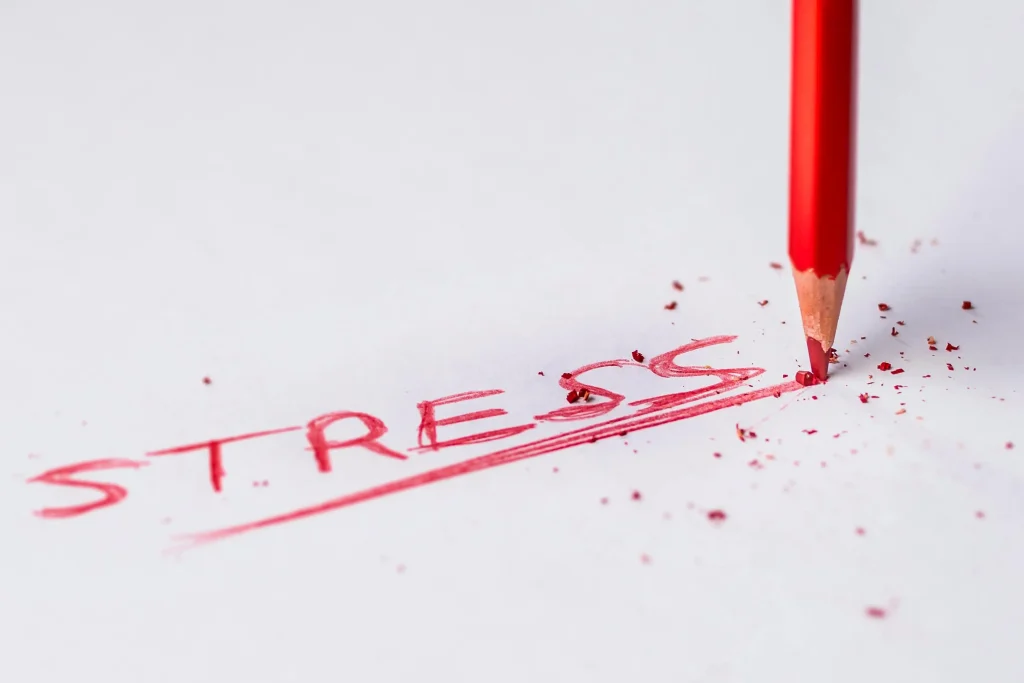
I. Understanding Stress: The Mind-Body Connection
Stress is your body’s natural response to perceived threats or demands. While essential for survival (the “fight or flight” response), prolonged activation of this system can be detrimental.
- Acute Stress: Short-term, immediate response to a new challenge (e.g., public speaking, tight deadline). It can be motivating and quickly subsides.
- Chronic Stress: Persistent stress that continues for an extended period. This is the type that erodes mental wellness and physical health.
Signs of Chronic Stress:
- Emotional: Irritability, anxiety, depression, mood swings, feeling overwhelmed, difficulty relaxing.
- Physical: Headaches, muscle tension, fatigue, digestive problems, changes in appetite, frequent illness, sleep disturbances.
- Cognitive: Difficulty concentrating, memory problems, negative thinking, indecisiveness.
- Behavioral: Social withdrawal, increased use of substances, procrastination, changes in sleep patterns.
Ignoring these signals can lead to burnout, chronic disease, and impaired quality of life. This highlights why managing stress is not a luxury, but a necessity.
II. Practical Strategies for Managing Stress: Immediate Relief & Long-Term Resilience
Building resilience against stress involves both immediate coping mechanisms and sustainable lifestyle changes.
A. Immediate Stress Relief Techniques (5-10 Minutes):
- Deep Breathing Exercises:
- Technique: Inhale slowly through your nose for a count of four, hold for a count of four, exhale slowly through your mouth for a count of six. Repeat 5-10 times.
- Benefit: Activates the parasympathetic nervous system (rest and digest), slowing heart rate and calming the body. A fundamental anxiety relief tool.
- Mindfulness Moment / 5-4-3-2-1 Sensory Grounding:
- Technique: Name 5 things you can see, 4 things you can feel, 3 things you can hear, 2 things you can smell, and 1 thing you can taste.
- Benefit: Pulls your focus to the present moment, diverting from anxious thoughts.
- Quick Movement / Stretch:
- Technique: Stand up, stretch your arms overhead, roll your shoulders, walk around the room. Do a few jumping jacks or push-ups.
- Benefit: Releases physical tension, increases blood flow, and offers a mental break.
- Practice Progressive Muscle Relaxation:
- Technique: Systematically tense and then relax different muscle groups in your body, starting from your toes and moving up to your head. Hold tension for 5 seconds, then release for 30 seconds.
- Benefit: Helps you recognize and release physical tension.
- Engage Your Senses (Calming Input):
- Technique: Listen to calming music, light an aromatherapy candle (lavender, chamomile), sip a warm cup of herbal tea, look at a calming image.
- Benefit: Direct sensory input can quickly soothe the nervous system.
B. Long-Term Strategies for Building Resilience and Boosting Mental Wellness:
- Prioritize Sleep: (As discussed in Article 17) Chronic sleep deprivation amplifies stress. Aim for 7-9 hours of quality sleep per night.
- Action: Establish a consistent sleep schedule and relaxing bedtime routine.
- Balanced Nutrition:
- Action: Fuel your body with whole, unprocessed foods. Limit caffeine, sugar, and processed foods, which can exacerbate anxiety and energy crashes. Stay hydrated.
- Regular Physical Activity: (As discussed in Article 18)
- Action: Engage in at least 30 minutes of moderate-intensity exercise most days of the week. Even short bursts of movement can reduce stress hormones and release endorphins.
- Mindfulness and Meditation:
- Action: Incorporate a daily meditation practice, even 5-10 minutes. Use guided meditations (apps like Calm, Headspace).
- Benefit: Trains your mind to observe thoughts and emotions without judgment, reducing reactivity to stress.
- Set Boundaries:
- Action: Learn to say “no” to commitments that overextend you. Protect your time and energy. Set boundaries with technology (digital detox strategies).
- Benefit: Prevents overwhelm and burnout.
- Practice Time Management:
- Action: Prioritize tasks, break large tasks into smaller steps, delegate when possible. Use planning tools (to-do lists, calendars).
- Benefit: Reduces the feeling of being overwhelmed and boosts productivity.
- Cultivate Strong Social Connections:
- Action: Spend quality time with supportive friends and family. Reach out when you need help or just a listening ear.
- Benefit: Social support is a powerful buffer against stress and isolation.
- Engage in Hobbies & Interests:
- Action: Make time for activities you genuinely enjoy and that allow you to express creativity or simply relax (e.g., reading, gardening, painting, playing music).
- Benefit: Provides mental breaks, fosters joy, and builds a sense of purpose.
- Practice Gratitude:
- Action: Keep a gratitude journal. Regularly note things you’re thankful for.
- Benefit: Shifts focus from what’s wrong to what’s right, fostering a more positive outlook.
- Limit Exposure to Stressors:
- Action: Evaluate news consumption, social media use, and relationships that consistently trigger stress. Reduce exposure where possible.
III. When to Seek Professional Help for Mental Wellness
While self-help strategies are powerful, sometimes professional support is necessary.
- If stress or anxiety significantly interferes with your daily life, relationships, or work.
- If you experience persistent feelings of hopelessness, despair, or depression.
- If you have panic attacks.
- If you are self-medicating with alcohol, drugs, or excessive eating.
- If self-help strategies aren’t providing adequate relief.
Don’t hesitate to reach out to a doctor, therapist, counselor, or mental health professional. They can provide personalized strategies, therapy (like Cognitive Behavioral Therapy for anxiety), or medication if needed. Seeking help is a sign of strength.
Conclusion
Therefore, it is essential that you embrace these tools not as fleeting suggestions, but as the core, controllable variables within the complex and dynamic equation of your life. By actively adjusting these inputs—such as mindfulness, resilience, and self-compassion—you can consciously begin to solve for a state of being that is more balanced, joyful, and deeply fulfilling. This is not a matter of chance; rather, it is the practical application of a reliable formula.
Indeed, this entire approach is only possible when you accept a fundamental truth about your own value. Your well-being is not some optional coefficient or a luxury to be added in later if external conditions are favorable. On the contrary, it is the foundational axiom—the primary, self-evident starting point from which the entire elegant theorem of a rich and meaningful life must be derived. Without this axiom held as a constant, all other life calculations and endeavors will ultimately falter upon an unstable base.
Hence, with this powerful framework in mind, you are invited to begin your own personal proof today. There is no complex prerequisite for starting other than your own clear intention. This isn’t a theoretical proof to be written on paper, but one that is demonstrated through the process of living, where each small, intentional action serves as a concrete step in a logical and heartfelt deduction.
As a result of this process, by taking that first deliberate step, you will begin to solve for the greatest unknown: the true potential of your own inner peace. You will discover the profoundly liberating power that comes from a mind unburdened by the constant noise of stress and anxiety. Ultimately, the beautiful, integrated sum of these consistent efforts is a newfound and profound capacity to not just witness the world around you, but to fully engage with and genuinely appreciate the intricate, vibrant calculus of daily existence.
It is crucial to embrace these tools not just as abstract concepts, but as your tangible pathway toward a more balanced, joyful, and fulfilling existence. After all, your well-being is not a luxury to be pursued only when time allows; on the contrary, it is the absolute foundation upon which a rich and meaningful life is meticulously built. Just as a house cannot stand on shifting sand, a life of purpose cannot be sustained amidst constant turmoil.
With this critical understanding in mind, begin your journey today. There is no better moment than the present to take that first decisive step. In doing so, you will discover for yourself the profoundly liberating power of a mind at peace—a mind cleared of clutter and anxiety, and consequently, one that is ready to fully engage with and genuinely appreciate the abundant richness that each moment of life has to offer.
Leave a Reply