
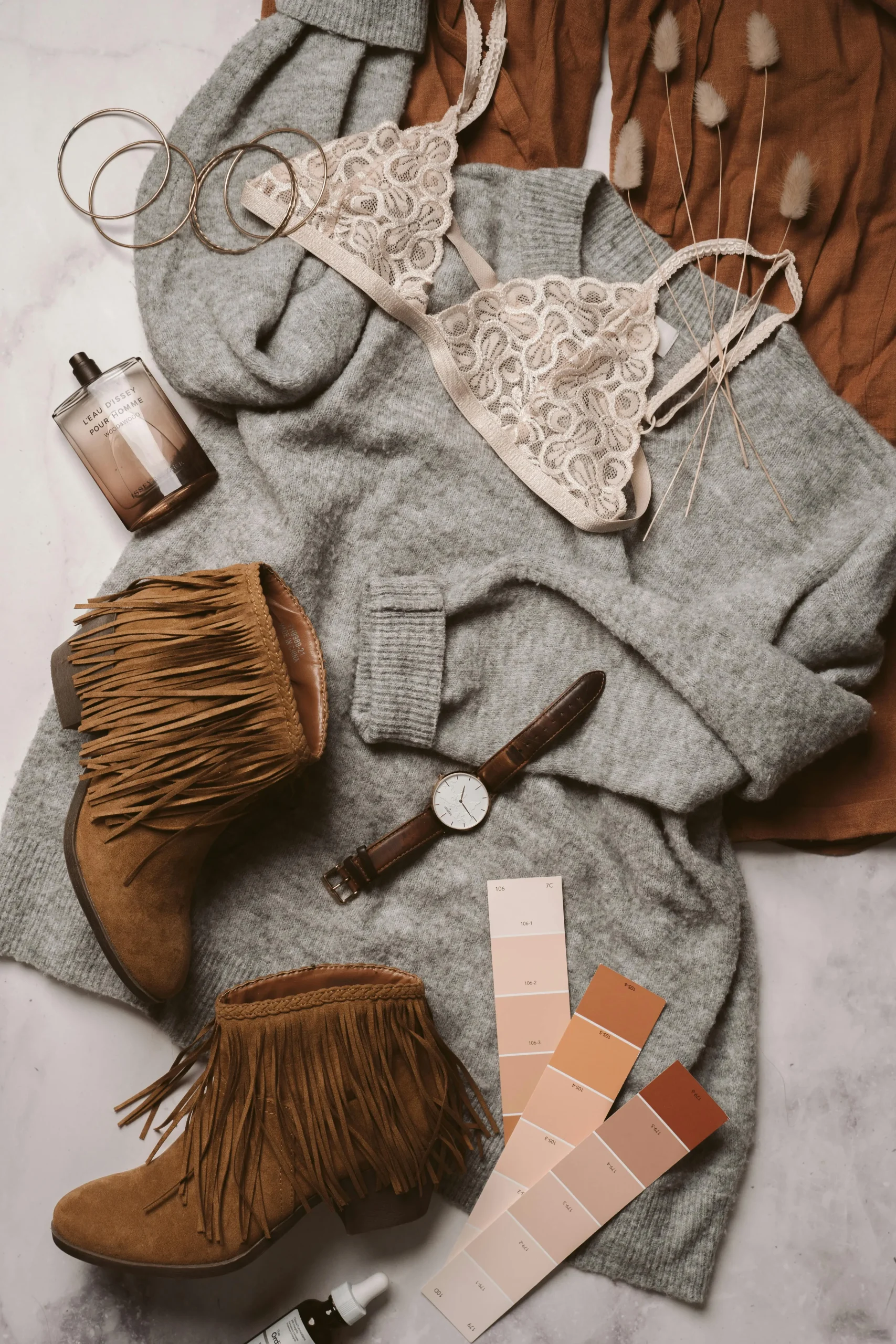
In an era dominated by fleeting trends and the relentless churn of fast fashion, building a wardrobe that truly lasts feels revolutionary. “Future-proofing” your wardrobe isn’t just about resisting the urge to buy; it’s a strategic approach to dressing that prioritizes longevity, versatility, and conscious consumption. By investing in timeless pieces and intelligently incorporating sustainable trends, you can cultivate a personal style that endures, minimizes your environmental footprint, and ultimately saves you money in the long run.
This guide empowers you to become a savvy fashion investor, focusing on quality over quantity and making choices that align with both your personal aesthetic and a more sustainable future. We’ll explore the pillars of a timeless wardrobe, identify sustainable trends gaining traction in 2025, and provide actionable tips for curating a collection that feels effortlessly chic and consciously chosen.
The Problem with Fast Fashion: A Call for Change
Before diving into solutions, it’s essential to understand the “why” behind future-proofing. The fast fashion model of rapid production, low prices, and disposable garments has significant environmental and social costs:
- Environmental Impact: Massive water consumption, chemical pollution from dyes and finishes, extensive textile waste in landfills, and high carbon emissions from manufacturing and transport.
- Social Impact: Often relies on unethical labor practices, low wages, and unsafe working conditions in developing countries.
- Consumerism Culture: Encourages overconsumption, leaving closets overflowing with rarely worn items and a constant feeling of “not enough.”
Future-proofing your wardrobe is a direct rebellion against this cycle, fostering a “buy less, choose well” mindset.
The Pillars of a Timeless Wardrobe: Classics That Never Fade
A truly future-proofed wardrobe is built on versatile, high-quality classics that transcend seasonal fads. These pieces are the workhorses of your closet, adaptable to various occasions and easily dressed up or down.
The Perfect Tailored Blazer
- Why It’s an Investment: Instantly elevates any outfit. Pair with jeans for casual polish, a dress for business, or as light outerwear.
- What to Look For: Quality fabric (wool, linen blends, or recycled polyester), precise tailoring, and a flattering fit. Neutral colors like black, navy, charcoal, or camel maximize versatility.
- Longevity Tip: Hang properly to maintain shape and dry-clean sparingly.
Classic White Shirt (with a Twist)
- Why It’s an Investment: A crisp white button-up is a wardrobe staple that can be professional, casual, or chic.
- What to Look For: High-quality cotton (organic preferred), sturdy stitching, and a flattering fit. Subtle 2025 twists—oversized cuffs, unique collars—add personality without dating the piece.
- Longevity Tip: Wash gently, avoid harsh bleach, and iron slightly damp for a crisp finish.
Well-Fitting Dark Wash Jeans
- Why It’s an Investment: A versatile bottom that can be dressed up or down. Dark washes look polished and resist visible wear.
- What to Look For: Quality denim (organic or recycled blends), flattering fit (straight-leg, slim-straight, subtle bootcut), durable stitching.
- Longevity Tip: Wash inside out in cold water, air dry, and wash less frequently to preserve color and elasticity.
The Little Black Dress (LBD)
- Why It’s an Investment: The ultimate go-to for countless occasions.
- What to Look For: Simple, elegant silhouette that flatters your body type; quality fabric that drapes well and resists wrinkles.
- Longevity Tip: Avoid overly trendy details that date quickly.
Quality Knitwear
- Why It’s an Investment: Cozy, luxurious, versatile—perfect for layering or standalone wear.
- What to Look For: Natural fibers like cashmere, merino wool, or organic cotton. Neutral tones allow for maximum outfit pairing.
- Longevity Tip: Hand wash or use wool-specific detergent, dry flat, and fold rather than hang.
A Classic Trench Coat
- Why It’s an Investment: Sophisticated, timeless outerwear perfect for transitional weather.
- What to Look For: Water-resistant fabric, classic details (epaulets, storm flap, belted waist), and a flattering length.
- Longevity Tip: Spot clean as needed and dry clean once a season.
Versatile Footwear
- Why It’s an Investment: Shoes complete an outfit; quality footwear lasts longer and is more comfortable.
- What to Look For:
- Leather loafers or ballet flats
- Sleek white sneakers
- Quality ankle boots
- Classic heels (black or nude)
- Longevity Tip: Rotate shoes, use shoe trees, and repair or re-sole when necessary.
A Timeless Handbag
- Why It’s an Investment: A quality bag ties your outfits together and can last decades.
- What to Look For: Durable leather or vegan alternatives (Mylo, Mirum), classic shape, neutral color, functional design.
- Longevity Tip: Store in a dust bag, avoid overfilling, and condition leather regularly.
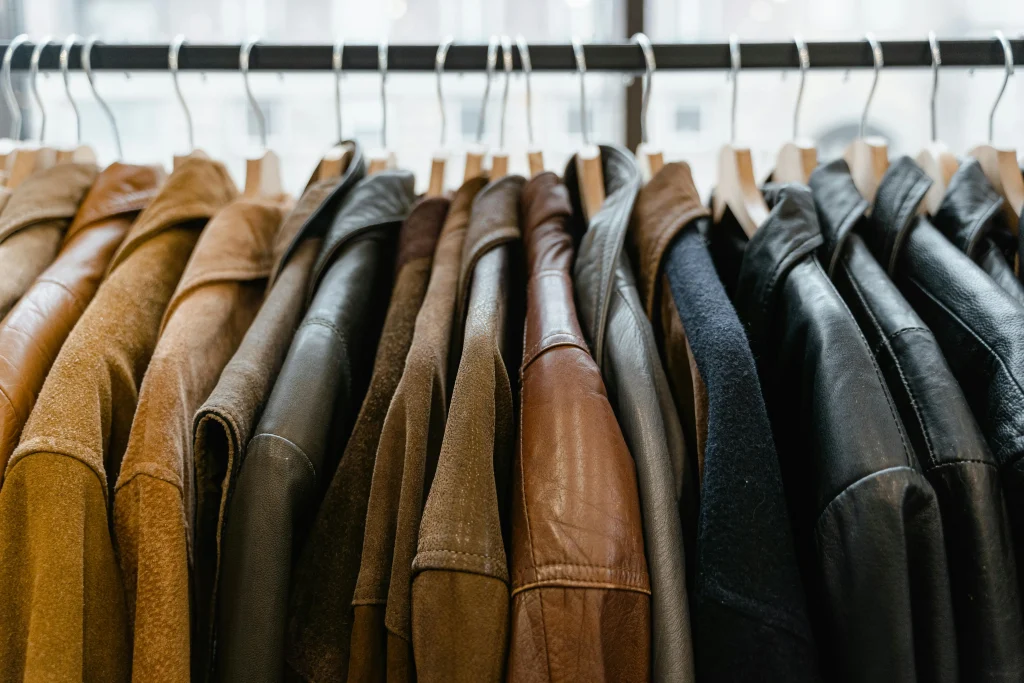
Sustainable Trends: Integrating Conscientious Choices
While future-proofing resists fleeting trends, sustainable fashion offers forward-thinking options to enhance your wardrobe.
Circular Fashion Models
- What It Is: Designs garments for longevity, repair, reuse, recycling, and biodegradability.
- How to Integrate: Support brands with take-back programs, repair services, or clothing rentals. Explore blockchain transparency for supply chain accountability.
Vegan Fashion Innovations
- What It Is: Animal-free materials like mushroom leather (Mylo), pineapple fibers (Piñatex), apple leather, and plant-based alternatives like Mirum.
- How to Integrate: Choose accessories, shoes, and outerwear made from cruelty-free, sustainable materials.
Eco-Friendly & Bio-Fabricated Materials
- What It Is: Organic cotton, hemp, linen, Tencel, and recycled polyester. Lab-grown textiles like mycelium-based leather reduce resource consumption.
- How to Integrate: Prioritize GOTS-certified organic cotton, Oeko-Tex fabrics, or innovative bio-materials.
Transparency & Traceability
- What It Is: Consumers demand details on where and how garments are made.
- How to Integrate: Research brands thoroughly; look for ethical sourcing, fair labor practices, and transparent supply chains.
Elevated Minimalism (“Quiet Luxury”)
- What It Is: Buy less, choose well, focusing on quality, understated garments, neutral palettes, and versatile designs.
- How to Integrate: Lean into clean lines, neutral colors, minimal branding, and fabrics that speak for themselves.
Building Your Future-Proofed Wardrobe: A Step-by-Step Approach
- Declutter with Intention: Sort your wardrobe into “keep,” “donate/resell,” and “mend/upcycle” piles. Let go of ill-fitting, unworn, or unflattering pieces.
- Define Your Personal Style: Identify colors, silhouettes, and lifestyle needs. Create a mood board for inspiration.
- Identify Gaps: Make a list of missing timeless essentials. Stick to this plan to avoid impulse purchases.
- Prioritize Quality Over Quantity: Consider cost per wear. A $300 blazer worn 100 times equals $3 per wear—cheaper than a $30 top worn 3 times.
- Shop Sustainably: Explore secondhand, vintage, and resale platforms (The RealReal, Vestiaire Collective, Vinted, Depop). Choose ethical brands when buying new. Consider rentals for special occasions.
- Care for Your Garments: Proper washing, air drying, prompt repairs, and mindful storage extend the life of your clothing.
Conclusion: Style That Lasts, Impact That Matters
Future-proofing your wardrobe is more than a fashion strategy; it’s a commitment to mindful living, personal style, and planetary well-being. By investing in timeless pieces, understanding sustainable trends, and adopting conscientious shopping and care habits, you build a wardrobe that reflects your values and serves you for years.
Embrace the power of a curated, high-quality closet. You’ll look effortlessly stylish while contributing to a more sustainable and ethical fashion industry. It’s about building a legacy of style, not just accumulating clothes.
What’s one timeless piece you consider your best wardrobe investment? Share your thoughts in the comments below!
Leave a Reply