
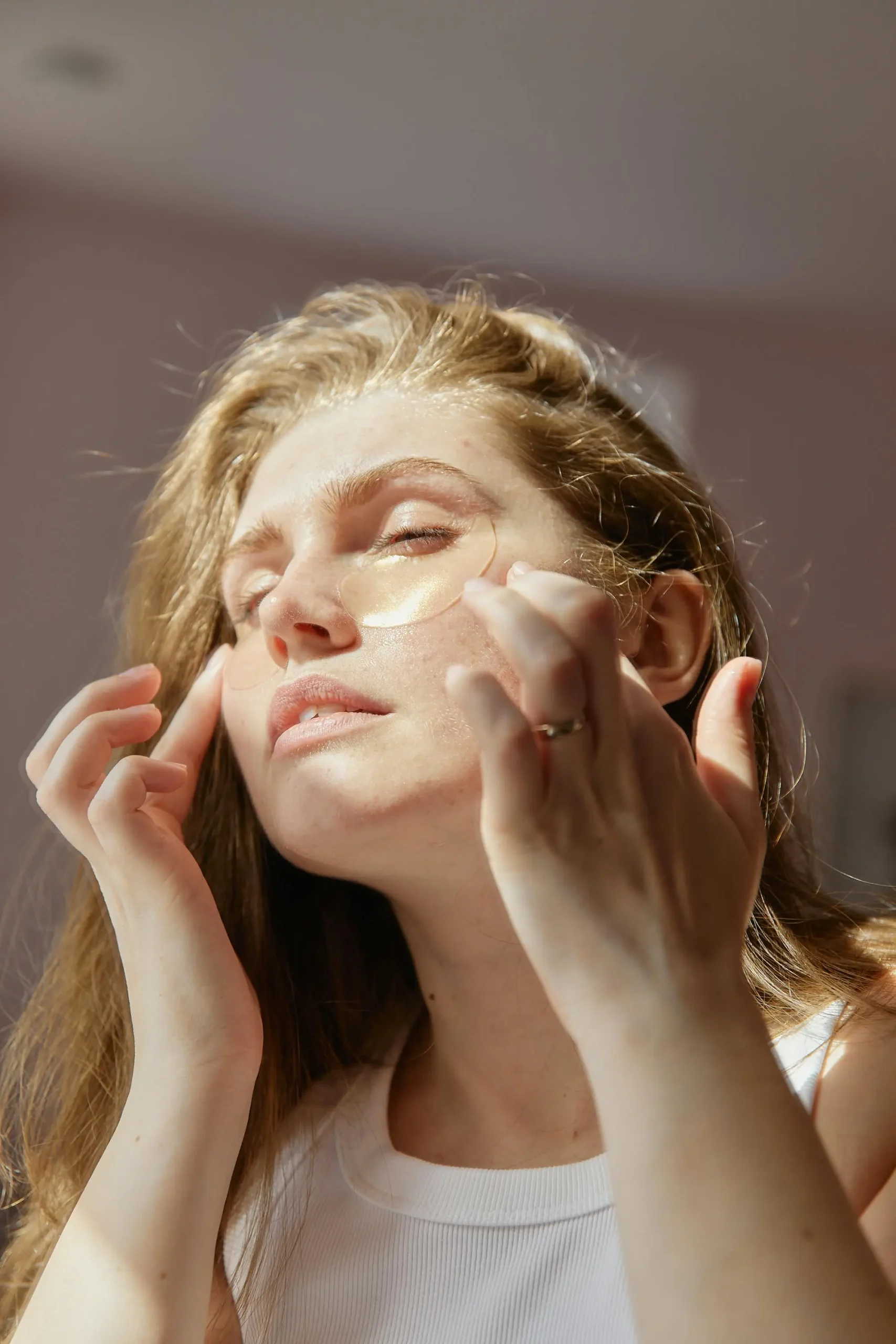
Imagine your skin isn’t just a surface, but a thriving, invisible ecosystem bustling with trillions of microorganisms—bacteria, fungi, and even viruses. This dynamic community, known as your skin microbiome, is the unsung hero of your complexion. Far from being “germs” to eradicate, these microscopic residents play a crucial role in maintaining your skin’s health, protecting it from external threats, and contributing directly to that coveted healthy glow.
Welcome to the microbiome movement, where understanding and nurturing your skin’s secret ecosystem is the key to optimal health and radiant skin. In recent years, groundbreaking research has illuminated the profound impact of the skin microbiome on everything from acne and eczema to sensitivity and aging. This guide will dive deep into this fascinating world, explaining what your skin microbiome is, how it functions, and how to support it through intelligent skincare and lifestyle choices.
What is the Skin Microbiome? Your Invisible Shield
The skin microbiome is the collective community of microorganisms that live on and within the layers of your skin. It is highly diverse, varying from person to person and even across different areas of the body—for instance, your forehead’s microbiome differs from your armpit’s.
Key Functions of a Healthy Skin Microbiome:
- Barrier Function Support: The microbiome works alongside your skin’s physical barrier to defend against pollution, UV radiation, and harmful pathogens. Some beneficial bacteria even produce ceramides, which are essential for barrier integrity.
- Immune Defense: Skin microbes communicate directly with immune cells, helping your body distinguish between harmful invaders and friendly residents. They also produce antimicrobial peptides to fight off bad bacteria.
- pH Regulation: A balanced microbiome helps maintain the skin’s naturally acidic pH (around 4.7–5.7), essential for barrier function and discouraging pathogenic growth.
- Inflammation Control: Beneficial microbes produce anti-inflammatory compounds, calming irritation and redness.
- Hydration & Sebum Regulation: The microbiome interacts with sebaceous glands to regulate oil production and maintain hydration.
When this balance is disrupted—a state called dysbiosis—common skin issues can arise:
- Acne breakouts
- Eczema (atopic dermatitis)
- Rosacea
- Psoriasis
- Increased sensitivity and dryness
- Impaired wound healing
The Gut-Skin Axis: An Inside-Out Connection
The microbiome movement extends beyond your skin. Scientists are increasingly recognizing the gut-skin axis, a communication highway between your gut microbiome and your skin.
How Your Gut Influences Your Skin:
- Inflammation: Gut imbalances can increase systemic inflammation, showing up as acne, eczema flare-ups, or rosacea.
- Nutrient Absorption: A healthy gut ensures proper absorption of vitamins, minerals, and fatty acids crucial for skin health.
- Immune Modulation: Since a large part of the immune system resides in the gut, a balanced microbiome helps regulate skin immunity.
- Metabolites: Gut bacteria produce compounds, like short-chain fatty acids, that travel through the bloodstream to impact skin health.
Supporting the Gut-Skin Axis Through Diet:
- Fiber-Rich Foods: Fruits, vegetables, and whole grains feed beneficial gut bacteria.
- Fermented Foods: Yogurt, kefir, kimchi, sauerkraut, and kombucha are rich in probiotics.
- Omega-3 Fatty Acids: Found in fatty fish, flaxseeds, and chia seeds, these help reduce inflammation.
- Limit Processed Foods & Sugar: These can fuel harmful gut bacteria and trigger systemic inflammation.

Probiotics, Prebiotics, and Postbiotics in Skincare: The Biotic Revolution
Understanding the skin microbiome has spurred a new generation of biotic skincare designed to support this ecosystem.
Probiotics (Live Microorganisms or Ferments)
- What They Are: Live beneficial bacteria (e.g., Lactobacillus or Bifida) or their non-living components, often listed as “ferment filtrate” or “lysate.”
- How They Work:
- Compete with harmful bacteria
- Produce antimicrobial peptides
- Reduce redness and inflammation
- Strengthen the skin barrier
- Look For: Lactobacillus ferment, Bifida ferment lysate, Saccharomyces ferment
Prebiotics (Food for Good Bacteria)
- What They Are: Non-digestible compounds, often plant sugars or complex carbs, that nourish beneficial bacteria.
- Benefits: Strengthen the skin barrier, enhance hydration, reduce inflammation, and maintain healthy pH.
- Look For: Inulin, fructooligosaccharides (FOS), galactooligosaccharides (GOS), alpha-glucan oligosaccharide, oat beta-glucan
Postbiotics (Beneficial Byproducts)
- What They Are: Metabolic byproducts from probiotics, including peptides, enzymes, amino acids, and fatty acids.
- How They Help:
- Soothe irritation
- Strengthen the moisture barrier
- Provide antioxidant protection
- Stimulate collagen production
- Look For: Lactobacillus ferment lysate filtrate, Saccharomyces lysate, short-chain fatty acids
Lifestyle Habits for a Thriving Skin Microbiome
Beyond biotic skincare, daily habits significantly influence your skin’s ecosystem.
- Gentle Cleansing: Avoid harsh, alkaline cleansers that disrupt pH and microbiome balance. Use mild, pH-balanced, sulfate-free options.
- Mindful Exfoliation: Avoid over-exfoliation with harsh scrubs or aggressive acids. Opt for gentle AHAs, BHAs, or enzyme-based exfoliants.
- Protect Your Barrier: Use moisturizers rich in ceramides, fatty acids, and cholesterol to maintain a healthy barrier.
- Sun Protection: UV rays can harm skin cells and disrupt the microbiome. Daily broad-spectrum SPF is essential.
- Environmental Awareness: Pollution, excessive handwashing, and certain fabrics can impact your microbiome.
- Stress Management: Chronic stress can affect both gut and skin microbiomes, leading to inflammation. Meditation, yoga, or nature walks help.
- Limit Antibacterial Products: Use only when necessary to avoid wiping out beneficial microbes.
The Future of Skin Health: Personalized Microbiome Care
The microbiome movement is evolving rapidly. Look for these trends in 2025:
- Hyper-Personalized Skincare: At-home testing kits analyze your skin microbiome for tailored product recommendations.
- Oral Supplements for Skin: Specific probiotic strains may directly benefit skin via the gut-skin axis.
- Microbiome Transplantation (Research Phase): Transferring beneficial microbes from healthy to compromised skin, particularly for eczema.
- Skin-Brain Axis Exploration: Emerging research links certain skin bacteria to mood and stress levels, opening doors to products targeting mental well-being via the skin.
Conclusion: Nurture Your Ecosystem, Embrace Your Glow
Your skin microbiome is a secret garden, a complex ecosystem that determines skin health, resilience, and radiance. By adopting a microbiome-friendly approach in skincare and lifestyle, you can move beyond temporary fixes to achieve deep, sustainable glow.
Embrace your invisible inhabitants. Nourish them with intention, protect their delicate balance, and watch as your skin transforms from within—radiant, healthy, and glowing naturally.
What changes will you make to support your skin’s secret ecosystem? Share your microbiome-friendly tips in the comments below!u make to support your skin’s secret ecosystem? Share your microbiome-friendly tips in the comments below!
Leave a Reply