
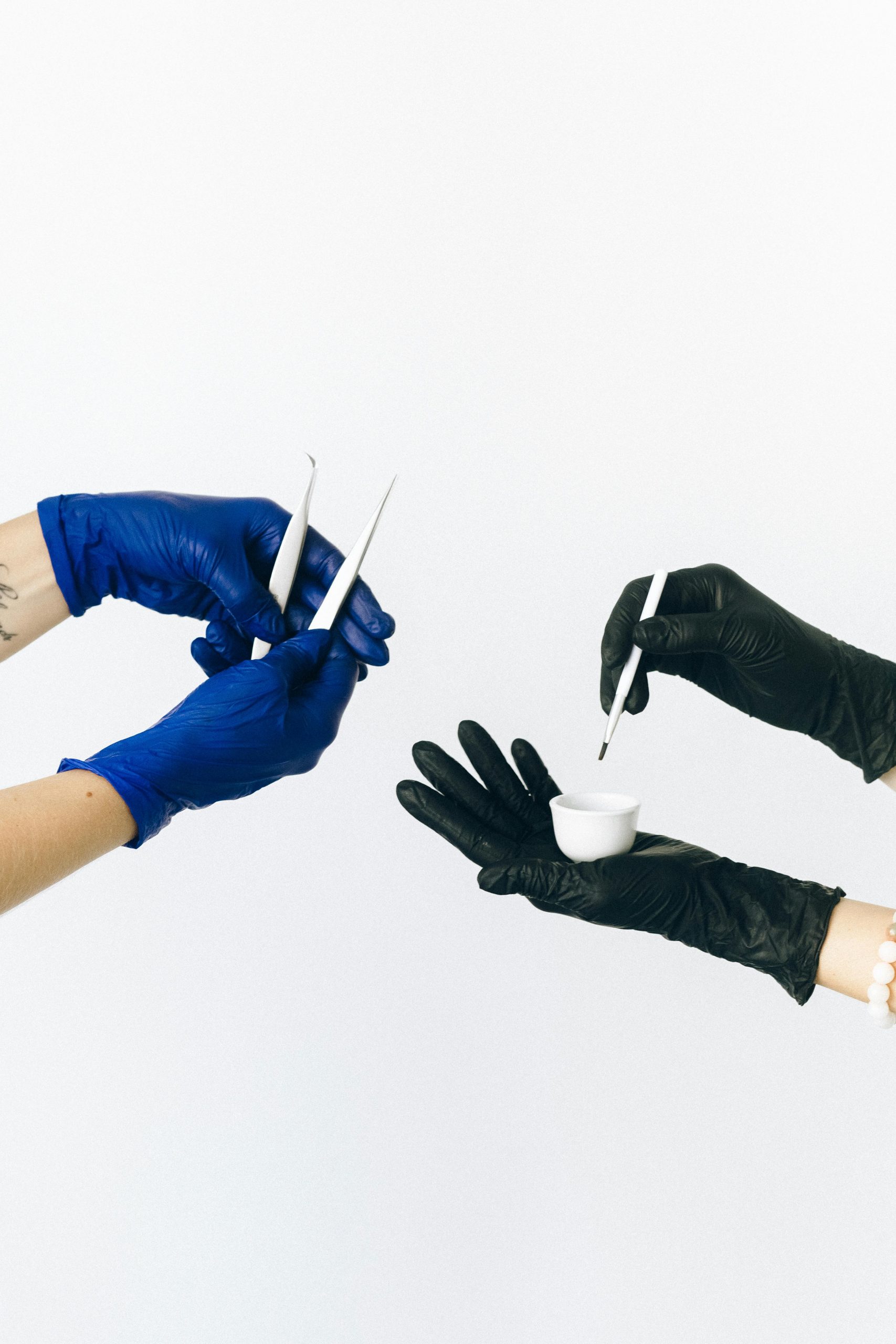
Beauty has always been a powerful form of self-expression, reflecting individuality, culture, and confidence. In today’s world, beauty is no longer defined by rigid standards but by authenticity and self-care. Makeup and skincare have evolved beyond aesthetic enhancement to become tools for empowerment, creativity, and wellness. With growing awareness about ingredients, techniques, and personal needs, the beauty industry is transforming into a space that celebrates diversity while emphasizing healthy skin and mindful routines.
Skincare forms the foundation of any beauty routine, as healthy skin naturally enhances appearance and boosts confidence. Modern skincare focuses on maintaining the skin’s natural balance rather than masking imperfections. Cleansing, moisturizing, and sun protection are the cornerstones of effective skincare. Cleansing removes dirt, excess oil, and pollutants that accumulate throughout the day, while moisturizing helps maintain hydration and strengthen the skin barrier. Sunscreen, often overlooked, is one of the most important skincare products, protecting the skin from harmful ultraviolet rays that cause premature aging, pigmentation, and skin cancer.
Understanding skin types has become essential in choosing the right products. Oily, dry, combination, sensitive, and acne-prone skin all require different care approaches. The rise of personalized skincare has helped consumers make informed choices, using ingredients like hyaluronic acid for hydration, salicylic acid for acne, vitamin C for brightening, and retinol for anti-aging. Natural and dermatologist-tested products have gained popularity as people become more cautious about harsh chemicals and long-term skin health. This shift reflects a broader movement toward conscious beauty and self-awareness.
Makeup, once primarily about covering flaws, is now seen as an art form that enhances natural features and allows creative freedom. From minimal, natural looks to bold, dramatic styles, makeup adapts to moods, occasions, and personalities. Foundation and concealer create an even base, while blush and bronzer add warmth and dimension. Eye makeup, including eyeliner, mascara, and eyeshadow, plays a significant role in defining expressions, while lip products complete the look with color and texture. Modern makeup trends encourage experimentation, proving that beauty does not follow a single rulebook.
The influence of social media and beauty influencers has significantly shaped makeup and skincare trends. Tutorials, product reviews, and skincare routines shared online have made beauty education more accessible than ever. Consumers now rely on real experiences rather than traditional advertising when choosing products. While this democratization of beauty knowledge is empowering, it also highlights the importance of critical thinking, as not all trends or routines suit everyone. Listening to one’s own skin and preferences remains key.
Skincare and makeup are deeply connected to self-care and mental well-being. Taking time for a skincare routine can be therapeutic, offering moments of relaxation and mindfulness. Makeup, for many, is a form of self-expression that builds confidence and creativity. Beauty routines can help individuals feel prepared, confident, and in control, especially during stressful times. This emotional connection has redefined beauty as an act of self-love rather than a response to external expectations.
Sustainability has become a growing focus within the beauty industry. Consumers are increasingly aware of environmental impact, leading brands to adopt eco-friendly packaging, cruelty-free testing, and ethically sourced ingredients. Minimalist routines and multi-purpose products are gaining popularity as people seek to reduce waste without compromising quality. This shift demonstrates that beauty can coexist with responsibility and care for the planet.
Inclusivity is another major evolution in beauty and skincare. Brands are expanding shade ranges, developing products for diverse skin tones and types, and challenging traditional beauty norms. Representation in marketing campaigns has improved, allowing people from different backgrounds, ages, and genders to see themselves reflected in the industry. This inclusive approach reinforces the idea that beauty belongs to everyone and is not limited by appearance or identity.
In conclusion, beauty, makeup, and skincare have transformed into powerful tools that go beyond physical appearance. They represent self-expression, confidence, and well-being while encouraging conscious choices and inclusivity. Whether through a simple skincare routine or a bold makeup look, beauty allows individuals to celebrate who they are. As the industry continues to evolve, the focus remains clear: true beauty starts with healthy skin, self-care, and embracing individuality from the inside out.
Leave a Reply