
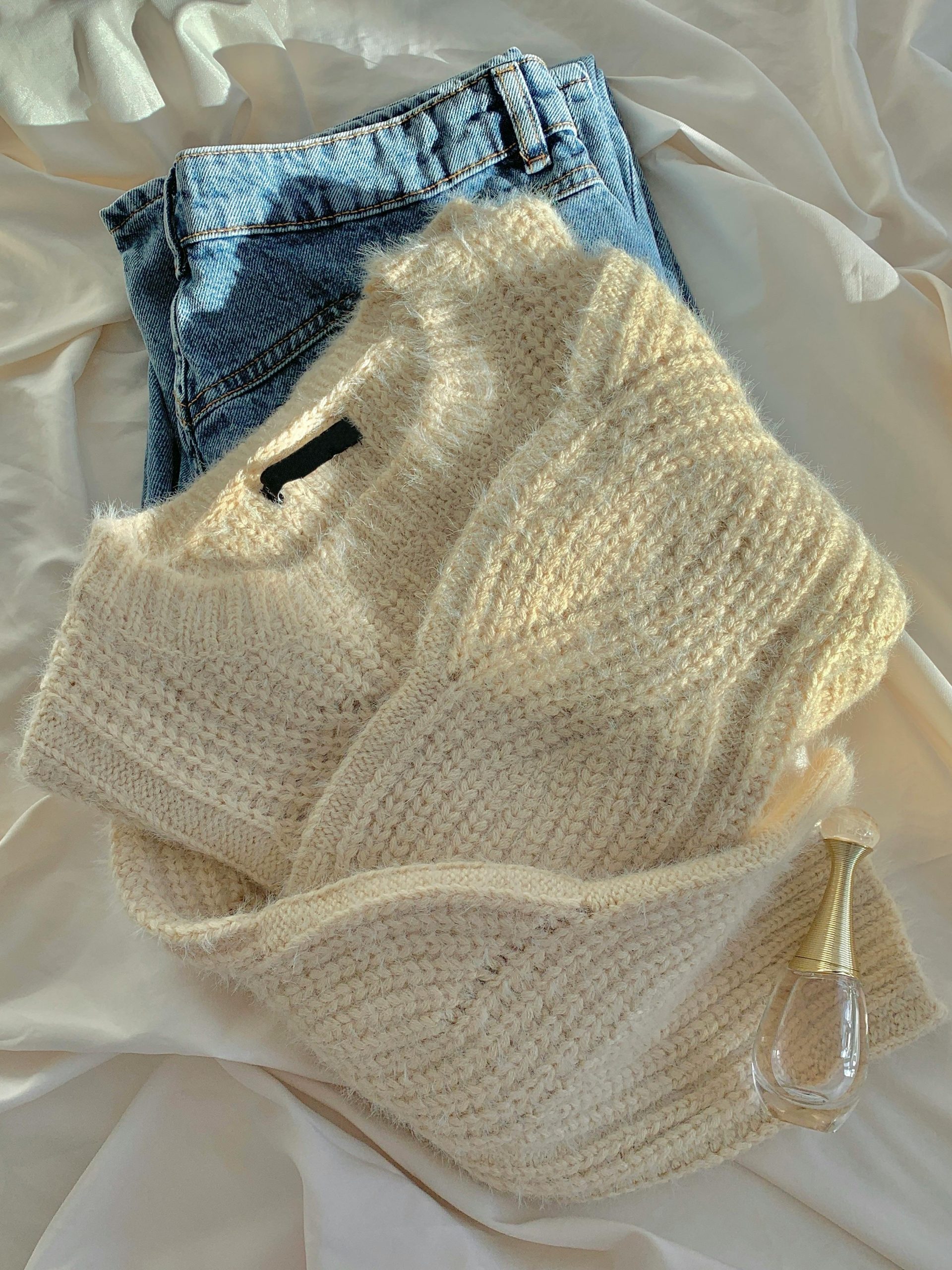
If you’ve noticed your feed flooded with cozy sweaters, plush blankets, and velvety cushions, you’re not alone. Soft textures have taken over fashion, interior design, and lifestyle trends with a gentle but undeniable force. From the tactile appeal of fuzzy fabrics to the soothing sight of pastel hues paired with plush surfaces, the world seems to be embracing softness like never before. But what’s driving this widespread craving for comfort? Why are soft textures everywhere right now, and what does it say about our collective mood and culture?
At its core, the surge in soft textures is a response to an increasingly fast-paced, digital, and often stressful world. In times marked by uncertainty—whether due to global events, social upheaval, or personal challenges—people seek refuge in sensory experiences that offer calm and reassurance. Softness, with its immediate association to warmth, safety, and tactile pleasure, becomes a form of nonverbal comfort, a physical antidote to anxiety and overstimulation.
Fashion designers have tapped into this desire for ease and coziness by incorporating materials like fleece, boucle, chenille, and sherpa into their collections. These fabrics invite touch and linger in memory, creating a sensory connection that goes beyond mere aesthetics. Wearing something soft isn’t just about style; it’s about feeling embraced, protected, and grounded in a world that often feels chaotic and disconnected.
Similarly, home design trends have shifted toward creating spaces that feel like a sanctuary. Plush rugs, velvet sofas, and cushioned wall panels transform rooms into tactile havens. The visual softness of rounded furniture edges and gentle color palettes complements the physical textures, crafting environments that soothe the senses and promote relaxation. In this way, soft textures serve as a language of comfort—communicating care and calm without words.
The digital age’s screen fatigue also plays a role. After hours spent in front of harsh, bright screens, the appeal of soft, natural textures offers a welcome contrast. They remind us of physical presence and sensation, anchoring us in the tangible world when virtual experiences can feel overwhelming or hollow. This tactile trend reflects a broader longing to reconnect with the physical and the real.
Social media amplifies and accelerates the spread of these trends. Platforms like Instagram, TikTok, and Pinterest showcase endless inspiration for incorporating softness into wardrobes and living spaces. The visual impact of a fluffy sweater or a velvet throw evokes an almost sensory response through the screen, encouraging followers to seek out similar experiences in their own lives. This digital sharing creates a collective craving for comfort that feeds itself, making soft textures feel even more ubiquitous.
Psychologically, soft textures tap into early human experiences. The sensation of softness recalls childhood memories of blankets, stuffed animals, and gentle touches, evoking feelings of security and nurturing. In stressful times, these sensory triggers can reduce cortisol levels and promote feelings of safety, acting almost like a form of self-soothing. It’s no surprise, then, that so many are drawn to softness as a balm for modern anxieties.
The rise of soft textures also intersects with sustainability and mindfulness movements. Many of the fabrics gaining popularity are natural, biodegradable, or produced with eco-conscious methods. The emphasis on quality and durability encourages consumers to slow down, invest in pieces that last, and savor the tactile joy they provide. This slower, more intentional consumption aligns with a cultural shift toward valuing wellbeing over excess.
Softness doesn’t mean dull or plain; it’s a vibrant, expressive trend that blends comfort with style. Bold colors paired with rich textures create playful contrasts, while layering different soft materials adds depth and interest. This versatility helps explain why soft textures have crossed boundaries from casual wear to high fashion, from cozy homes to cutting-edge design.
Ultimately, the explosion of soft textures is more than a passing fad. It’s a reflection of our collective need for comfort, connection, and calm in a complex world. Through softness, we find a way to ground ourselves, to invite warmth into our daily lives, and to express care—both for ourselves and for the spaces we inhabit.
So next time you wrap yourself in a plush cardigan or sink into a velvet cushion, remember: you’re participating in a comfort revolution. Soft textures are everywhere right now because they answer a fundamental human desire—a tactile hug in a world that’s craving one.
Leave a Reply