
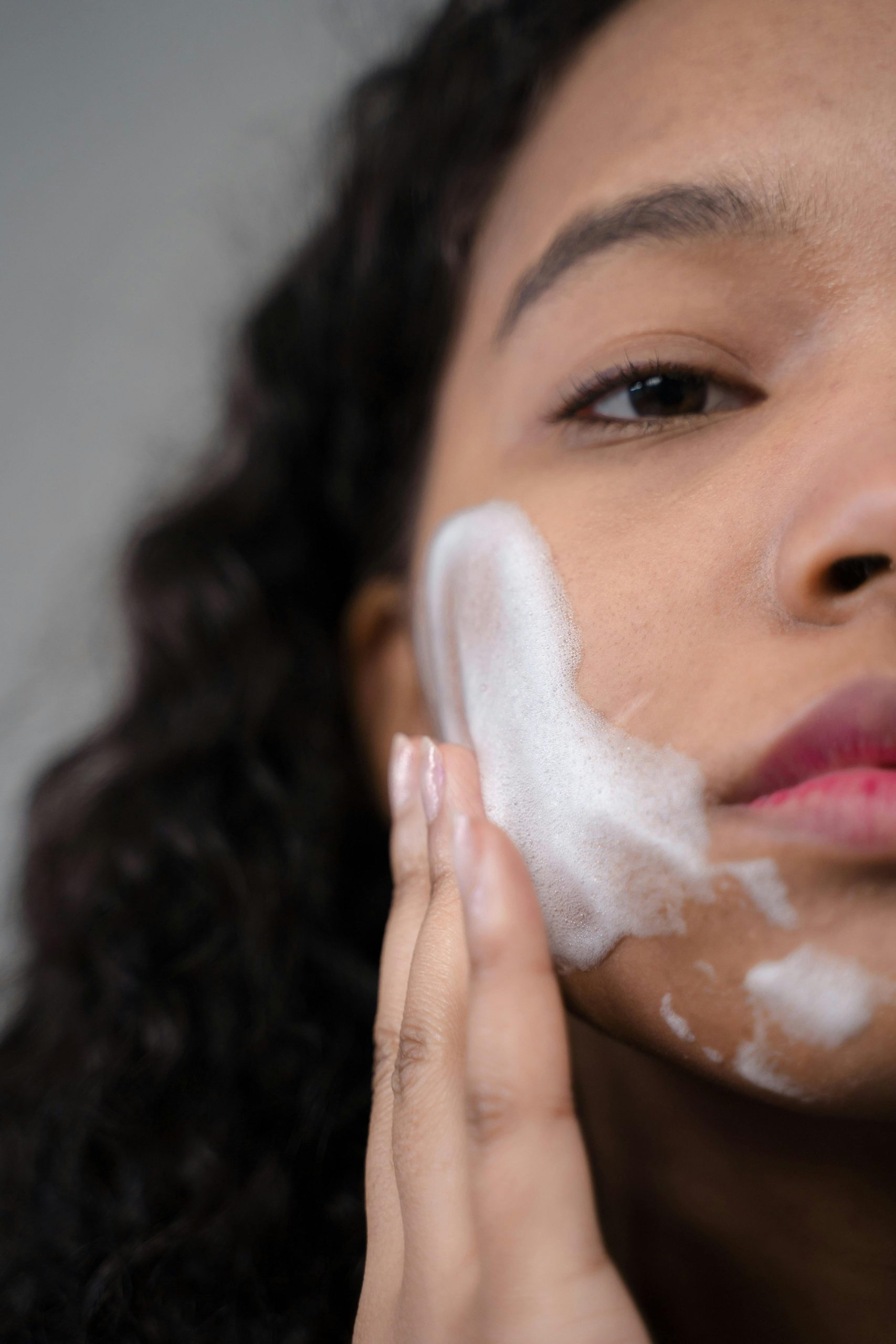
The new glow-up is effort you don’t have to think about.
For years, aspirational beauty meant effort you weren’t supposed to see. Flawless skin achieved through ten-step routines. “Natural” makeup that took an hour. Hair that looked undone but never actually was. The illusion of ease required constant maintenance. Now, that illusion is collapsing—and something more honest is taking its place.
Low-maintenance beauty has become the new aspiration.
This shift isn’t about giving up on beauty. It’s about redefining what beauty is for. Instead of performing perfection, people are prioritizing routines that fit real schedules, real energy levels, and real lives. Beauty that works quietly in the background is winning over beauty that demands constant attention.
The cultural context matters. Burnout is widespread. Time feels compressed. Attention is fragmented. In that environment, beauty routines that require daily discipline and visible sacrifice feel outdated. The appeal now lies in sustainability—can you maintain this look without reorganizing your life around it?
Low-maintenance beauty favors consistency over intensity. Fewer products, but better ones. Habits that don’t collapse the moment life gets busy. Think skin-first approaches that focus on barrier health rather than constant correction. Haircuts that grow out gracefully. Makeup that enhances instead of transforms.
This aesthetic shift is visible across social platforms. Tutorials promising “5-minute faces,” “wash-and-go hair,” and “real skin routines” outperform hyper-polished content. The language has changed too. Words like reset, baseline, and maintenance replace fix, hack, and transformation. The goal is not reinvention—it’s ease.
Importantly, low-maintenance beauty isn’t laziness. It’s strategy. It recognizes that effort has a cost, and not every result justifies it. This mindset treats time, energy, and mental space as valuable resources. Beauty should support your life, not compete with it.
There’s also a deeper psychological appeal. Low-maintenance beauty reduces decision fatigue. When routines are simple, there’s less pressure to “get it right.” That freedom creates confidence—not because the look is perfect, but because it’s reliable. You know what works. You trust it.
The rise of this aesthetic also challenges the idea that beauty must always signal labor. Visible effort used to equal value. Now, restraint reads as sophistication. Looking good without looking worked on has become the new status symbol.
This trend is especially resonant among people navigating multiple roles—careers, families, creative lives—where time is fragmented. Beauty that adapts instead of demands feels respectful. It meets people where they are rather than asking them to become someone else.
Low-maintenance beauty doesn’t reject glamour; it repositions it. Glamour becomes optional, intentional, and situational—not a daily requirement. There’s power in knowing you can elevate when you want to, without needing to maintain that level constantly.
Ultimately, this shift reflects a broader cultural recalibration. Aspirational no longer means unattainable. It means livable. Beauty that fits real schedules isn’t settling—it’s evolving.
And in a world that asks too much from people already stretched thin, beauty that gives something back—time, calm, confidence—feels like the most luxurious choice of all.
Leave a Reply