
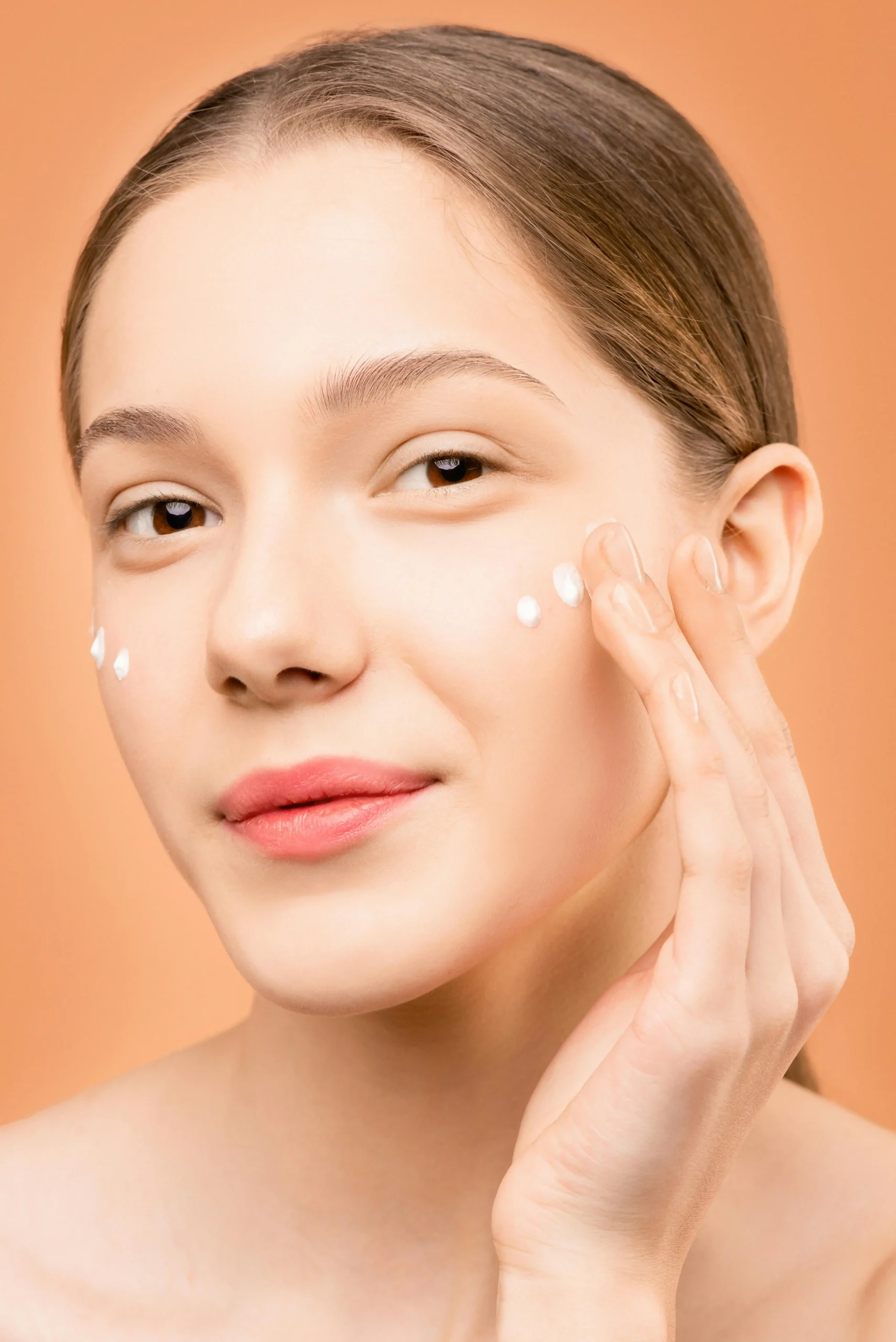
Niacinamide, also known as Vitamin B3, has become one of the most trusted and versatile ingredients in modern skincare. As a water-soluble vitamin, niacinamide delivers multiple skin benefits — from strengthening the skin barrier and regulating oil production to reducing acne, minimizing pores, and improving overall skin tone.
Suitable for all skin types, including sensitive and acne-prone skin, niacinamide is frequently found in serums, moisturizers, cleansers, and sunscreens. It can be used daily and pairs well with powerful ingredients like retinol and hyaluronic acid for enhanced results.
In this comprehensive guide, we’ll explore the key benefits of niacinamide, how to use it correctly, who should use it, and what potential side effects to consider.
What Is Niacinamide?
Niacinamide is a form of Vitamin B3, an essential nutrient that supports overall skin health. Unlike some active ingredients that focus on one concern, niacinamide is multifunctional. It improves the skin’s protective barrier, reduces inflammation, balances oil production, and promotes a brighter, more even complexion.
Because it is water-soluble, niacinamide absorbs easily into the skin and works effectively in both lightweight serums and richer cream formulations.
Key Benefits of Niacinamide
1. Strengthens the Skin Barrier
One of niacinamide’s most important roles is reinforcing the skin’s natural barrier.
The skin barrier, also known as the lipid barrier, helps:
- Retain moisture
- Protect against environmental stressors
- Prevent irritation and dryness
Niacinamide enhances the production of ceramides and other lipids that maintain hydration. By strengthening this barrier, it reduces transepidermal water loss, keeping the skin plump and resilient.
A healthy skin barrier is essential for preventing sensitivity, redness, and dehydration.
2. Regulates Oil (Sebum) Production
Excess oil production can lead to clogged pores, acne breakouts, and unwanted shine. Niacinamide helps regulate sebum levels without stripping the skin of necessary moisture.
This makes it especially beneficial for:
- Oily skin
- Combination skin
- Acne-prone skin
By balancing oil production, niacinamide reduces the likelihood of clogged pores while maintaining overall skin comfort.
3. Minimizes Pores and Refines Skin Texture
Enlarged pores are often the result of excess oil, congestion, or loss of skin elasticity. Niacinamide helps:
- Reduce the appearance of enlarged pores
- Improve skin smoothness
- Refine uneven texture
With consistent use, skin appears more even and polished. While pores cannot be permanently “shrunk,” their visibility can be significantly reduced through proper oil control and barrier support.
4. Reduces Inflammation and Redness
Niacinamide has anti-inflammatory properties that calm irritated skin. It is particularly helpful for individuals experiencing:
- Acne-related redness
- Rosacea
- Eczema
- General sensitivity
By soothing inflammation, niacinamide supports a more balanced and comfortable complexion. This calming effect makes it one of the few active ingredients suitable for reactive or compromised skin.
5. Brightens and Evens Skin Tone
Hyperpigmentation, dark spots, and uneven tone can result from acne scars, sun exposure, or hormonal changes.
Niacinamide works by:
- Inhibiting pigment transfer within the skin
- Reducing the appearance of dark spots
- Improving overall radiance
With consistent daily use, skin appears brighter and more even. It is often included in brightening skincare routines because it delivers visible results without the harshness of stronger acids.
6. Anti-Aging Benefits
Niacinamide also offers protective and anti-aging effects.
It helps:
- Defend against environmental damage
- Support collagen production
- Reduce the appearance of fine lines
- Improve elasticity
By protecting against free radicals and strengthening the skin barrier, niacinamide contributes to smoother, firmer-looking skin over time.
How to Use Niacinamide in Your Skincare Routine
Niacinamide is one of the easiest active ingredients to incorporate into daily skincare.
When to Apply
Niacinamide can be used:
- In the morning
- In the evening
- Or both
It is typically applied after cleansing and toning but before heavier creams or sunscreen.
Common Formulations
Niacinamide is available in various product types:
Serums
Most commonly found in concentrations between 5% and 10%, serums deliver targeted treatment benefits and absorb quickly into the skin.
Moisturizers
Niacinamide-infused creams provide hydration while strengthening the skin barrier.
Cleansers
Some cleansers include niacinamide for mild oil regulation and soothing effects.
Sunscreens
Certain sunscreens contain niacinamide to enhance barrier protection and calm redness.
Recommended Concentrations
- 2–5%: Ideal for sensitive or beginner users
- 5–10%: Effective for oil control, pore refinement, and brightening
- Above 10%: May increase risk of mild irritation in some individuals
For most skin types, 5% is sufficient to achieve noticeable benefits.
Compatibility with Other Ingredients
One of niacinamide’s biggest advantages is its compatibility with almost all other skincare ingredients.
Niacinamide and Retinol
Niacinamide pairs well with retinol by:
- Reducing irritation commonly caused by retinol
- Supporting the skin barrier
- Enhancing anti-aging effects
Together, they create a balanced routine that improves texture and reduces fine lines.
Niacinamide and Hyaluronic Acid
Hyaluronic acid hydrates the skin, while niacinamide strengthens the barrier that locks in that moisture. This combination results in plumper, smoother skin.
Niacinamide and Peptides
Peptides support collagen production, and niacinamide enhances overall barrier health. Together, they create a powerful anti-aging combination.
Is Niacinamide Suitable for All Skin Types?
Yes — niacinamide is generally considered safe and suitable for:
- Oily skin
- Dry skin
- Combination skin
- Sensitive skin
- Acne-prone skin
- Mature skin
Because it is gentle and non-exfoliating, it rarely causes irritation when used in appropriate concentrations.
Niacinamide for Sensitive Skin
While niacinamide is typically well tolerated, those with very sensitive skin should:
- Start with lower concentrations (2–5%)
- Apply once daily initially
- Gradually increase frequency
Introducing one new product at a time helps minimize potential reactions.
Potential Side Effects of Niacinamide
Niacinamide is considered a gentle and low-risk ingredient. However, at high concentrations (above 10%), some users may experience:
- Mild tingling
- Temporary redness
- Slight irritation
These reactions are uncommon but possible, especially for sensitive individuals.
To ensure safety:
- Always perform a patch test before full application
- Avoid combining multiple high-percentage actives at once
- Discontinue use if irritation persists
Most people tolerate niacinamide extremely well when used appropriately.
Why Niacinamide Is a Skincare Staple
Niacinamide’s versatility makes it a foundational ingredient in modern skincare routines. Unlike harsh treatments that target only one issue, niacinamide addresses multiple concerns simultaneously:
- Oil imbalance
- Enlarged pores
- Uneven skin tone
- Redness
- Fine lines
- Dehydration
Its ability to strengthen the skin barrier while improving overall texture makes it ideal for both prevention and correction.
Final Thoughts
Niacinamide (Vitamin B3) is a powerful yet gentle skincare ingredient suitable for nearly everyone. It strengthens the skin barrier, regulates oil production, minimizes pores, reduces inflammation, brightens dark spots, and provides anti-aging support.
Easy to use and compatible with most skincare actives, niacinamide can be incorporated into both morning and evening routines. Whether found in serums, moisturizers, or sunscreens, it delivers consistent results with minimal risk of irritation.
For those seeking a balanced, smoother, and more radiant complexion, niacinamide remains one of the most effective and reliable ingredients in modern skincare.
Leave a Reply