
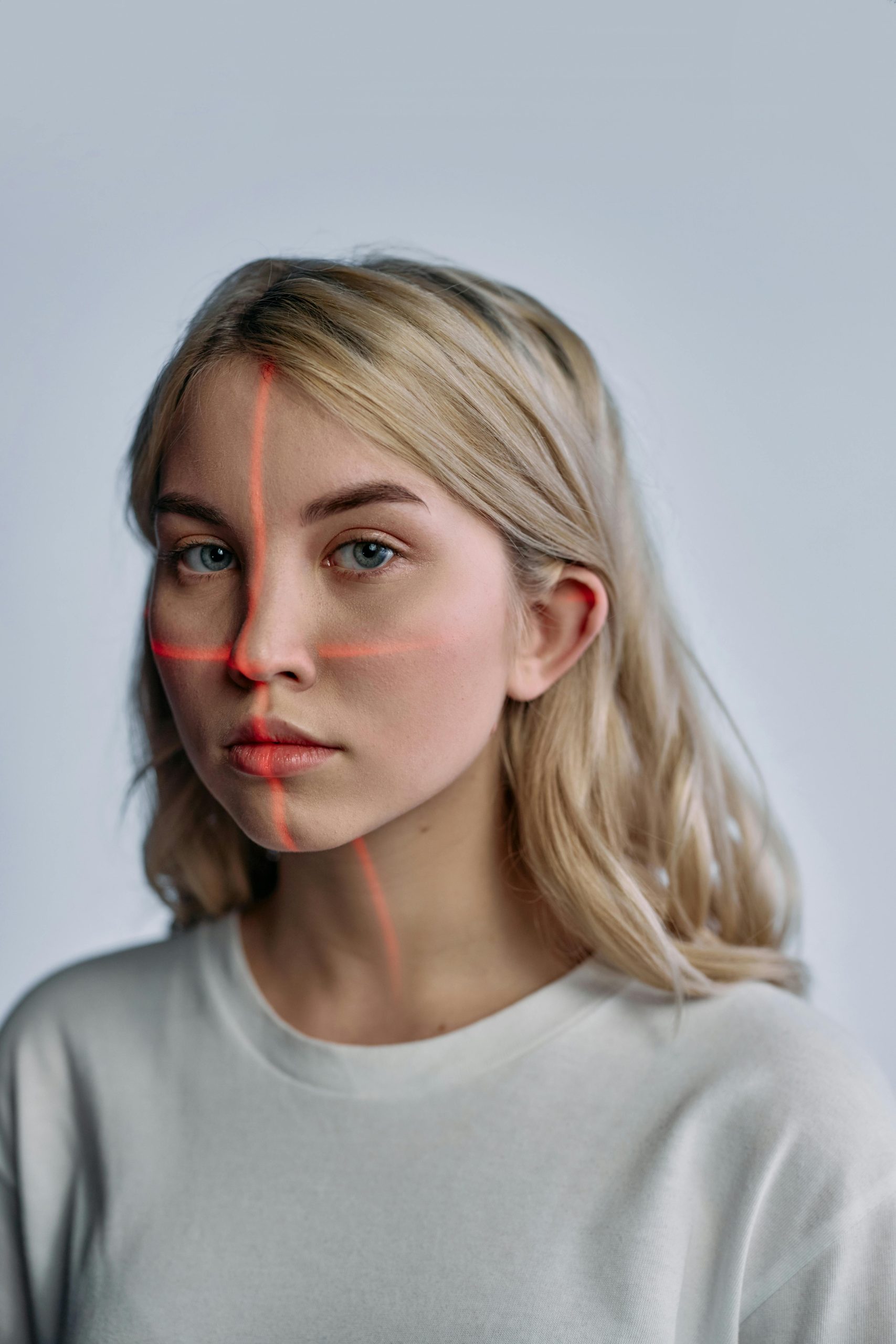
Beauty routines are evolving in 2026 from occasional rituals into structured, daily systems. Consumers are moving away from constantly chasing new products, trends, or dramatic transformations, instead focusing on consistency, predictability, and small, repeatable actions that accumulate results over time. The emphasis is no longer on variety or experimentation, but on habits that can be reliably incorporated into everyday life. Skincare, hair care, and wellness are increasingly viewed as processes rather than one-off treatments, turning beauty into a sustainable, systematized practice.
This shift is driven by a growing understanding of the science behind skin, hair, and overall wellness. Professionals and consumers alike recognize that long-term improvements come from repeated, incremental care rather than sporadic interventions. Using the right products consistently—like gentle cleansers, daily moisturizers, sunscreen, and nutrient-rich serums—has a far greater impact than rotating through every trending product. The same principle applies to haircare, makeup routines, and self-care rituals: regular attention builds resilience, health, and confidence over time.
The daily system approach also aligns with the broader cultural shift toward efficiency and mental bandwidth preservation. Modern consumers are balancing demanding work schedules, digital overload, and lifestyle stressors, leaving less room for complicated or time-consuming routines. Structured beauty systems simplify decision-making by creating predictable steps, reducing cognitive load, and freeing energy for other priorities. Consistency becomes the key metric of success, replacing the pressure to experiment constantly or chase novelty.
Technology and personalization reinforce this trend. Apps, smart mirrors, and subscription services now support regimented beauty routines by offering reminders, tracking progress, and recommending adjustments based on individual needs. AI-powered tools and diagnostics help consumers understand what products and steps truly matter, allowing them to focus on consistency rather than trying every new innovation that hits the market.
Beyond efficiency, a systemized approach to beauty fosters long-term confidence. When daily habits produce visible, reliable results, it encourages adherence and reinforces the value of small, consistent actions. This paradigm reframes beauty from a fleeting, external pursuit into a sustained practice that integrates seamlessly into life.
Ultimately, the move toward daily, structured beauty routines reflects a broader cultural understanding: real transformation doesn’t come from dramatic or occasional interventions—it comes from consistency, patience, and intentional care. In 2026, beauty is no longer a hobby or luxury; it is a system, a daily practice designed to protect, enhance, and maintain well-being over time.
Leave a Reply