
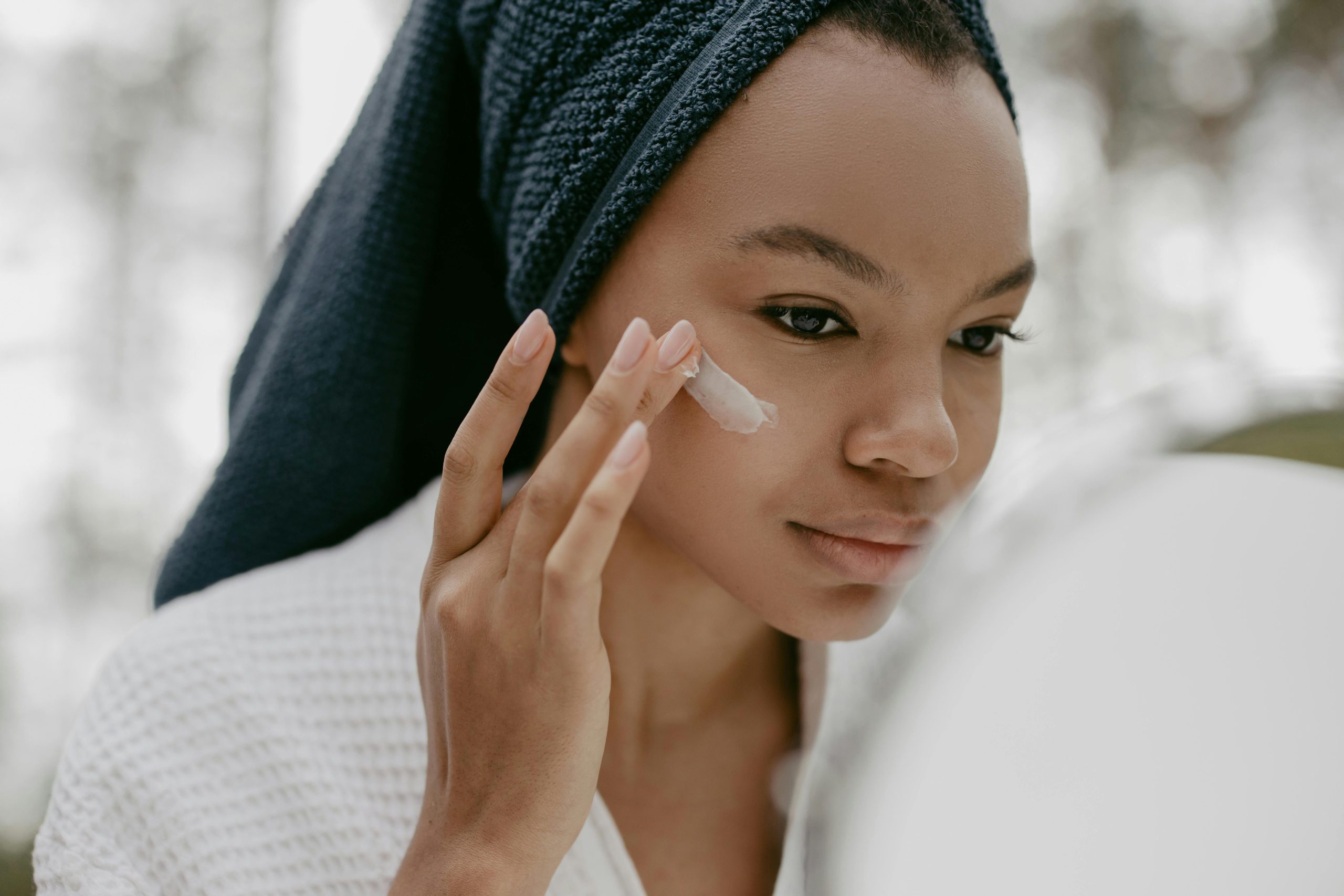
If you’ve spent even a few minutes scrolling through beauty TikTok, browsing Sephora, or reading skincare headlines this week, one phrase keeps resurfacing: skin barrier repair. It’s no longer a niche dermatology term or something only estheticians discuss behind treatment room doors. It has become one of the most searched beauty topics right now—and more importantly, it signals a deeper shift in how we think about skincare itself.
For years, the beauty industry thrived on transformation. Brighter, tighter, smoother, clearer—every product promised visible, often dramatic results. But in 2026, the narrative is changing. Consumers are no longer chasing overnight miracles. They are choosing recovery over transformation, resilience over perfection, and long-term skin health over short-term glow. Skin barrier repair sits at the center of this evolution.
To understand why this trend is exploding right now, you have to understand what the skin barrier actually is—and why so many people are suddenly realizing they’ve damaged theirs.
The skin barrier, often referred to as the stratum corneum, is the outermost layer of your skin. Its job is deceptively simple: keep the good things in (like moisture) and the bad things out (like pollutants, irritants, and bacteria). When it’s functioning properly, your skin feels balanced, hydrated, and calm. When it’s compromised, everything changes. Dryness, redness, irritation, breakouts, sensitivity—these are all signs that the barrier is struggling to do its job.
What’s driving the sudden surge in interest is the realization that many of us—ironically in the pursuit of “better skin”—have been actively damaging this protective layer.
Over the past decade, skincare routines became increasingly complex. Ten-step routines, daily exfoliation, high-percentage actives, layering acids with retinoids—what started as education quickly turned into excess. Social media accelerated the trend, rewarding visible results and viral routines without always emphasizing skin tolerance or long-term health.
Now, the consequences are catching up.
Dermatologists and industry experts are reporting a rise in sensitive, reactive skin, largely due to overuse of harsh actives and over-exfoliation. At the same time, consumers are becoming more educated—and more skeptical. They’re beginning to question whether glowing, “glass skin” results are worth the irritation that often comes with them.
This is where the pivot happens.
According to recent beauty reporting, 2026 is defined by a move away from aggressive treatments and toward gentler, smarter skincare rooted in science. The focus is no longer on stripping the skin down to rebuild it—it’s about supporting what’s already there.
And that’s exactly what barrier repair promises.
Instead of asking, “How do I fix this flaw?” consumers are asking, “How do I support my skin so problems don’t happen in the first place?”
This mindset shift aligns closely with another major theme dominating beauty news right now: regenerative skincare. As highlighted in recent coverage, the industry is increasingly focused on enhancing the skin’s natural repair mechanisms rather than overriding them. Ingredients like peptides, growth factors, and exosomes are gaining traction not because they transform the skin overnight, but because they help it function better over time.
Barrier repair is the foundation of that philosophy.
What’s particularly interesting is how this trend intersects with broader cultural and economic shifts. In a time marked by rising costs and information overload, consumers are gravitating toward simplicity and reliability. No-frills, dermatologist-backed brands are seeing renewed popularity precisely because they deliver consistent results without unnecessary complexity.
In other words, people are tired—not just of irritated skin, but of confusing routines and overhyped products.
Barrier repair offers clarity.
It tells you to slow down. Use fewer products. Choose ingredients that support rather than stress your skin. And perhaps most importantly, it reframes what “good skin” actually means.
Healthy skin is no longer defined by how flawless it looks in photos. It’s defined by how well it functions.
This idea is reinforced by the growing emphasis on “skin longevity,” another key trend shaping 2026. Instead of focusing on anti-aging as a battle to be won, longevity reframes skincare as maintenance—keeping your skin strong, resilient, and capable over time.
Barrier repair fits seamlessly into this narrative because it addresses the root cause of many skin concerns. When your barrier is intact, your skin is better able to retain moisture, regulate oil production, and defend against environmental stressors. When it’s compromised, even the best serums and treatments struggle to work effectively.
This is why many experts now consider barrier health the foundation of any skincare routine.
Interestingly, the ingredients driving this trend are not new—they’re just being recontextualized.
Ceramides, for example, have been around for decades, but they’re now being recognized as essential building blocks for restoring the skin barrier. Niacinamide, once a supporting ingredient, is now a star for its ability to reduce inflammation and strengthen the skin. Beta-glucan and glycerin are gaining attention for their ability to deeply hydrate while reinforcing barrier function.
Even peptides, which are often associated with anti-aging, are being reframed as barrier-supporting ingredients due to their role in signaling repair processes within the skin.
What’s changed is not the science—it’s the intention.
Consumers are no longer using these ingredients to push their skin to perform. They’re using them to help their skin recover.
Social media, which once fueled the rise of aggressive skincare trends, is now playing a surprising role in promoting barrier repair. Influencers are sharing “skin barrier reset” routines, documenting their journeys from irritation to recovery, and encouraging followers to simplify their routines.
There’s a certain authenticity to this content that resonates deeply. Instead of showcasing perfection, it shows healing. Instead of selling aspiration, it offers relief.
And that emotional component shouldn’t be underestimated.
Skincare has always been tied to identity and self-esteem, but the barrier repair trend introduces a new dimension: care over control. It acknowledges that sometimes the best thing you can do for your skin is less.
This idea is also reflected in the growing popularity of “skin fasting” and minimalist routines. Rather than layering multiple actives, people are cutting back to a few essential steps—cleanser, moisturizer, sunscreen—and allowing their skin to recalibrate.
It’s a radical shift in an industry that has long equated more with better.
At the same time, innovation hasn’t slowed down—it’s just become more targeted. New formulations are being designed specifically to support barrier function without causing irritation. Delivery systems are becoming more sophisticated, allowing active ingredients to penetrate effectively while minimizing damage.
This balance between simplicity and innovation is what makes the current moment in skincare so compelling.
Barrier repair is not about rejecting science—it’s about using it more thoughtfully.
Another factor contributing to the trend is the rise in post-procedure skincare. As treatments like chemical peels, lasers, and injectables become more common, the need for effective recovery products has grown. Barrier repair products are essential in these contexts, helping the skin heal and maintain results.
But you don’t need to undergo a procedure to benefit from this approach.
Environmental stressors—pollution, climate changes, UV exposure—are constant challenges for the skin barrier. Add in lifestyle factors like stress, lack of sleep, and diet, and it’s easy to see why so many people are experiencing compromised skin.
Barrier repair offers a way to counteract these stressors in a sustainable way.
It’s also worth noting that this trend is not limited to a specific demographic. While younger consumers may be discovering barrier repair after experimenting with actives, older consumers are embracing it as part of a longevity-focused approach to skincare.
In both cases, the underlying motivation is the same: to support the skin rather than fight against it.
Looking ahead, it’s clear that barrier repair is not just a passing trend—it’s a foundational shift.
As consumers continue to prioritize education and efficacy, the demand for products that deliver real, lasting benefits will only grow. Brands that focus on transparency, simplicity, and science-backed formulations are likely to thrive in this new landscape.
And perhaps most importantly, the definition of beauty itself is evolving.
It’s becoming less about achieving a specific look and more about maintaining a state of health.
Skin barrier repair embodies this shift perfectly. It doesn’t promise perfection. It doesn’t offer instant gratification. What it offers instead is something far more valuable: resilience.
In a world that often pushes us to do more, buy more, and expect more, there’s something quietly revolutionary about a trend that tells us to slow down, simplify, and take care.
That’s why skin barrier repair isn’t just trending—it’s resonating.
Because at its core, it’s not about skincare.
It’s about listening to what your skin actually needs—and finally giving it the chance to heal.
Leave a Reply