
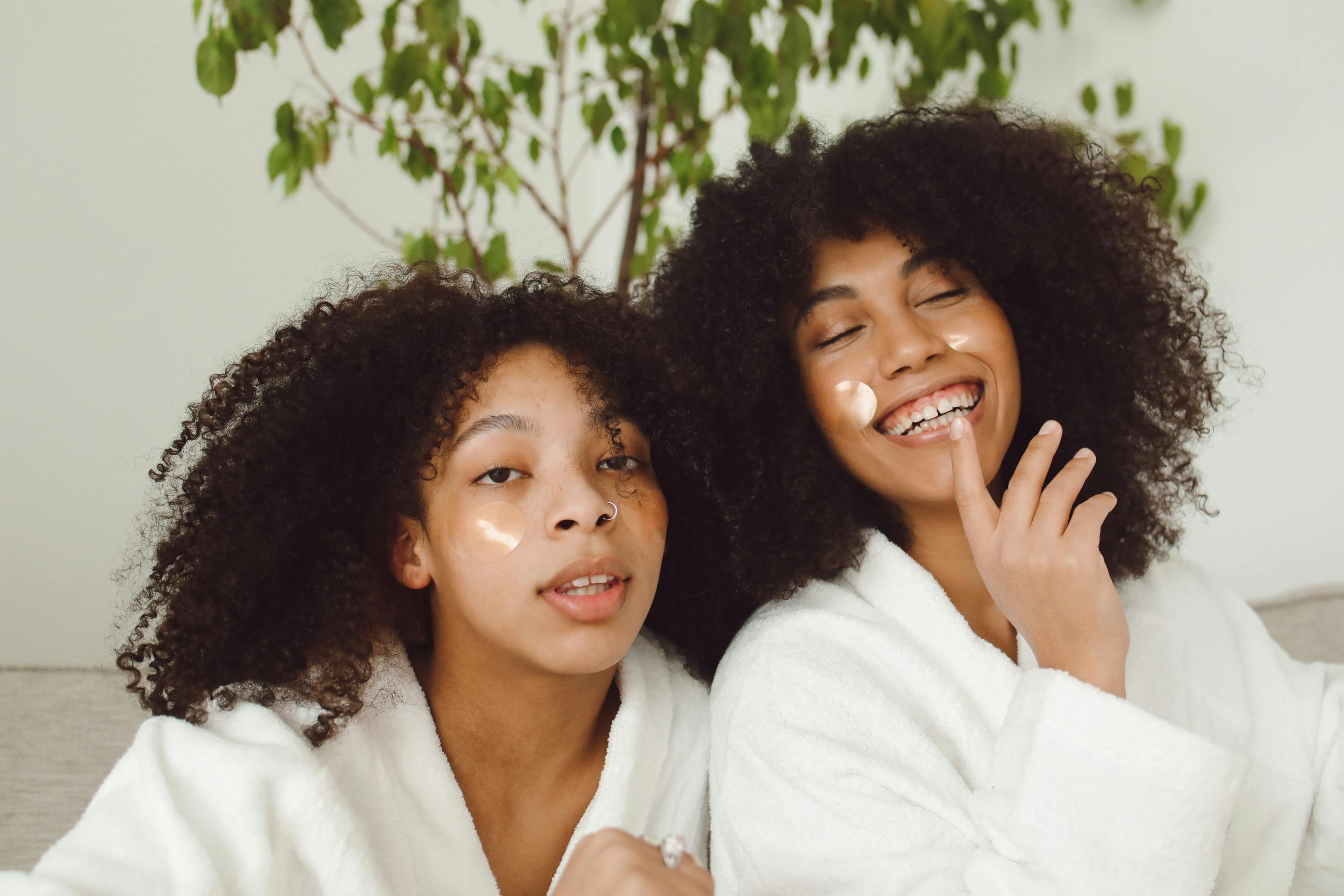
The beauty industry is experiencing a subtle but meaningful shift: consumers are turning away from polished, aspirational content and gravitating toward routines that feel realistic, repeatable, and genuinely useful. In 2026, viral beauty trends are increasingly emerging not from high-profile influencers or perfectly curated tutorials, but from everyday people sharing what actually works in real life. The appeal is clear—authenticity now outperforms perfection, and beauty is becoming less about spectacle and more about sustainability.
For years, the beauty internet was dominated by highly produced content. Influencers showcased extensive routines, expensive products, and flawless results under perfect lighting. While aspirational, that version of beauty often felt distant from the realities of daily life. Consumers admired it, but many struggled to replicate it. The gap between what looked good online and what felt manageable in real life grew wider, creating fatigue around beauty content that was visually impressive but practically inaccessible.
That fatigue has become a turning point. People are increasingly drawn to content that reflects their actual routines: five-minute skincare habits, makeup that survives a workday, products that simplify rather than complicate, and honest reviews from people with real schedules and budgets. Instead of dramatic transformations, audiences now value consistency, ease, and trust. The most compelling beauty content is no longer “look at what’s possible,” but “here’s what I actually do every day.”
This shift reflects broader cultural changes. Across wellness, productivity, and lifestyle, consumers are prioritizing habits that fit into real life rather than idealized versions of it. Beauty is following the same path. Structured routines, minimal products, and low-maintenance habits are gaining traction because they align with how people actually live. In this context, authenticity is not just a marketing angle—it is a form of relevance.
Social media is helping drive this transition, but in a different way than before. Short-form platforms have made it easier for ordinary users to share practical routines without needing a polished brand or large following. A quick video of someone’s morning skincare steps, honest acne recovery journey, or favorite low-effort makeup products can now outperform glossy campaigns because it feels trustworthy. The audience sees themselves in the routine, and that relatability builds stronger influence than perfection ever could.
Trust is central to why “real routine” beauty is winning. Consumers are more skeptical than ever of paid sponsorships, edited content, and unrealistic before-and-afters. They want transparency: what products are actually worth it, what habits are sustainable, and what results can realistically be expected. Everyday creators often offer that clarity because they are perceived as less performative and more honest. Their routines are shaped by lived experience, not content strategy.
Brands are paying attention. Beauty companies are increasingly shifting messaging away from unattainable perfection and toward practical outcomes—healthier skin, simpler routines, better consistency. Product development is also evolving, with more emphasis on multitasking formulas, skin barrier support, and products designed to fit seamlessly into daily life. The goal is no longer to inspire endless experimentation, but to become part of a routine people can stick with.
This trend is also changing how beauty success is defined. The old ideal of flawless, always-camera-ready skin is losing ground to something more grounded: skin that feels healthy, routines that feel manageable, and habits that reduce stress instead of adding to it. Beauty is becoming less about transformation and more about maintenance, comfort, and confidence.
Ultimately, “real routine” beauty is taking over because it reflects what people actually need now. In a world that feels increasingly fast, performative, and overwhelming, consumers are drawn to what feels honest, effective, and sustainable. Authenticity wins not because perfection disappeared, but because real life became more important than the fantasy. Beauty that fits into everyday life isn’t just more relatable—it’s more powerful.
Leave a Reply