
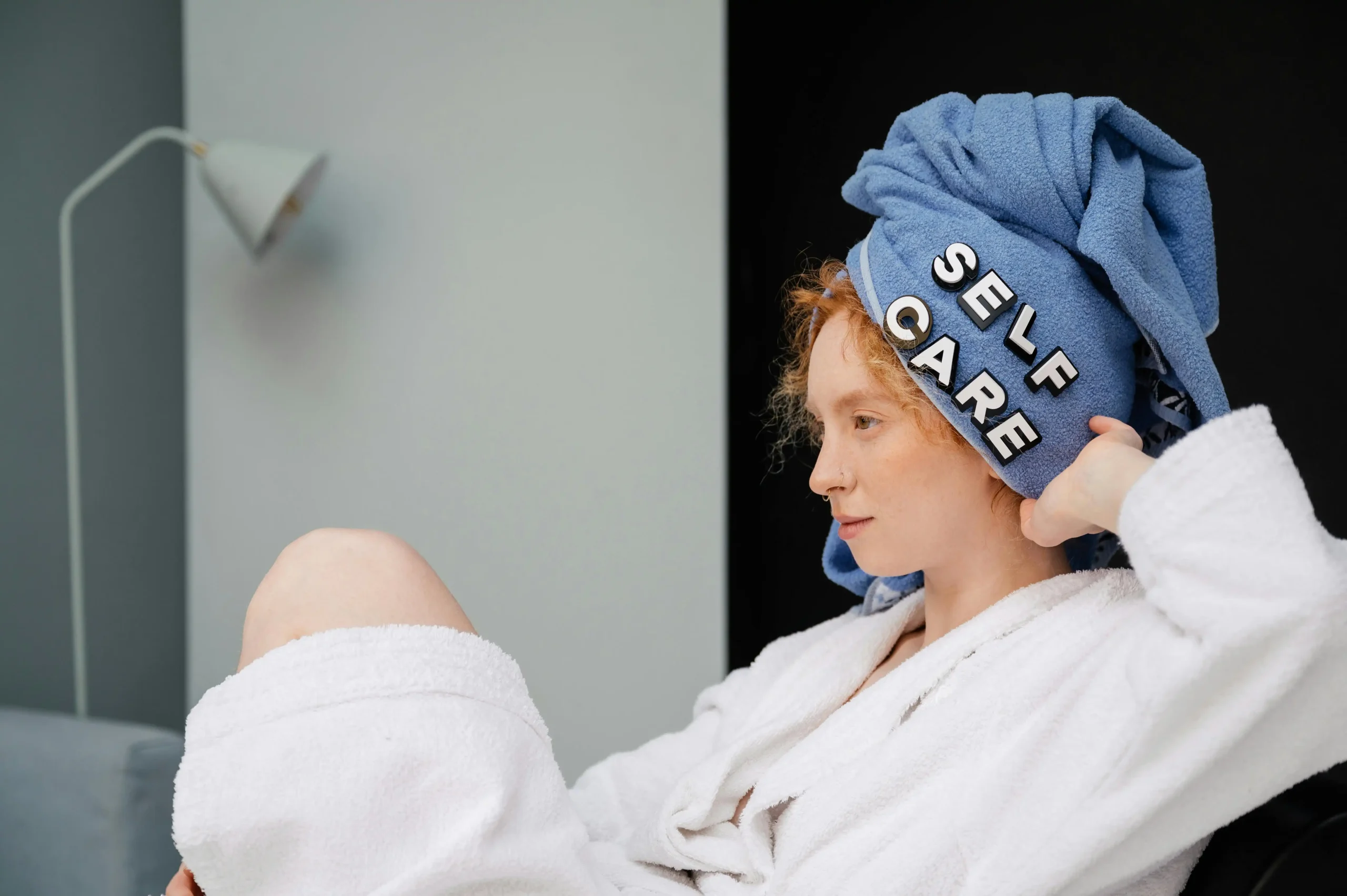
Self-care has become one of the most popular topics in modern lifestyle culture, especially across social media platforms where wellness routines, skincare rituals, and “reset days” often go viral. However, not everything labeled as self-care actually improves your wellbeing. In fact, many trends are more aesthetic than effective.
Real self-care is not about buying more products or copying influencer routines. It is about building habits that genuinely support your mental health, physical energy, and emotional balance over time.
In this article, we will explore self-care trends that actually improve your wellness—not just hype—and how you can apply them in a realistic, sustainable way.
Understanding Real Self-Care vs. Social Media Self-Care
Before discussing specific trends, it’s important to separate real self-care from what is often promoted online.
Social media self-care tends to focus on:
- Aesthetic routines
- Expensive wellness products
- Overly complicated morning and night rituals
- “Perfect” lifestyle content
While these may look appealing, they don’t always translate into real health improvements.
Real self-care, on the other hand, focuses on:
- Mental clarity
- Physical health
- Emotional stability
- Sustainable daily habits
The difference is simple: one is about appearance, the other is about impact.
1. Simple Morning Routines That You Can Actually Maintain
One of the most overhyped wellness trends is the “perfect morning routine.” Online, you often see routines that include meditation, journaling, yoga, skincare layering, affirmations, and more—all before 7 a.m.
In reality, most people cannot sustain that level of complexity.
Why simple routines work better:
A realistic morning routine reduces decision fatigue and helps you start the day with clarity instead of pressure.
What actually improves wellness:
- Drinking a glass of water immediately after waking
- Light stretching or a 5–10 minute movement session
- Basic skincare and hygiene
- A few minutes of planning your day
The goal is consistency, not perfection. A simple routine that you follow daily is far more powerful than a complicated one you abandon after a week.
2. Digital Boundaries Instead of Constant Connectivity
One of the most effective modern self-care practices is setting boundaries with digital devices. Many people underestimate how much constant screen exposure affects stress levels, sleep quality, and focus.
Why this trend actually works:
- Reduces mental overload
- Improves attention span
- Helps prevent burnout
- Supports better sleep cycles
Practical ways to apply it:
- Avoid checking your phone immediately after waking up
- Set “no screen” times during meals
- Limit social media scrolling before bed
- Take short offline breaks during the day
Unlike trendy digital detox retreats, small daily boundaries are more realistic and sustainable.
3. Walking as a Daily Mental Reset
Walking is one of the simplest yet most powerful wellness habits. It does not require equipment, memberships, or special training, but it provides significant mental and physical benefits.
Why walking improves wellness:
- Reduces stress hormones
- Improves circulation and heart health
- Enhances mood and creativity
- Helps regulate energy levels
How to incorporate it:
- Take a 15–30 minute walk daily
- Walk after meals to aid digestion
- Use walking as a break from work or screen time
- Listen to calming music or simply enjoy silence
Unlike intense fitness trends, walking is accessible to almost everyone and can be maintained long-term.
4. Mindful Eating Instead of Restrictive Diet Trends
Diet culture often promotes extreme restrictions, detox programs, or complicated meal plans. These approaches may work temporarily but are rarely sustainable.
Mindful eating, however, focuses on awareness rather than restriction.
Why it works:
- Improves relationship with food
- Helps prevent overeating
- Supports digestion and energy balance
- Reduces guilt around eating
How to practice mindful eating:
- Eat without distractions like phones or TV
- Slow down and chew properly
- Pay attention to hunger and fullness cues
- Choose balanced meals instead of extreme restrictions
This approach supports long-term health instead of short-term results.
5. Prioritizing Sleep Over Productivity Culture
One of the most underrated self-care trends is sleep optimization. In a culture that often glorifies productivity and hustle, sleep is frequently sacrificed.
However, sleep is one of the strongest foundations of overall wellness.
Why sleep is essential:
- Improves mental clarity and focus
- Supports emotional regulation
- Strengthens immune function
- Enhances physical recovery
Real sleep wellness habits:
- Maintain a consistent sleep schedule
- Reduce screen exposure before bedtime
- Create a calm and dark sleep environment
- Avoid caffeine late in the day
Unlike productivity hacks, prioritizing sleep improves every area of life naturally.
6. Journaling for Emotional Clarity and Stress Relief
Journaling remains one of the most effective wellness tools because it helps organize thoughts and process emotions.
Why journaling works:
- Reduces mental clutter
- Improves emotional awareness
- Helps manage stress and anxiety
- Encourages self-reflection
Simple journaling methods:
- Write down 3 things you are grateful for
- Do a “brain dump” of thoughts before bed
- Reflect on your mood and triggers
- Set intentions for the next day
Journaling does not need to be aesthetic or structured to be effective—it just needs to be consistent.
7. Setting Boundaries as a Form of Self-Respect
Boundary setting is one of the most powerful but often overlooked self-care practices.
Many people associate self-care with relaxation, but protecting your time and energy is equally important.
Why boundaries improve wellness:
- Prevent emotional and physical burnout
- Improve relationships
- Strengthen self-esteem
- Protect mental energy
Examples of healthy boundaries:
- Saying no to unnecessary commitments
- Limiting after-hours work communication
- Reducing exposure to negative environments
- Protecting personal time for rest
Boundaries are not about isolation—they are about balance.
8. Spending Time in Nature for Mental Recovery
Nature exposure is a scientifically supported wellness practice that helps reset the mind and body.
Benefits include:
- Lower stress levels
- Improved mood and emotional stability
- Enhanced concentration
- Better overall mental recovery
Easy ways to include nature in your routine:
- Walk in parks or green spaces
- Sit outdoors during breaks
- Spend weekends in natural environments
- Open windows for fresh air when indoors
Even small moments of nature exposure can significantly improve mental wellbeing.
9. Hydration as a Foundational Wellness Habit
Hydration is often overlooked because it seems too simple, but it plays a major role in energy levels, skin health, and cognitive function.
Why hydration matters:
- Supports brain performance
- Helps regulate body temperature
- Improves skin appearance
- Maintains energy balance
Easy hydration habits:
- Drink water first thing in the morning
- Carry a water bottle throughout the day
- Set reminders if needed
- Add natural flavors like lemon or cucumber
This is one of the simplest but most effective wellness habits.
10. Emotional Check-Ins for Mental Awareness
Modern self-care increasingly emphasizes emotional awareness. Ignoring emotions can lead to burnout, stress buildup, and mental fatigue.
Why emotional check-ins matter:
- Improve self-understanding
- Help manage stress better
- Prevent emotional overload
- Encourage healthier coping mechanisms
How to practice:
- Ask yourself how you feel each day
- Reflect without judgment
- Talk to someone you trust when needed
- Acknowledge emotions instead of suppressing them
This habit builds long-term emotional resilience.
11. Why Most Wellness Trends Fail
Many wellness trends fail because they are:
- Too complicated
- Expensive
- Not sustainable
- Based on appearance rather than function
True wellness does not require perfection. It requires consistency and simplicity.
The most effective habits are often the least glamorous—but they are the ones that actually improve your life.
12. Building a Real Self-Care Lifestyle
Instead of following every new trend, focus on building a personal system that works for your life.
A realistic self-care lifestyle includes:
- Simple daily routines
- Healthy boundaries
- Basic physical activity
- Emotional awareness
- Consistent rest and recovery
You do not need everything at once. Even small improvements can create meaningful long-term changes.
Conclusion: Real Self-Care is Simple, Not Performative
Self-care is often marketed as something complicated, aesthetic, and expensive. In reality, the most powerful wellness habits are simple, consistent, and practical.
Trends come and go, but habits like walking, sleeping well, staying hydrated, setting boundaries, and practicing mindfulness remain effective across time.
True wellness is not about doing more—it is about doing what actually supports your mind and body.
When you focus on real self-care instead of hype, you create a lifestyle that is not only healthier but also more sustainable and fulfilling in the long run.
Leave a Reply