
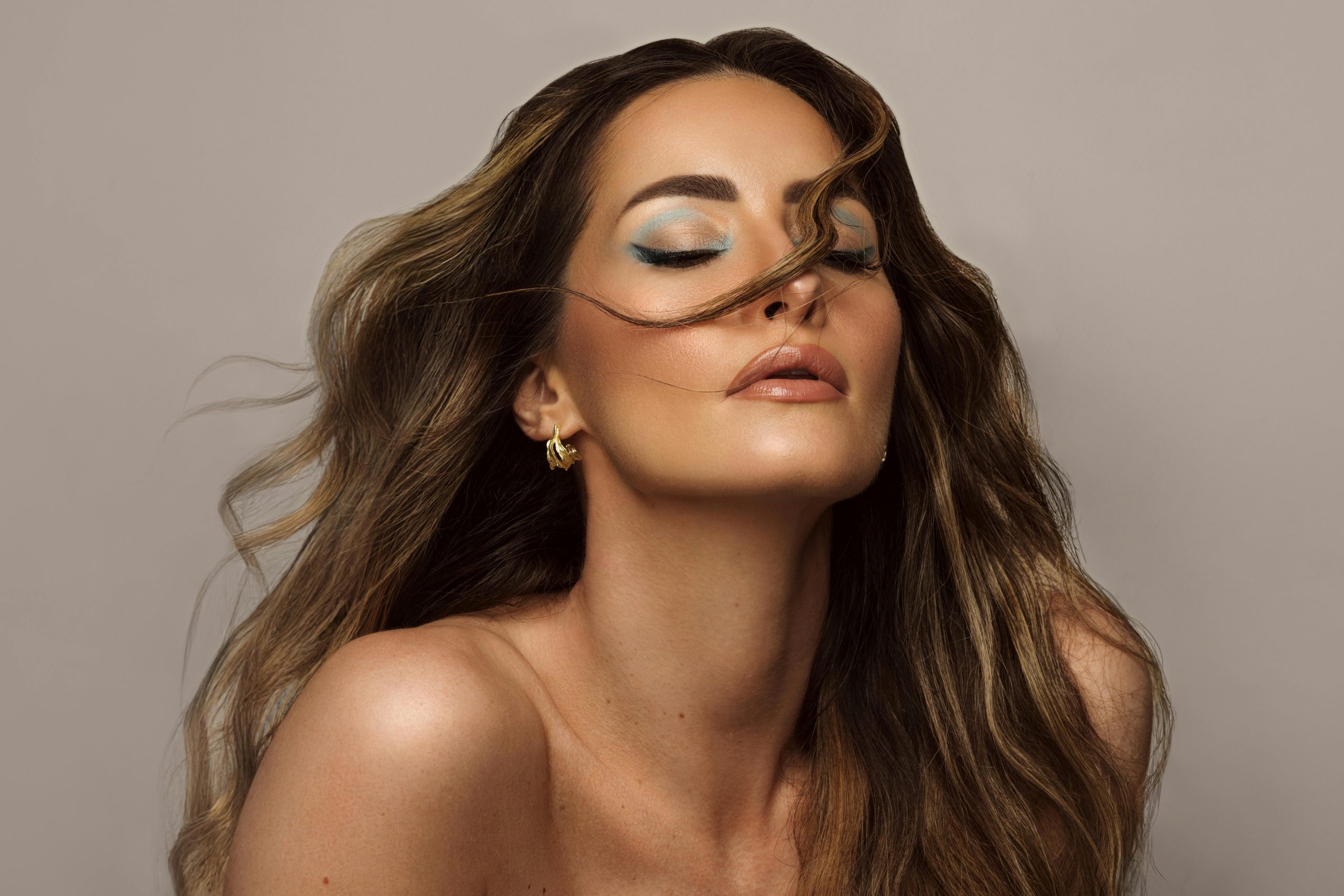
In 2026, beauty trends continue shifting toward restraint, balance, and refinement. Among all aesthetics circulating across social platforms, soft glam has become one of the most consistently popular directions, driven by its focus on minimal makeup, glowing skin, and natural enhancement rather than heavy transformation.
Unlike high-intensity makeup styles that emphasize bold color, sharp contouring, or dramatic contrast, soft glam is built around subtle definition. The goal is not to change facial features, but to enhance them in a way that feels effortless and clean.
This approach reflects a broader change in how beauty is being consumed online. On fast-moving platforms like TikTok and Instagram, looks that translate well on camera without appearing overly constructed tend to perform better. Soft glam fits this environment because it feels polished while still maintaining a sense of realism.
Skin has become the centerpiece of this aesthetic. Instead of layering heavy products, the focus is on hydration, even tone, light coverage, and natural radiance. Makeup is used more as enhancement than concealment, allowing texture and individuality to remain visible.
The popularity of soft glam is also tied to lifestyle fatigue around overly complex beauty routines. Many consumers are moving away from time-intensive application processes in favor of faster, more repeatable routines that still deliver a finished, presentable look.
Social media creators have played a major role in normalizing this shift. Short-form tutorials, “get ready with me” videos, and skincare-to-makeup transitions have made minimal beauty routines more accessible and easier to replicate. The emphasis is on achievable results rather than professional-level artistry.
Another factor driving the trend is versatility. Soft glam works across different settings—casual environments, work contexts, events, and digital content creation—without requiring a complete change in style. That adaptability makes it especially appealing in fast-paced, multi-platform lifestyles.
There is also a cultural movement toward “natural enhancement” in beauty. Rather than masking features, the emphasis is on supporting skin health and using makeup to complement rather than conceal. This aligns with growing interest in skincare routines, long-term skin maintenance, and wellness-oriented beauty habits.
Even brand marketing has adapted to this shift. Campaigns increasingly highlight dewy finishes, lightweight formulas, and minimal application techniques. The language of beauty advertising now often centers around glow, softness, and effortless refinement instead of transformation.
Ultimately, soft glam continues to dominate because it reflects a broader 2026 aesthetic preference: people want to look polished without appearing overproduced. It is beauty designed for both real life and the camera, balancing simplicity with quiet sophistication.
Leave a Reply