
Introduction
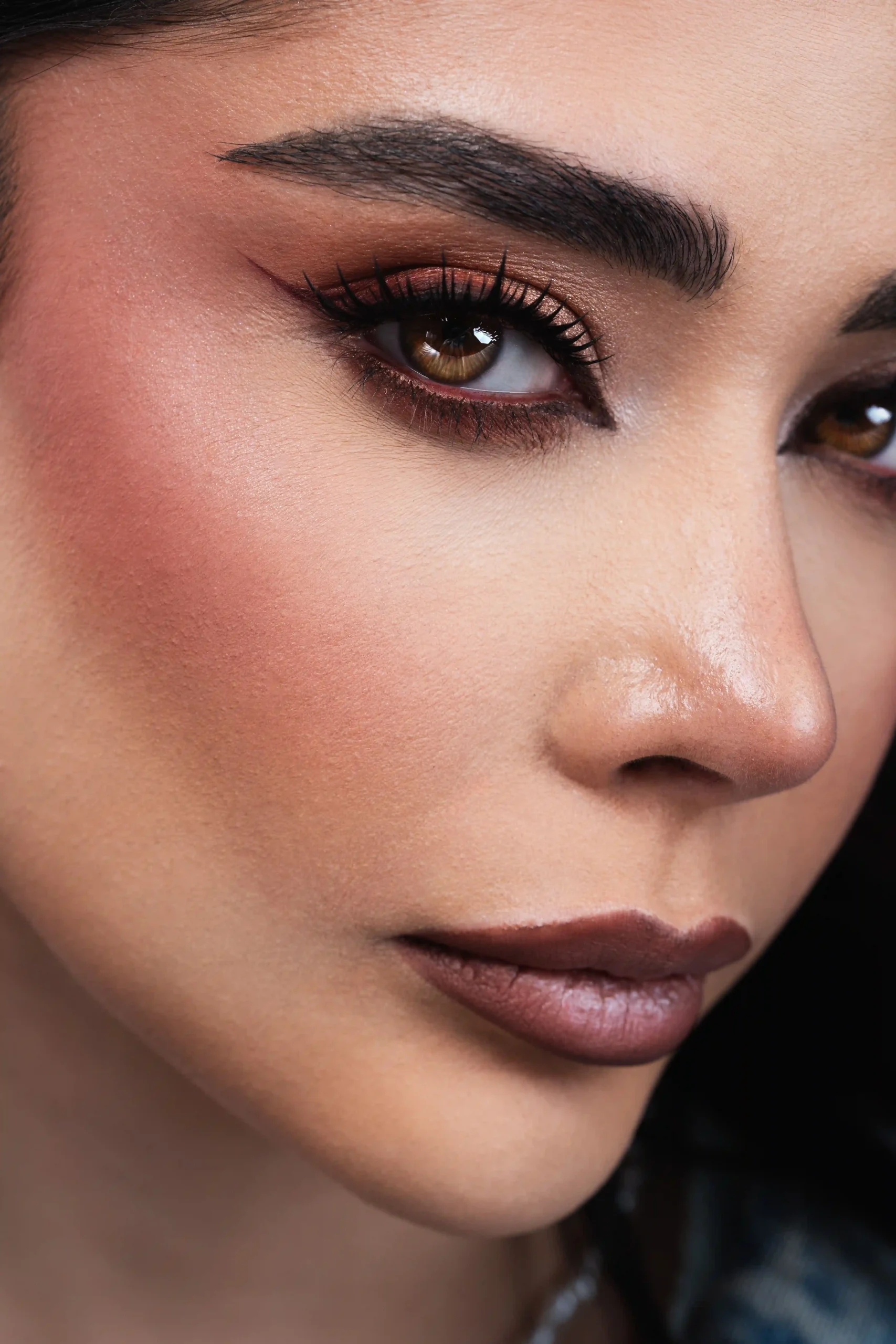
Beauty trends come and go, but every so often, a makeup technique emerges that completely changes the way people approach their daily routine. One of the biggest trends making waves across the beauty industry is high-placement blush. Once considered simply a finishing touch to add color to the cheeks, blush has evolved into one of the most powerful tools for sculpting, lifting, and brightening the face. Instead of applying blush directly on the apples of the cheeks as many people were taught, makeup artists now recommend placing it higher along the cheekbones and blending it toward the temples to create a naturally lifted appearance.
High-placement blush has become a favorite among professional makeup artists, beauty influencers, celebrities, and everyday makeup lovers because it creates an instant illusion of higher cheekbones, a more youthful complexion, and a refreshed appearance without requiring complicated contouring techniques. The trend proves that sometimes changing where you place a product is more impactful than buying expensive new cosmetics.
Unlike dramatic contouring that relies on shadows and sharp definition, high-placement blush works by enhancing the natural structure of the face through strategic color placement. It gives warmth, dimension, and vibrancy while subtly lifting facial features. The result is a softer, healthier look that photographs beautifully and works well for both natural daytime makeup and glamorous evening styles.
As makeup continues to move toward fresh, radiant, skin-like finishes, high-placement blush perfectly complements modern beauty preferences. Whether someone prefers minimal makeup or full glam, learning this technique can instantly elevate an entire makeup routine. Understanding why it works, how to apply it correctly, and which products perform best can help anyone achieve a naturally sculpted finish without looking overdone.
What Is High-Placement Blush?
High-placement blush is exactly what its name suggests. Instead of concentrating blush on the center or apples of the cheeks, the product is applied higher on the face, following the upper cheekbones and extending toward the temples. This placement draws the eye upward, creating the visual illusion of lifted facial features.
Traditional blush placement focused on creating a youthful flush by smiling and applying color directly to the rounded part of the cheeks. While this technique still works well for certain face shapes and makeup styles, it can sometimes emphasize fullness in the lower face or make the cheeks appear rounder than intended.
High-placement blush takes a different approach. Rather than centering the color, it follows the natural bone structure of the face. Because the blush sits higher, it visually elongates the face, enhances the cheekbones, and creates subtle definition without relying heavily on contour products.
This technique has become especially popular because it pairs beautifully with today’s preference for natural-looking makeup. Instead of obvious sculpting, high-placement blush delivers a healthy glow while simultaneously improving facial balance.
Why High-Placement Blush Became a Beauty Trend
The popularity of high-placement blush did not happen overnight. It developed alongside the shift toward softer, fresher makeup looks that emphasize healthy skin rather than heavy layers of foundation and contour.
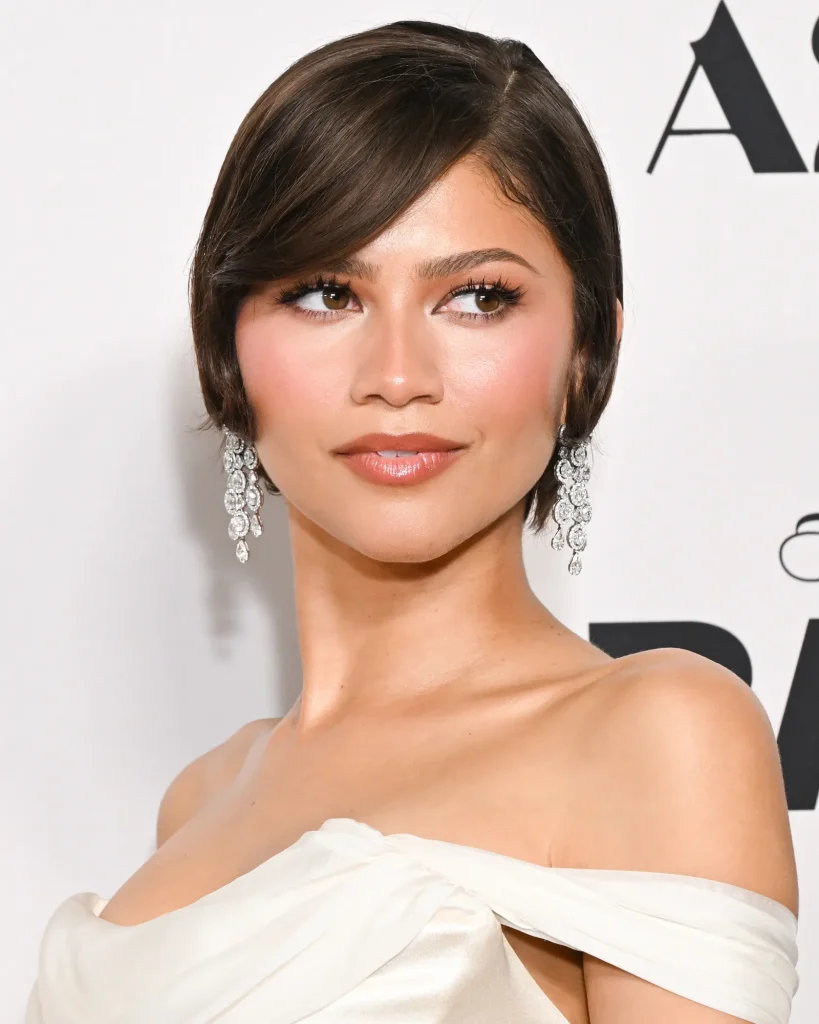
Social media platforms introduced millions of people to professional makeup techniques that were once reserved for editorial photoshoots and celebrity artists. Beauty creators demonstrated how changing blush placement could dramatically transform the face in just a few seconds. Side-by-side comparisons quickly showed viewers that lifting blush upward instantly made the face appear more youthful and refreshed.
Another reason for the trend’s popularity is its versatility. Unlike highly sculpted contour looks that require precision and multiple products, high-placement blush is simple enough for beginners while still delivering professional-looking results.
Many celebrities have also embraced the technique because it photographs exceptionally well. Whether under natural lighting or studio photography, lifted blush creates healthy dimension without looking harsh or overly dramatic.
The rise of cream blushes, liquid blushes, and lightweight formulas has further fueled this trend. These modern products blend effortlessly into the skin, making high-placement application even easier and more forgiving than traditional powder formulas.
How High-Placement Blush Creates a Lifted Appearance
One of the reasons this technique works so well is because of how our eyes naturally interpret shape and color. Human vision tends to follow lines and placement. When blush sits higher on the face, attention is naturally drawn upward toward the eyes and temples instead of downward toward the jawline.
This optical illusion creates several flattering effects simultaneously. The cheekbones appear more prominent because the blush follows their natural structure. The eyes seem brighter because the color sits closer to them. The face appears elongated rather than wide, giving an overall lifted impression.
Unlike contour, which creates shadows to define facial structure, blush adds warmth and life to the complexion. The combination of lifted placement and healthy color creates the appearance of naturally youthful skin rather than obvious makeup.
Even subtle adjustments in blush placement can significantly affect the overall appearance of the face. Many people are surprised that simply moving blush upward by an inch can completely transform the balance of their features.
Benefits of Using High-Placement Blush
One of the greatest advantages of high-placement blush is its ability to flatter nearly every age group. Younger individuals appreciate the sculpted effect, while mature skin often benefits from the lifting illusion that counteracts the appearance of facial sagging.
Another major benefit is versatility. The technique works well with minimal makeup routines as well as full-glam applications. It complements natural skin finishes, radiant foundations, matte looks, and everything in between.
Because blush naturally adds warmth to the complexion, high-placement application helps eliminate flat-looking makeup. Foundation can sometimes create an even canvas that lacks dimension, but strategically placed blush restores life to the skin without making the makeup appear heavy.
High-placement blush is also incredibly customizable. Makeup artists can adjust the placement, intensity, and blending based on different face shapes, skin tones, and desired finishes. Someone seeking a soft everyday appearance can apply a light wash of color, while evening makeup may feature more saturated pigmentation for added drama.
Perhaps one of its most appealing benefits is that it reduces the need for extensive contouring. Many people find they can simplify their makeup routine while still achieving beautifully sculpted results.
Choosing the Right Blush Formula
The success of high-placement blush depends not only on placement but also on selecting the right formula. Fortunately, today’s beauty market offers several excellent options designed for different skin types and preferences.
Cream blush has become one of the most popular choices because it blends seamlessly into the skin, creating a natural finish that mimics a healthy flush. Cream formulas are especially suitable for dry or mature skin because they provide hydration while preventing makeup from appearing cakey.
Liquid blush offers buildable pigmentation and long-lasting wear. A tiny amount often goes a long way, making it important to apply sparingly before blending thoroughly. Liquid formulas work exceptionally well underneath powder products for extended longevity.
Powder blush remains a classic option. Modern powder formulas are finely milled and easier to blend than older versions, allowing users to build color gradually. Those with oily or combination skin often appreciate powder blush because it helps control shine while maintaining color throughout the day.
Stick blush combines convenience with versatility. These portable products are easy to apply directly to the skin before blending with fingers, brushes, or makeup sponges. They are ideal for quick touch-ups and travel-friendly beauty routines.
Regardless of formula, the key is selecting products that blend effortlessly into the complexion rather than sitting heavily on top of the skin. Smooth blending creates the soft transition necessary for achieving the signature lifted appearance.
The Best High-Placement Blush Technique for Every Face Shape
Although high-placement blush is universally flattering, making slight adjustments based on your face shape can maximize the lifting effect. Every face has unique proportions, and understanding how to position blush accordingly helps create the most balanced appearance.
For those with a round face, placing blush high on the outer cheekbones and blending it toward the temples creates the illusion of a longer, slimmer face. Keeping most of the color on the outer half of the face prevents the cheeks from appearing overly full while emphasizing natural bone structure.
People with oval faces often have the greatest flexibility because their facial proportions are naturally balanced. Applying blush along the upper cheekbones and softly sweeping it toward the temples enhances their existing shape while maintaining harmony throughout the face.
Square face shapes benefit from blush that softens angular features. Positioning blush slightly above the cheekbones and blending upward creates gentle curves that balance a stronger jawline. The result is a softer, more youthful appearance without diminishing the face’s natural definition.
Heart-shaped faces usually feature a wider forehead and a narrower chin. Applying blush high on the cheeks while avoiding excessive color near the temples helps create visual balance between the upper and lower portions of the face. A light hand ensures the overall effect remains soft and natural.
Long face shapes can also enjoy high-placement blush by concentrating the color on the upper cheekbones while blending outward rather than excessively upward. This technique adds width to the face without making it appear even longer.
These subtle placement adjustments demonstrate that makeup is not about following one universal rule but rather enhancing each individual’s unique facial features.
Choosing the Best Blush Color for Your Skin Tone
Selecting the right shade is just as important as mastering the placement. Even the most perfectly applied blush can appear unnatural if the color does not complement the skin’s undertones.
Fair skin tones often look radiant with soft pinks, light peaches, pale corals, and delicate rose shades. These colors mimic the natural flush of the skin while maintaining a fresh appearance.
Light to medium skin tones have the advantage of wearing a wide range of colors, including warm peach, apricot, rosy pink, coral, and soft mauve. These shades add warmth without overwhelming the complexion.
Medium to tan skin tones are beautifully complemented by richer corals, terracotta, warm rose, cinnamon, berry, and sunset-inspired shades. These colors provide healthy warmth while enhancing golden undertones.
Deep skin tones shine with vibrant berry hues, rich plum, deep rose, burnt orange, brick red, and bold coral tones. These richly pigmented shades create dimension while preserving the natural richness of the complexion.
Understanding undertones also plays a significant role. Cool undertones generally pair well with pink, berry, and rosy shades, while warm undertones are enhanced by peach, coral, and terracotta colors. Neutral undertones can typically wear both warm and cool shades with equal success.
Choosing the right color allows high-placement blush to blend seamlessly into the complexion, creating the healthy glow that defines this makeup trend.
How to Apply High-Placement Blush Step by Step
Achieving a lifted blush look is surprisingly simple once the basic technique is understood. Preparation begins with a smooth base, whether that consists of skincare alone or foundation, concealer, and setting products.
Start by identifying the highest point of the cheekbone. Instead of smiling and applying blush directly to the apples of the cheeks, position the brush or applicator slightly higher, close to the outer portion of the cheekbone.
Apply a small amount of blush and gradually build intensity. It is always easier to add more product than to remove excess color.
Blend upward toward the temples using light sweeping or tapping motions, depending on the formula. Cream and liquid blushes often blend beautifully with a damp makeup sponge, fingertips, or a dense synthetic brush. Powder blush typically performs best with a fluffy blush brush that diffuses pigment evenly.
The goal is to create a seamless gradient rather than a concentrated patch of color. The blush should melt naturally into the complexion without visible edges.
Some makeup artists extend a small amount of blush across the temples for additional harmony. This subtle continuation creates a cohesive, lifted effect that frames the eyes beautifully.
Finally, assess both sides of the face under natural lighting whenever possible. Balanced placement ensures the overall makeup appears polished and symmetrical.
Common High-Placement Blush Mistakes to Avoid
Like any makeup technique, high-placement blush requires balance. One of the most common mistakes is applying too much product too quickly. Highly pigmented blushes can become difficult to blend if applied heavily from the beginning. Building color gradually produces a more natural finish.
Another mistake involves placing blush too close to the nose. Concentrating color near the center of the face can make features appear wider rather than lifted. Keeping the blush on the outer portion of the cheekbones preserves the upward illusion.
Insufficient blending is another frequent issue. Visible lines or harsh edges interrupt the soft transition that makes high-placement blush so effective. Taking extra time to blend creates a more seamless and professional appearance.
Using the wrong shade for your skin tone may also reduce the effectiveness of the technique. Colors that are too light can disappear, while overly bright shades may dominate the face instead of enhancing it.
Ignoring the overall makeup balance is another common oversight. High-placement blush should complement foundation, bronzer, highlighter, and eye makeup rather than compete with them. When every element works together, the final look appears cohesive and naturally elegant.
Pairing High-Placement Blush with Bronzer and Highlighter
High-placement blush becomes even more effective when paired thoughtfully with bronzer and highlighter. These products work together to create depth, warmth, and luminosity without relying on heavy contour.
Bronzer should generally sit slightly below the blush, following the natural hollows beneath the cheekbones. This placement provides subtle definition while allowing the blush to remain the focal point of the lifted effect.
Highlighter works best on the highest points of the cheekbones, just above where the blush is applied. This catches the light beautifully, further enhancing the illusion of elevated facial features.
The transition between bronzer, blush, and highlighter should remain smooth and gradual. Harsh separations between products can make the makeup appear unnatural. Instead, each product should blend effortlessly into the next, creating soft dimension across the face.
Many makeup artists now favor lighter contouring combined with brighter blush placement because it produces healthier, fresher results that complement modern beauty trends focused on radiant skin.
Professional Makeup Artist Tips for High-Placement Blush
Professional makeup artists often emphasize that placement matters more than the amount of product used. Even a small amount of well-positioned blush can dramatically improve facial balance.
Many artists recommend applying blush before setting powder when using cream formulas. This allows the product to melt into the skin naturally before being locked into place.
Another expert technique involves lightly layering different blush formulas. A cream blush provides a natural base, while a matching powder blush adds longevity without creating heaviness.
Blending tools also make a difference. Dense brushes provide stronger pigmentation, while fluffy brushes diffuse color more softly. Makeup sponges create a seamless airbrushed finish that works particularly well with liquid and cream products.
Lighting plays an important role during application. Natural daylight offers the most accurate representation of how blush appears throughout the day, helping prevent overapplication.
Professional artists also encourage stepping back from the mirror after application. Viewing the face from a normal distance provides a more realistic impression than examining every detail up close.
Why High-Placement Blush Is Here to Stay
Unlike short-lived beauty fads, high-placement blush aligns with long-term shifts in the makeup industry. Consumers increasingly prefer techniques that enhance natural beauty instead of dramatically altering facial features.
The trend works across every age group, skin tone, makeup style, and experience level. Beginners appreciate its simplicity, while professionals enjoy its versatility and photographic appeal.
As cosmetic formulas continue to improve, achieving seamless, lifted blush application becomes even easier. Cream, liquid, powder, and stick products now offer exceptional blendability, making the technique accessible to virtually everyone.
High-placement blush also complements other popular trends, including glowing skin, lightweight foundation, minimal contour, and skin-first beauty routines. Because it integrates effortlessly with these modern approaches, its popularity is likely to continue for years to come.
Conclusion
High-placement blush has transformed the way makeup enthusiasts think about one of the oldest cosmetics in the beauty industry. Rather than serving as a simple pop of color, blush has become a powerful tool for enhancing facial structure, creating youthful dimension, and delivering an effortlessly lifted appearance.
By positioning blush along the upper cheekbones and blending it toward the temples, anyone can achieve a fresher, brighter, and more sculpted look without relying on complicated contouring techniques. The beauty of this trend lies in its simplicity. Small adjustments in placement can dramatically change the overall balance of the face while preserving a natural finish.
Success with high-placement blush depends on understanding your face shape, choosing colors that complement your skin tone, selecting formulas that blend easily, and applying the product with patience and precision. Whether you prefer cream, liquid, powder, or stick blush, the technique remains adaptable to every makeup routine and personal style.
As beauty trends continue to celebrate individuality and healthy-looking skin, high-placement blush stands out as more than just a passing trend. It represents a smarter, more refined approach to makeup—one that enhances natural features instead of masking them. By mastering this technique, you can create a radiant, lifted complexion that looks elegant, timeless, and effortlessly beautiful for any occasion.
Leave a Reply