
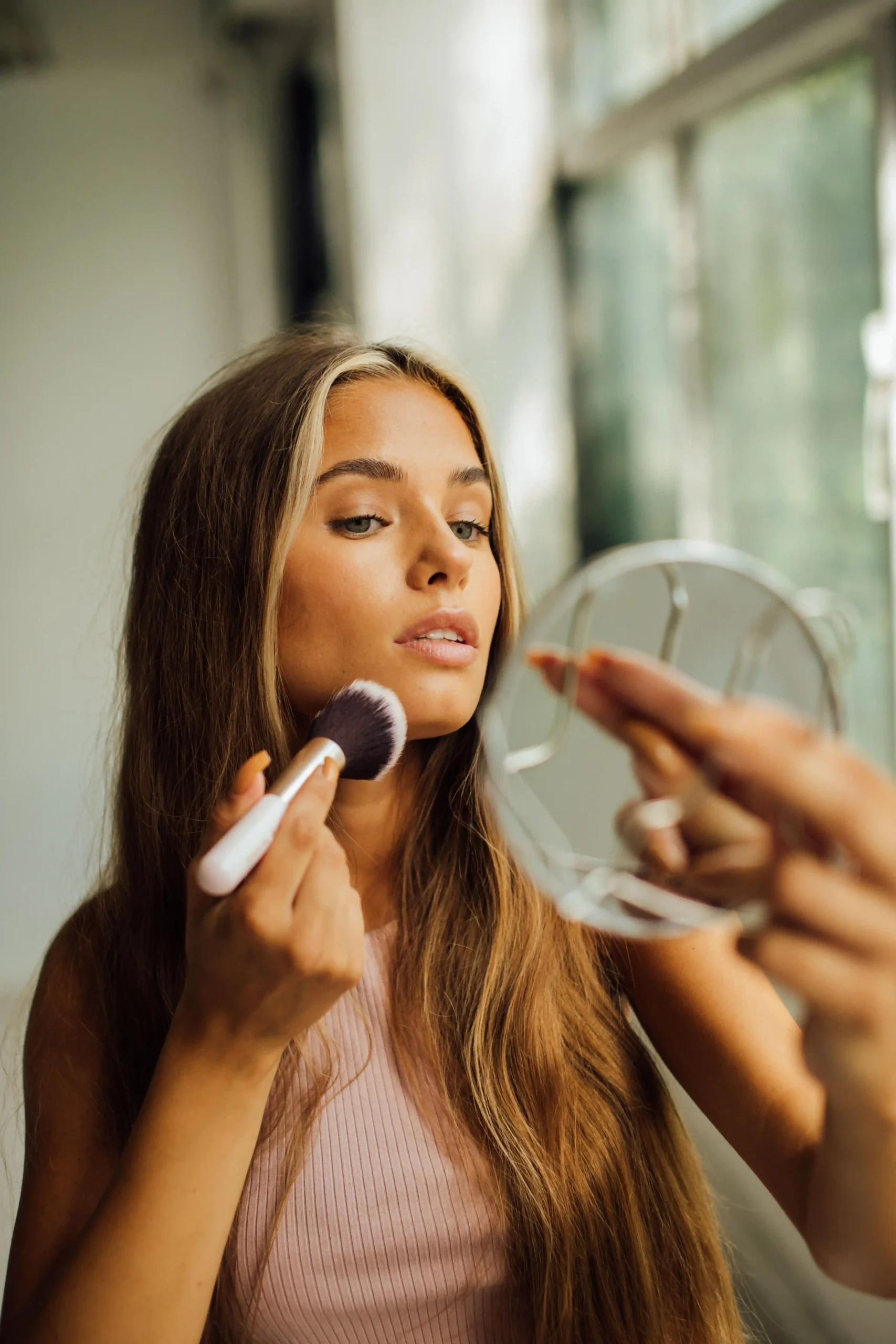
A flawless makeup look can boost your confidence and help you feel polished for any occasion. However, keeping your makeup fresh from morning until night can be challenging. Heat, humidity, excess oil, sweat, and everyday activities often cause foundation to fade, eyeshadow to crease, mascara to smudge, and lipstick to wear off long before the day ends.
The good news is that long-lasting makeup isn’t just about using expensive cosmetics. The secret lies in combining the right skincare routine, quality products, and proper application techniques. Professional makeup artists know that every step—from cleansing your skin to applying the final setting spray—plays an important role in keeping makeup in place.
Whether you’re preparing for a full workday, a wedding, a night out, or simply want your makeup to stay fresh without constant touch-ups, a few small changes to your routine can make a significant difference. Choosing products that suit your skin type and applying them correctly helps create a finish that looks natural while standing up to daily wear.
In this guide, you’ll discover 15 expert tips that can help extend the life of your makeup and keep your complexion looking smooth, vibrant, and flawless all day.
Why Makeup Doesn’t Last All Day
Before learning how to make your makeup last longer, it helps to understand why it fades. Throughout the day, your skin naturally produces oil that can break down foundation and concealer. Sweat, humidity, and frequent face touching also contribute to makeup wearing away more quickly.
Using products that don’t match your skin type, skipping primer, applying too much product, or forgetting to set your makeup can also reduce its longevity. By addressing these common causes, you can create a routine that helps your makeup stay fresh for hours.
1. Begin with Clean, Hydrated Skin
Long-lasting makeup starts with healthy skin. Cleanse your face to remove oil, dirt, and leftover skincare products before applying makeup. Follow with a lightweight moisturizer that suits your skin type to create a smooth base.
Even oily skin needs hydration. When skin becomes dehydrated, it often produces more oil to compensate, causing makeup to break down faster. Allow your moisturizer to absorb completely before moving on to the next step.
2. Always Apply a Primer
Primer creates a smooth surface that helps makeup adhere better to the skin while minimizing the appearance of pores and fine lines.
Choose a primer based on your skin’s needs. Mattifying primers work well for oily skin, while hydrating primers are better suited for dry skin. If you have combination skin, you can even use different primers on different areas of your face to target specific concerns.
3. Choose a Long-Wear Foundation
Not all foundations are designed to last all day. If longevity is your goal, look for formulas labeled as long-wear, transfer-resistant, sweat-resistant, or humidity-resistant.
Apply foundation in thin layers instead of one thick coat. Building coverage gradually creates a more natural finish and reduces the risk of creasing or caking later in the day.
4. Apply Concealer Only Where You Need It
Using excessive concealer can make makeup appear heavy and increase the likelihood of creasing. Instead, apply concealer only to areas that need extra coverage, such as under the eyes, around the nose, or over blemishes.
Blend carefully using a damp makeup sponge or brush to create a seamless finish that looks natural and lasts longer.
5. Set Your Makeup with Powder
A light dusting of translucent setting powder helps lock cream products in place while controlling excess shine throughout the day.
Focus on areas that tend to become oily, including the forehead, nose, and chin. Avoid applying too much powder, especially if you have dry skin, as it can emphasize texture and fine lines. Pressing powder into the skin with a puff often provides better staying power than sweeping it on with a brush.
6. Layer Cream and Powder Products
Professional makeup artists often combine cream and powder formulas for longer-lasting results. For example, applying a cream blush followed by a matching powder blush helps reinforce the color and improves durability.
This technique also works well for bronzer and contour. The cream creates a natural-looking base, while the powder locks everything in place without making the makeup appear heavy.
7. Use Waterproof Eye Makeup
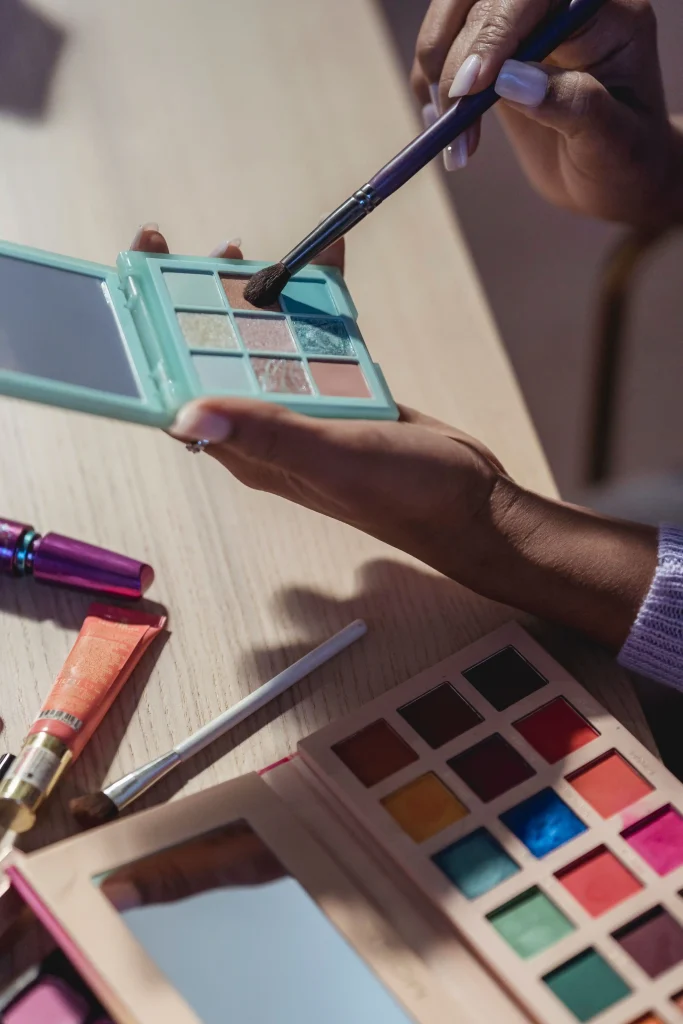
Eye makeup is one of the first areas to fade, especially in warm weather or during long days. Waterproof mascara and eyeliner are designed to resist moisture, sweat, and tears, helping prevent smudging throughout the day.
For even better results, apply an eyeshadow primer before your eyeshadow. It creates a smooth base, enhances color payoff, and minimizes creasing, allowing your eye makeup to stay vibrant for hours.
8. Lock Everything in Place with Setting Spray
Setting spray is the finishing touch that helps keep your makeup looking fresh for hours. It works by creating a lightweight, protective layer over your makeup, reducing the effects of heat, humidity, and everyday wear.
Choose a setting spray that matches your skin type. Matte formulas help control shine for oily skin, while hydrating sprays add a natural glow to dry skin. Hold the bottle about 8 to 10 inches away from your face and spray in an “X” and “T” motion for even coverage. Allow it to dry naturally for the best results.
9. Blot Oil Instead of Adding More Powder
It’s normal for your skin to become oily as the day goes on, but repeatedly applying powder can make your makeup look thick and cakey. Instead, use blotting papers to absorb excess oil without disturbing your foundation.
Once you’ve removed the shine, apply a light touch of pressed powder only if needed. This simple step helps maintain a fresh, natural finish while preventing product buildup.
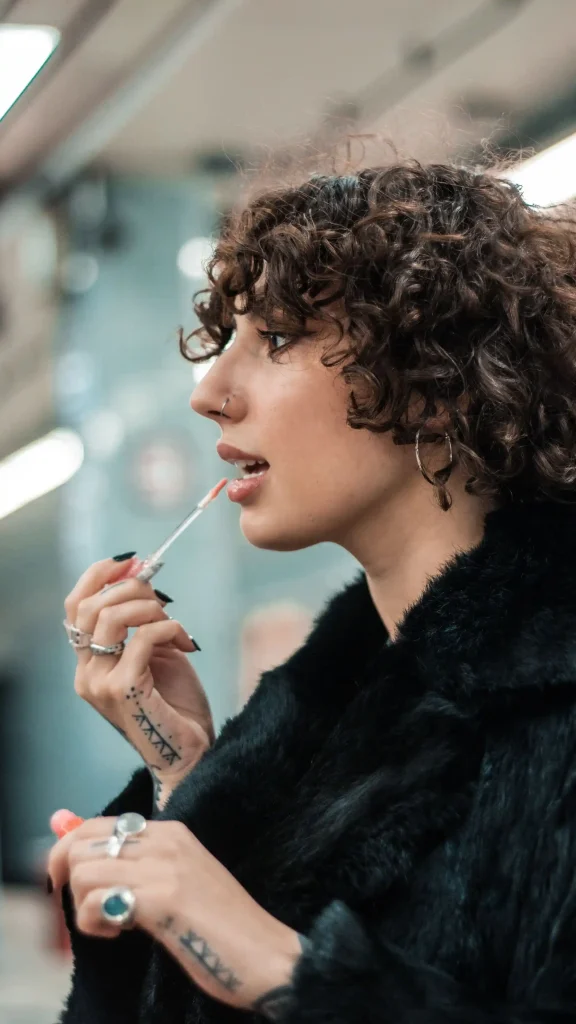
10. Make Your Lipstick Last Longer
Lipstick often fades after eating, drinking, or talking, but a few extra steps can significantly improve its staying power. Start by gently exfoliating your lips and applying a lightweight lip balm to create a smooth base.
Outline and fill in your lips with a matching lip liner before applying lipstick. The liner acts as a base that helps the color stay in place longer. For added longevity, blot your lipstick with a tissue and apply a second thin layer.
11. Avoid Touching Your Face
Touching your face throughout the day transfers oil, dirt, and bacteria from your hands onto your makeup. This can cause foundation to wear away faster and increase the risk of breakouts.
If you need to remove shine or fix your makeup, use blotting papers, a clean makeup sponge, or a powder puff instead of rubbing your face with your hands. Developing this simple habit can help preserve your makeup and improve your skin’s overall health.
12. Choose Products That Match Your Skin Type
Using makeup designed for your skin type can dramatically improve how long it lasts. People with oily skin often benefit from oil-free, matte, and long-wear formulas that help control shine throughout the day.
If you have dry skin, look for hydrating foundations and primers that prevent flaking and create a smooth finish. Combination skin may require different products for different areas of the face, while sensitive skin benefits from fragrance-free and non-comedogenic formulas that reduce the risk of irritation.
13. Clean Your Makeup Tools Regularly
Dirty makeup brushes and sponges don’t just harbor bacteria—they can also affect how your makeup applies. Product buildup and excess oil on your tools can lead to streaky application, uneven blending, and shorter wear time.
Wash brushes at least once a week using a gentle brush cleanser or mild soap. Makeup sponges should be cleaned after every few uses and replaced regularly. Clean tools help your makeup apply more evenly and support healthier-looking skin.
14. Keep a Small Touch-Up Kit
Even the best makeup routine may need a quick refresh after several hours. Carrying a few essential products makes touch-ups fast and easy without having to redo your entire face.
A compact touch-up kit can include blotting papers, pressed powder, lipstick, lip balm, a small concealer, and a travel-sized setting spray. These essentials are perfect for refreshing your makeup after meals, commuting, or spending time outdoors.
15. Remove Your Makeup Properly Every Night
Long-lasting makeup starts with healthy skin, and healthy skin begins with proper makeup removal. Sleeping in makeup can clog pores, cause breakouts, and leave residue that affects how makeup applies the next day.
Use a gentle makeup remover or cleansing balm to dissolve makeup completely, then follow with a facial cleanser to remove any remaining impurities. Finish your evening routine with a moisturizer suited to your skin type to restore hydration while you sleep. Consistently caring for your skin helps create a smoother canvas for flawless makeup application every morning.
Conclusion
Making your makeup last all day isn’t about using more products—it’s about using the right products in the right way. A consistent skincare routine, proper skin preparation, lightweight application techniques, and high-quality long-wear formulas all contribute to a makeup look that stays fresh from morning until night.
Remember that every person’s skin is different, so don’t be afraid to experiment with primers, foundations, powders, and setting sprays until you find the combination that works best for your skin type and lifestyle. Small changes, such as applying thinner layers, using blotting papers instead of excessive powder, and finishing with a setting spray, can make a noticeable difference in your makeup’s longevity.
By following these 15 expert tips, you’ll spend less time worrying about touch-ups and more time enjoying a flawless, confident look that lasts throughout your day.
Frequently Asked Questions
How can I make my makeup last longer in hot and humid weather?
Prepare your skin with a lightweight moisturizer and a mattifying primer, choose long-wear and waterproof makeup products, set your makeup with translucent powder, and finish with a long-lasting setting spray. Carry blotting papers to absorb oil instead of applying multiple layers of powder.
Does primer really help makeup last longer?
Yes. Primer creates a smoother surface for makeup application, improves product adhesion, and helps reduce the effects of oil, sweat, and humidity. Choosing a primer formulated for your skin type can significantly extend the wear of your makeup.
Should I use powder or setting spray?
For the best results, use both. Setting powder locks cream products in place and controls shine, while setting spray helps blend all the layers together and increases your makeup’s resistance to fading throughout the day.
Why does my foundation separate after a few hours?
Foundation can separate because of excess oil, applying too much product, using incompatible skincare or makeup formulas, or skipping primer. Applying thin layers and selecting products suited to your skin type can help prevent separation.
What type of foundation lasts the longest?
Long-wear, transfer-resistant, sweat-resistant, and humidity-resistant foundations generally provide the best longevity. Pairing them with proper skincare, primer, and setting products will maximize their performance and help maintain a fresh, flawless finish for hours.
Leave a Reply