
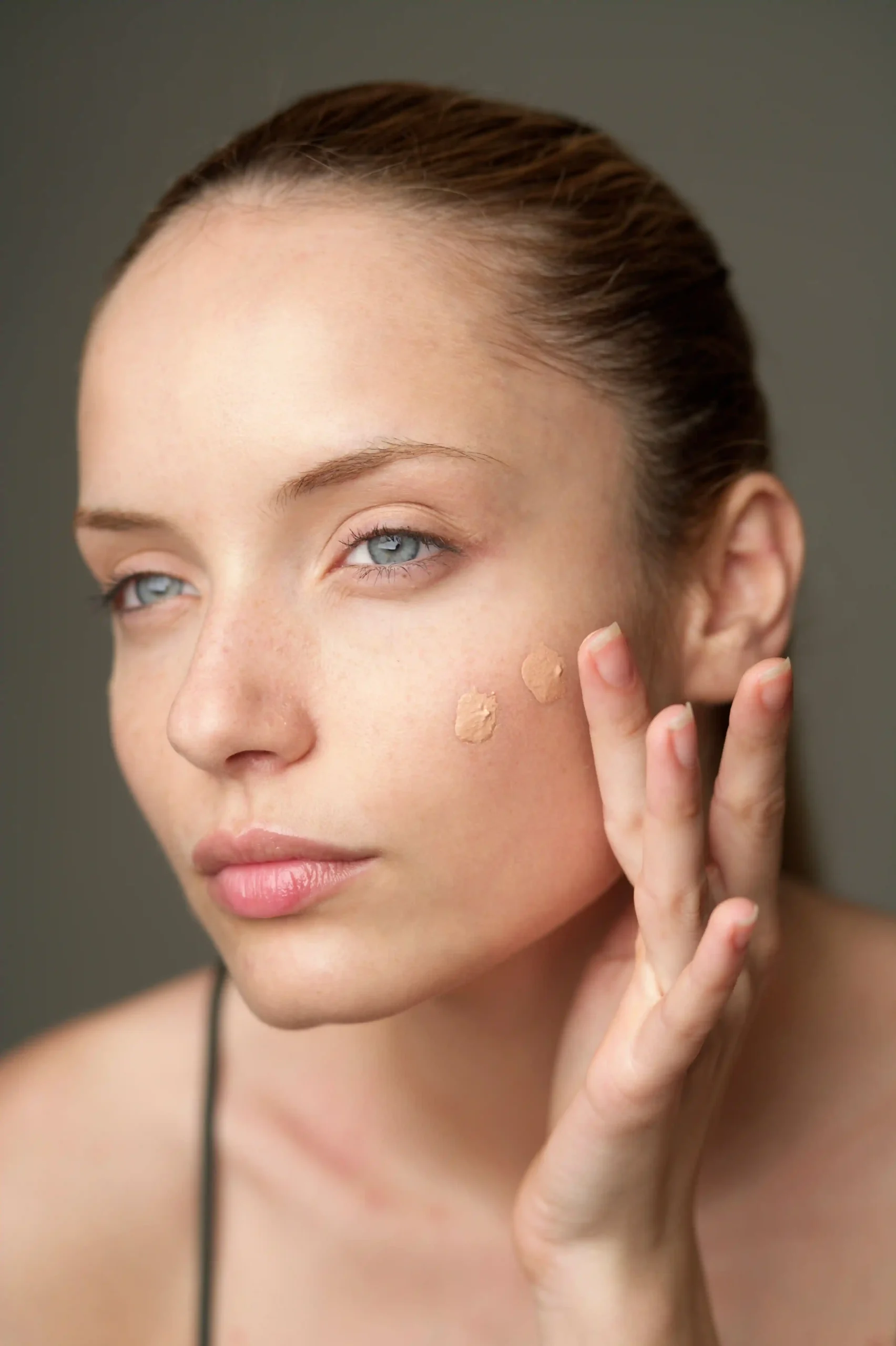
Why Choosing the Right Foundation Shade Matters
Foundation is the base of almost every makeup routine, helping to create an even complexion, blur imperfections, and provide a smooth canvas for the rest of your makeup. However, even the highest-quality foundation can look unnatural if the shade doesn’t match your skin tone. A foundation that is too light can leave your complexion looking washed out, while one that is too dark may create harsh lines and an uneven appearance.
Choosing the right foundation shade is about more than simply matching the color of your skin. Factors such as your undertone, skin type, seasonal changes, lighting, and the foundation’s formula all influence how the product will look once applied. Understanding these factors allows you to select a foundation that blends seamlessly into your skin, creating a natural finish that enhances rather than masks your complexion.
Whether you’re purchasing your first foundation or looking for a better match, learning how to identify your skin’s unique characteristics will help you make more confident decisions and avoid costly trial and error.
Understanding Your Skin Tone
Before selecting a foundation, it’s important to understand the difference between skin tone and undertone. Your skin tone refers to the surface color of your skin, while your undertone is the subtle hue beneath the surface that remains relatively constant throughout the year.
Skin tones generally fall into several categories, including fair, light, medium, tan, deep, and rich. While your skin tone may become slightly darker after sun exposure or lighter during colder months, your undertone usually stays the same.
Many makeup shoppers focus only on matching the surface color of their skin, but ignoring undertones often leads to foundations that appear too pink, too yellow, too orange, or too gray after application.
Understanding both your skin tone and undertone is the foundation of choosing a product that looks natural in every type of lighting.
Identifying Your Undertone
Undertones are commonly divided into three main categories: cool, warm, and neutral.
People with cool undertones often notice hints of pink, red, or blue beneath their skin. Silver jewelry typically complements cool undertones, and veins on the inside of the wrist may appear blue or purple.
Warm undertones usually have golden, peach, or yellow hues. Gold jewelry often looks especially flattering, and wrist veins may appear greenish. Warm undertones generally tan more easily than cool undertones.
Neutral undertones contain a balance of warm and cool tones. Individuals with neutral undertones often find that both silver and gold jewelry suit them equally well, making foundation selection somewhat more flexible.
Some brands also offer olive undertones, which contain subtle green or muted golden characteristics. Olive undertones can be difficult to match because many traditional foundations appear either too pink or too orange.
Recognizing your undertone significantly narrows your choices and increases your chances of finding a foundation that blends naturally into your skin.
Know Your Skin Type Before Buying Foundation
Selecting the right shade is only part of the equation. Choosing a formula that matches your skin type helps ensure your foundation performs well throughout the day.
People with oily skin often benefit from matte or oil-free foundations that help control shine while minimizing the appearance of enlarged pores. Long-wearing formulas can also improve durability without requiring frequent touch-ups.
Dry skin generally responds better to hydrating or luminous foundations that contain moisturizing ingredients. These formulas help prevent foundation from clinging to dry patches or emphasizing flaky skin.
Combination skin benefits from balanced formulas that provide hydration while controlling excess oil in the T-zone. Many satin-finish foundations work well for this skin type.
Sensitive skin should prioritize fragrance-free and dermatologist-tested formulas whenever possible. Gentle ingredients help reduce the risk of irritation or redness.
Mature skin often looks best with lightweight, hydrating foundations that provide buildable coverage without settling into fine lines or emphasizing skin texture.
Finding the right formula ensures your foundation looks as good at the end of the day as it does when first applied.
Test Foundation in Natural Light
One of the biggest mistakes people make is choosing a foundation under artificial store lighting. Fluorescent lights can dramatically alter how colors appear, making it difficult to judge whether a foundation truly matches your skin.
Whenever possible, apply a small amount of foundation and examine it in natural daylight. Natural light provides the most accurate representation of how the product will appear throughout the day.
If shopping online, compare multiple product photos, read customer reviews from individuals with similar skin tones, and take advantage of shade-matching tools offered by many cosmetic brands. While these tools are helpful, they should be viewed as starting points rather than guarantees.
Natural lighting remains the most reliable way to evaluate a foundation match.
Where to Test Foundation
Many people instinctively test foundation on the back of their hand, but this area often differs significantly from the skin on the face. Your hands receive more sun exposure and frequently have a different tone than your complexion.
Instead, apply several shades along your jawline or slightly below it on your neck. The correct shade should blend seamlessly into both your face and neck without creating a visible line of separation.
Testing multiple shades side by side makes subtle differences easier to identify. Once applied, allow the foundation to sit for several minutes before making your final decision, as some formulas oxidize and become slightly darker after exposure to air.
The ideal shade should disappear into your skin rather than sitting visibly on top of it.
Understanding Foundation Coverage
Foundation coverage influences the overall appearance of your makeup and should be selected according to your personal preferences and skin concerns.
Light coverage foundations create a natural, skin-like finish while allowing freckles and minor imperfections to remain visible. These products are popular for everyday wear because they provide subtle evening of the complexion without looking heavy.
Medium coverage foundations offer greater versatility by concealing redness, mild discoloration, and uneven skin tone while maintaining a natural appearance. Many medium coverage formulas can be built up in areas that require additional coverage.
Full coverage foundations provide maximum camouflage for acne, pigmentation, scars, and significant discoloration. While highly effective, they should be blended carefully to avoid a mask-like appearance.
Choosing the appropriate coverage allows you to achieve your desired look without applying more product than necessary.
Consider the Foundation Finish
The finish of a foundation affects how your skin appears after application.
Matte foundations minimize shine and are often preferred by individuals with oily skin. They create a polished appearance and generally provide long-lasting wear.
Natural finish foundations closely mimic healthy skin, making them suitable for a wide range of skin types and everyday makeup looks.
Dewy or radiant foundations enhance luminosity and provide a fresh, hydrated appearance. They are especially popular among people with dry or mature skin but may require setting powder in oil-prone areas.
Satin finishes fall between matte and radiant, offering a balanced appearance that works well for many individuals.
Selecting the finish that complements your skin type contributes to a more flattering and comfortable makeup experience.
Seasonal Changes Can Affect Your Foundation Shade
Your skin tone often changes throughout the year due to sun exposure and seasonal weather. During the summer months, many people naturally develop a deeper complexion, while winter may bring a lighter skin tone.
Rather than relying on one foundation all year, consider keeping two shades—one slightly lighter and one slightly darker. Mixing them allows you to customize your match as your complexion changes.
This approach provides greater flexibility and helps ensure your makeup always appears natural regardless of the season.
Common Mistakes When Choosing a Foundation Shade
Many foundation mismatches result from simple but avoidable mistakes.
Selecting a foundation based solely on online photos can be misleading because lighting, camera settings, and screen calibration all influence color accuracy. Reading detailed reviews and checking shade comparisons can provide additional guidance.
Ignoring undertones is another common issue. Even if the depth of a foundation appears correct, the wrong undertone may cause the product to look unnatural after blending.
Purchasing the lightest shade in hopes of appearing brighter often creates an artificial look. Likewise, choosing a darker shade to simulate a tan usually results in visible color differences between the face and neck.
Applying too much product can also make even a perfectly matched foundation appear heavy. Building coverage gradually typically produces a more natural finish.
Finally, failing to test for oxidation can lead to disappointment. Allow foundation several minutes to settle before deciding whether it matches your complexion.
Tips for Shopping for Foundation Online
Buying foundation online has become increasingly popular, but it requires careful research.
Start by identifying your undertone and skin type before browsing products. Many cosmetic brands provide shade descriptions that indicate whether a foundation is warm, cool, neutral, or olive.
Customer reviews are particularly valuable when written by individuals with similar skin tones. Many reviewers include photos showing how the foundation appears in natural lighting, offering useful real-world comparisons.
If you’ve previously found a foundation that matches well, many online shade-matching tools can recommend equivalent shades across different brands. While these tools are helpful, always verify recommendations by reading product descriptions and customer experiences.
Whenever possible, purchase from retailers with flexible return policies in case the shade isn’t the right match.
Building a Natural Foundation Routine
Even the perfect foundation performs best when applied to well-prepared skin. Begin by cleansing your face and applying a moisturizer appropriate for your skin type. Hydrated skin allows foundation to spread more evenly and reduces patchiness.
Primer can provide additional benefits depending on your skin concerns. Mattifying primers help control shine, while hydrating primers create a smoother surface for dry skin. Color-correcting primers may also help reduce redness or dullness before foundation application.
Apply foundation using a makeup sponge, brush, or clean fingertips, depending on your preferred finish. Start with a small amount of product and blend outward from the center of the face. Additional layers can be added only where extra coverage is needed.
Finish with concealer, setting powder, or setting spray if desired to improve longevity while maintaining a natural appearance.
A thoughtful application technique often makes as much difference as choosing the correct shade.
Final Thoughts
Choosing the right foundation shade is one of the most important steps in creating a flawless makeup look. Understanding the difference between skin tone and undertone, selecting a formula suited to your skin type, testing shades in natural light, and considering seasonal changes all contribute to a more accurate match.
Rather than focusing solely on brand popularity or coverage, take the time to evaluate how a foundation blends with your unique complexion. A well-matched foundation should enhance your natural beauty by creating an even, healthy-looking finish that feels comfortable throughout the day.
Remember that finding your perfect foundation may take some experimentation, and that’s completely normal. As your skin changes with the seasons, your ideal shade and formula may evolve as well. By understanding the principles behind foundation matching, you’ll be better equipped to make informed choices that leave your makeup looking polished, natural, and effortlessly beautiful.
Leave a Reply