
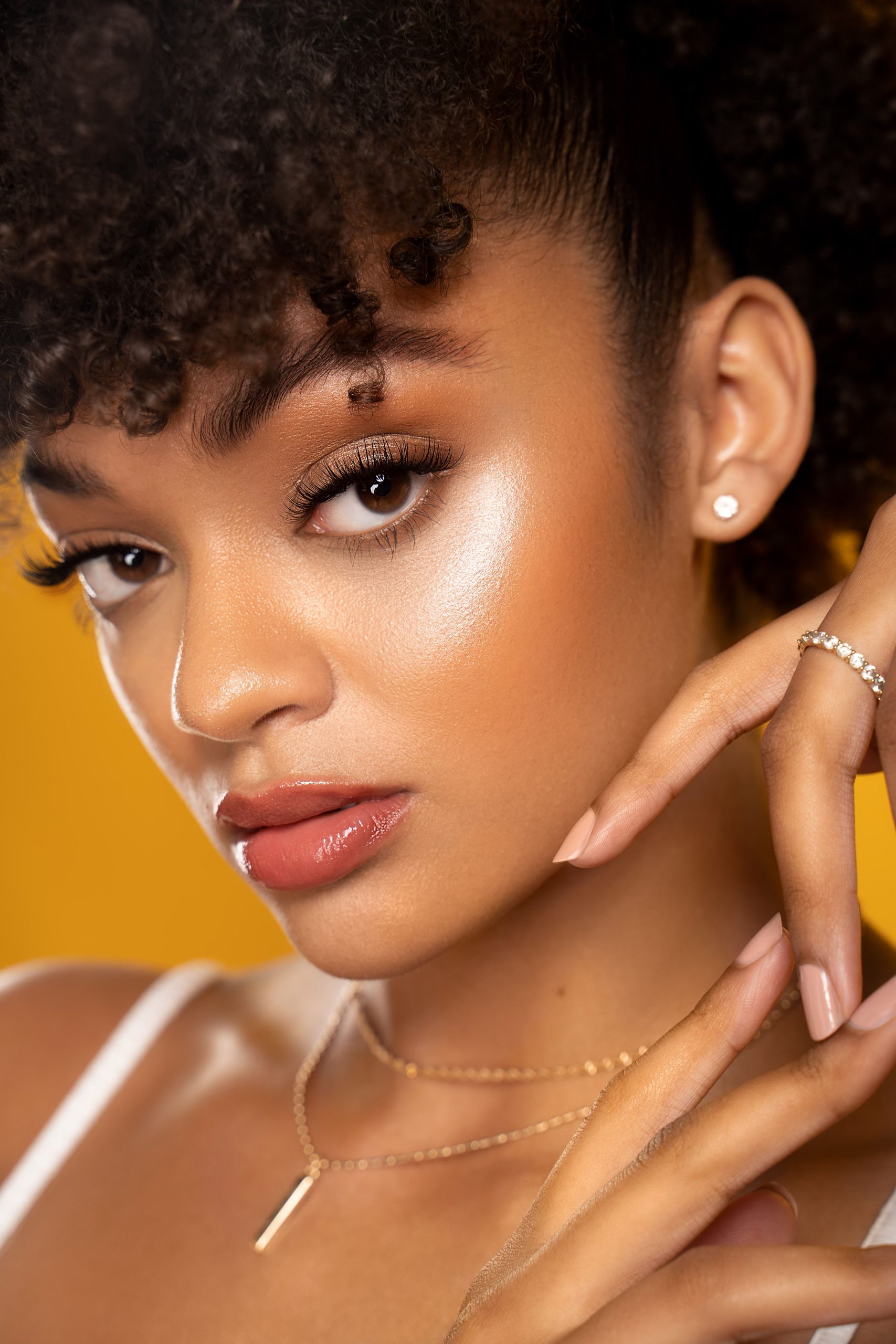
For years, beauty trends were often defined by dramatic contouring, bold eye looks, full-coverage foundations, and highly polished red-carpet glam. These styles dominated social media feeds, beauty tutorials, and celebrity appearances.
Today, the trend is moving in a different direction.
Celebrity beauty is becoming softer, more natural, and easier to recreate. Instead of dramatic transformations, makeup artists are focusing on enhancing natural features, healthy skin, and effortless elegance.
The goal is no longer to look completely different.
It is to look like the best version of yourself.
This shift reflects changing consumer preferences. Many beauty enthusiasts are looking for routines that fit into everyday life rather than techniques that require dozens of products or hours of preparation.
The modern beauty aesthetic values simplicity without sacrificing sophistication.
Healthy, glowing skin has become the foundation of this movement. Rather than relying on heavy foundation, many makeup routines now begin with skincare.
Hydration, sun protection, and well-maintained skin create the fresh appearance that many celebrities and makeup professionals now prioritize.
This “skin-first” philosophy has influenced both skincare and cosmetics, encouraging products that work together to create a natural finish.
Lightweight foundations, skin tints, tinted moisturizers, and concealers are increasingly replacing heavier full-coverage products.
The result is makeup that enhances rather than masks.
Brows have also become softer and more natural. Instead of highly sculpted shapes, many beauty professionals are embracing fuller brows that complement each person’s facial features.
The emphasis is on texture and balance rather than perfection.
Eye makeup is following a similar trend. Neutral tones, subtle definition, soft eyeliner, and natural lashes are becoming more common than dramatic, heavily layered looks.
The focus is shifting toward creating brightness and dimension while maintaining a relaxed appearance.
Lip colors are also evolving. Hydrating balms, tinted oils, glosses, and soft neutral shades are replacing ultra-matte finishes in many everyday routines.
Comfort and versatility are becoming just as important as color.
Hairstyling reflects the same philosophy. Smooth blowouts, healthy natural texture, effortless waves, and low-maintenance cuts are becoming more desirable than highly structured styles.
Consumers increasingly want looks they can maintain without spending excessive time or effort.
Fashion has influenced this beauty movement as well. Quiet luxury, minimalist dressing, and timeless wardrobe choices pair naturally with softer makeup and understated elegance.
Instead of competing for attention, beauty and fashion now work together to create a polished overall appearance.
Social media has helped accelerate this change. Audiences are becoming more interested in tutorials that feel achievable and products that deliver consistent results.
Beauty creators who demonstrate realistic routines often build stronger long-term trust with their audiences.
This has shifted attention away from perfection and toward authenticity.
Technology has also played a role. Better skincare formulations, personalized beauty recommendations, and ingredient education have made consumers more informed about what works for their individual needs.
People are making purchasing decisions based on effectiveness rather than simply following trends.
Another reason this aesthetic is growing is practicality. Many people balance busy careers, family responsibilities, travel, and social activities.
Beauty routines that are fast, flexible, and reliable fit more naturally into modern lifestyles.
Consumers increasingly value products that perform well across multiple occasions.
This does not mean bold glamour is disappearing.
Editorial makeup, artistic expression, and statement looks will always have an important place in fashion and entertainment.
However, for everyday beauty, many people are choosing confidence over complexity.
The future of beauty will likely continue emphasizing individuality. Rather than one universal trend, consumers will adapt techniques to match their own features, preferences, and lifestyles.
The most influential beauty trends are no longer the ones that require the most products.
They are the ones that make people feel comfortable, confident, and authentic.
Because true beauty is becoming less about following a trend—
and more about enhancing what already makes each person unique.
References
- American Academy of Dermatology – Skin Care Education and Healthy Skin Resources
- Vogue Business – Beauty Industry Trends and Consumer Insights
- McKinsey & Company – Beauty Consumer Trends Research
- NielsenIQ – Beauty Shopping and Consumer Behavior Insights
- Harvard Health Publishing – Healthy Skin and Lifestyle Information
- Deloitte – Consumer Beauty and Retail Trends Research
Leave a Reply