
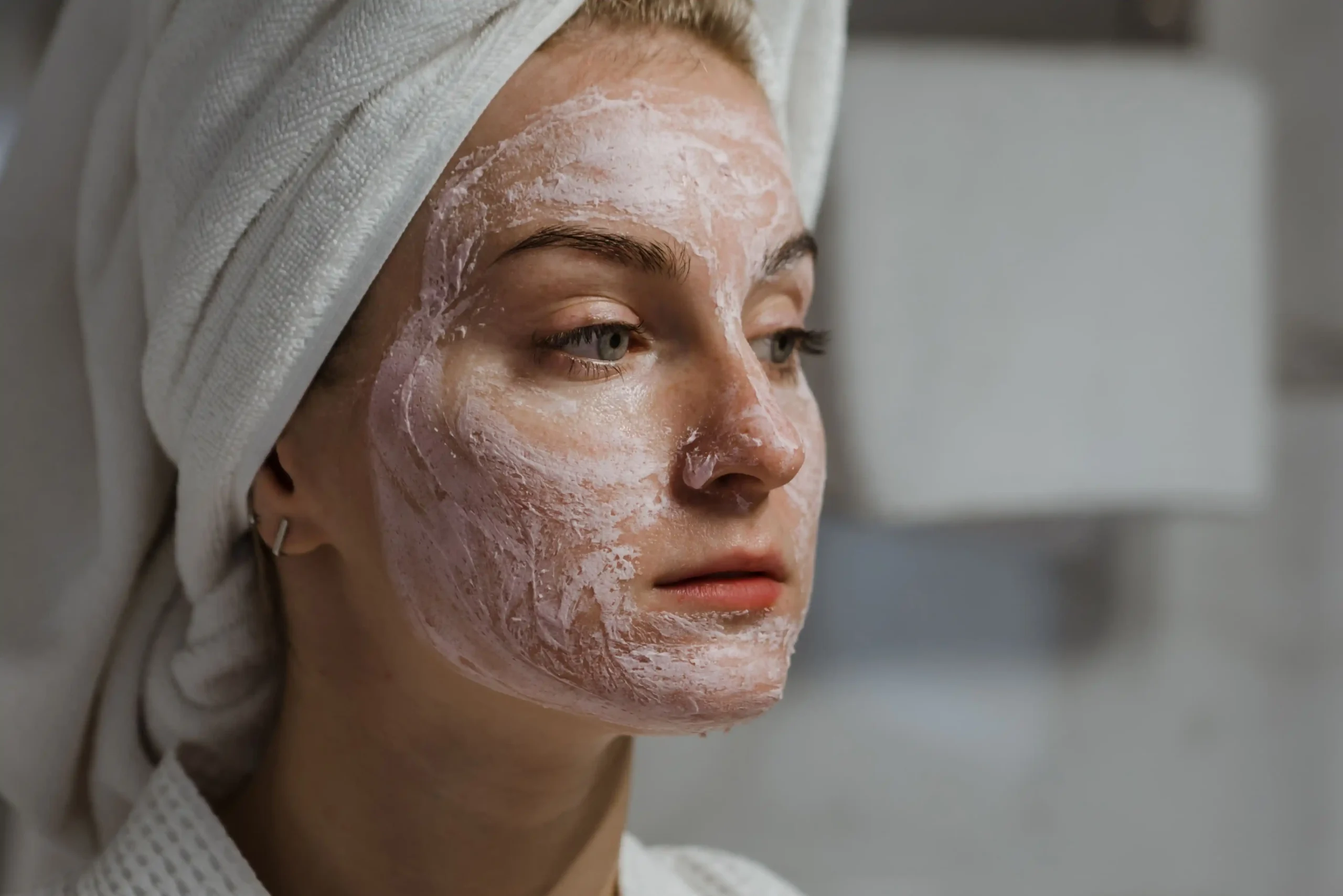
September can be an interesting time for your skin. Summer may still be lingering in the air, but the gradual shift toward fall can bring changes in temperature, humidity, and daily routines that your skin begins to notice. After months of heat, sun exposure, sweating, air conditioning, and frequent outdoor activities, your skin may suddenly feel tighter, rougher, or less comfortable than it did earlier in the summer. For many people, this is when dryness and dehydration start to become more noticeable.
The good news is that you do not need to completely replace your skincare routine when September arrives. Instead, this is the perfect time to make small, thoughtful changes that help maintain moisture and support your skin barrier before colder and drier fall weather settles in. A gentle cleanser, a nourishing moisturizer, consistent hydration, and a few simple adjustments can make a significant difference in how your skin looks and feels.
If your skin tends to become dry during seasonal transitions, September is a great month to get ahead of the problem. Rather than waiting until your skin is flaky, tight, or irritated, you can start building a routine that focuses on hydration and protection now.
Why Does Skin Become Drier in September?
Seasonal changes can affect the way your skin holds onto moisture. During summer, higher temperatures and humidity can make the skin feel naturally softer and more hydrated. However, as the weather begins transitioning into fall, environmental conditions can gradually change. Cooler air often contains less moisture, while indoor heating and air conditioning can also contribute to a drier environment.
Your summer skincare habits can play a role as well. You may have been using lightweight moisturizers, gel cleansers, exfoliating products, or mattifying formulas to deal with sweat and excess oil. These products can be useful during hot weather, but your skin may need more moisture and protection as the season changes.
Sun exposure is another factor. Even after summer ends, accumulated exposure to ultraviolet rays can leave the skin feeling dry or stressed. This is one reason why September should not be treated as the month when sunscreen disappears from your routine. Your skin still needs daily protection while you focus on restoring and maintaining hydration.
Start With a Gentle Cleanser
One of the simplest ways to prevent dry skin in September is to reconsider the cleanser you are using. Cleansing is important because it removes dirt, oil, sunscreen, makeup, and other buildup from the skin. However, an overly harsh cleanser can strip away some of the skin’s natural oils, leaving it feeling tight and uncomfortable.
If your skin feels squeaky clean immediately after washing, that may actually be a sign that your cleanser is too drying for your skin. Instead, look for a gentle cleanser that removes impurities without leaving your face feeling stripped.
Cream, lotion, and gentle gel cleansers can be good options depending on your skin type and personal preference. The goal is not to remove every trace of oil from your skin. Healthy skin needs some natural lipids to help maintain its protective barrier.
When washing your face, use lukewarm rather than very hot water. Hot water can make dryness and irritation more noticeable, especially if your skin is already sensitive. Keep cleansing gentle and avoid scrubbing your face aggressively with washcloths or exfoliating tools.
Moisturize Immediately After Cleansing
Moisturizer becomes especially important as the weather begins to change. One of the best habits you can develop is applying moisturizer while your skin is still slightly damp after cleansing. This helps support hydration by adding moisture and helping reduce water loss from the skin’s surface.
If you have been using a very lightweight summer moisturizer, September can be a good time to consider something slightly richer. You do not necessarily need an extremely heavy cream, especially if you have combination or oily skin. Instead, look for a moisturizer that feels comfortable while providing enough nourishment for your skin throughout the day.
Ingredients such as ceramides, glycerin, hyaluronic acid, squalane, and other moisturizing ingredients are commonly found in products designed to support hydrated skin. However, the most important factor is choosing a product that works well for your individual skin type and does not cause irritation.
Do not forget areas that are often overlooked. The sides of the nose, around the mouth, jawline, and neck can become dry during seasonal transitions. Applying moisturizer consistently to these areas can help keep your skin feeling comfortable as the weather changes.
Hydration Is More Than Drinking Water
When talking about hydrated skin, drinking enough water is often the first thing that comes to mind. Staying properly hydrated is important for overall health, but skincare hydration is not simply about drinking more water. Your skin also needs the right topical products and habits to help maintain moisture.
A well-balanced skincare routine can help your skin retain hydration at the surface. Humectant ingredients, for example, can help attract water, while emollients can help smooth the skin and occlusive ingredients can help reduce moisture loss.
Think of hydration as a combination of habits rather than one miracle step. Drinking water throughout the day, moisturizing regularly, using gentle skincare products, and avoiding excessive cleansing can all contribute to healthier-looking skin.
There is also no need to dramatically increase your water intake beyond what your body needs simply because your skin feels dry. Focus on regular hydration and a skincare routine that supports your skin barrier.
Do Not Stop Using Sunscreen
One of the most common seasonal skincare mistakes is treating sunscreen as a summer-only product. September may feel cooler than July or August, but ultraviolet exposure does not suddenly disappear when summer ends.
Daily sunscreen remains an important part of a skincare routine throughout the year. Apply a broad-spectrum sunscreen during the day, particularly when you expect to spend time outdoors. This is especially important if you are using exfoliating acids, retinoids, or other skincare ingredients that can make your skin more sensitive.
Sunscreen also fits naturally into a September skin routine because the goal is not only to hydrate the skin but also to protect it. Your morning routine should ideally provide both moisture and daily environmental protection.
Be Careful With Exfoliation
Exfoliation can make the skin look smoother and brighter, but too much exfoliation can contribute to dryness and irritation. If you notice that your skin is becoming tight, flaky, red, or unusually sensitive, it may be time to reduce how often you exfoliate.
This is particularly important during seasonal transitions. Your skin is already adapting to changes in the environment, so using multiple exfoliating products too frequently may place unnecessary stress on the skin barrier.
You do not have to completely eliminate exfoliation unless your skin needs a break. Instead, consider using a gentler approach and paying attention to how your skin responds. Avoid combining several strong exfoliating products simply because you want faster results.
Healthy-looking skin does not need to be aggressively scrubbed. Sometimes the best skincare decision is giving your skin time to recover and maintain its natural balance.
Avoid Very Hot Showers
A long, hot shower can feel incredibly relaxing once the weather starts cooling down, but extremely hot water may leave dry skin feeling even drier. Heat can affect the skin’s natural oils and may contribute to tightness and irritation.
Try keeping showers warm rather than very hot and avoid spending excessive amounts of time in the water. After showering, gently pat your skin dry instead of rubbing it aggressively with a towel.
Apply a body moisturizer soon after bathing while the skin still has some moisture. This simple habit can be particularly helpful for areas such as the legs, elbows, knees, and arms, which often become dry as fall approaches.
Pay Attention to Your Skin Barrier
The skin barrier is one of the most important parts of maintaining comfortable, hydrated skin. It helps protect the skin from environmental stressors while reducing unnecessary moisture loss.
When the skin barrier becomes compromised, you may notice dryness, roughness, sensitivity, redness, or a stinging sensation when applying products that normally feel comfortable. If this sounds familiar, simplifying your skincare routine may be more helpful than adding more products.
A barrier-friendly routine generally focuses on gentle cleansing, consistent moisturizing, and avoiding unnecessary irritation. You may also want to temporarily reduce aggressive exfoliation or products that make your skin feel uncomfortable.
September is a good time to think about skincare from a maintenance perspective. Instead of constantly adding new products, focus on creating the conditions your skin needs to stay balanced.
Common Causes of Dry Skin to Avoid
Sometimes preventing dry skin is less about adding another product and more about removing habits that contribute to dryness. Washing your face too frequently, using very hot water, scrubbing aggressively, over-exfoliating, and choosing harsh cleansers can all make your skin feel uncomfortable.
Indoor environments can also affect your skin. Air conditioning and, later in the season, indoor heating can reduce moisture in the surrounding air. If your home environment feels particularly dry, using a humidifier may be worth considering.
Your skincare routine should also change according to your skin’s needs rather than following trends. A product that works beautifully for someone else may not be ideal for you. If your skin becomes consistently irritated or unusually dry, consider simplifying your routine and focusing on gentle, moisturizing products.
A Simple September Skincare Routine
You do not need a complicated 10-step routine to prepare your skin for fall. A simple and consistent routine can be enough for many people.
In the morning, start with a gentle cleanser if you need one, followed by a hydrating serum or treatment if desired. Apply your moisturizer while your skin is comfortable and hydrated, then finish with broad-spectrum sunscreen. If your cleanser tends to leave your skin feeling dry in the morning, some people may prefer simply rinsing with water and saving their full cleanse for the evening.
At night, remove makeup and sunscreen thoroughly with a gentle cleanser. Follow with your preferred hydrating products and finish with a moisturizer. If you use active ingredients such as retinoids or exfoliating acids, introduce them thoughtfully and avoid overwhelming your skin with too many strong products at once.
The key is consistency. A simple routine that you actually follow every day is often more useful than an elaborate routine that changes constantly.
Give Your Skin Time to Adjust
It can be tempting to change everything in your skincare routine as soon as September arrives. However, your skin does not necessarily need a dramatic seasonal makeover. Small adjustments are often easier to manage and can help you understand what your skin actually needs.
Start by paying attention to how your skin feels after cleansing and throughout the day. Does it feel tight? Are certain areas becoming flaky? Does your moisturizer no longer feel sufficient? Are products that normally work well suddenly causing irritation?
These clues can help you decide what needs to change. You might simply need a richer moisturizer, a gentler cleanser, or less frequent exfoliation. There is no universal September skincare routine because everyone’s skin responds differently to seasonal changes.
When Dry Skin May Need More Attention
Occasional dryness is common, particularly when the weather changes. However, persistent or severe dryness, cracking, bleeding, significant redness, swelling, or ongoing irritation may require more attention. If your skin continues to feel uncomfortable despite using gentle skincare and moisturizing regularly, consider speaking with a dermatologist or other qualified healthcare professional.
It is also important to remember that dry skin and dehydrated skin are not exactly the same thing. Dry skin generally refers to a skin type that produces less oil, while dehydrated skin refers to a lack of water. Someone with oily or combination skin can still experience dehydration, which is why simply using heavier oils is not always the answer.
Understanding what your skin is experiencing can help you choose a more appropriate approach rather than adding random products to your routine.
Your September Skin Reset Starts With Simplicity
September is the perfect month to start preparing your skin for the months ahead. Instead of waiting for cold weather to bring noticeable dryness, you can begin strengthening your daily skincare habits now.
Focus on gentle cleansing, consistent moisturizing, adequate hydration, daily sunscreen, and thoughtful exfoliation. Avoid habits that unnecessarily strip or irritate your skin, such as very hot showers, harsh cleansers, excessive scrubbing, and over-exfoliating. Most importantly, pay attention to what your skin is telling you.
Seasonal skincare does not have to be complicated. Your skin may simply need a little more moisture, a little more protection, and a little less irritation as summer fades into fall. By making these changes in September, you can help maintain a smoother, more comfortable, healthy-looking complexion throughout the seasonal transition.
The goal is not to chase perfect skin. It is to create a skincare routine that supports your skin consistently, even as the weather around you changes. When you prioritize moisture and barrier care before dryness becomes a major concern, your skin is better prepared to welcome the season ahead.
Leave a Reply