
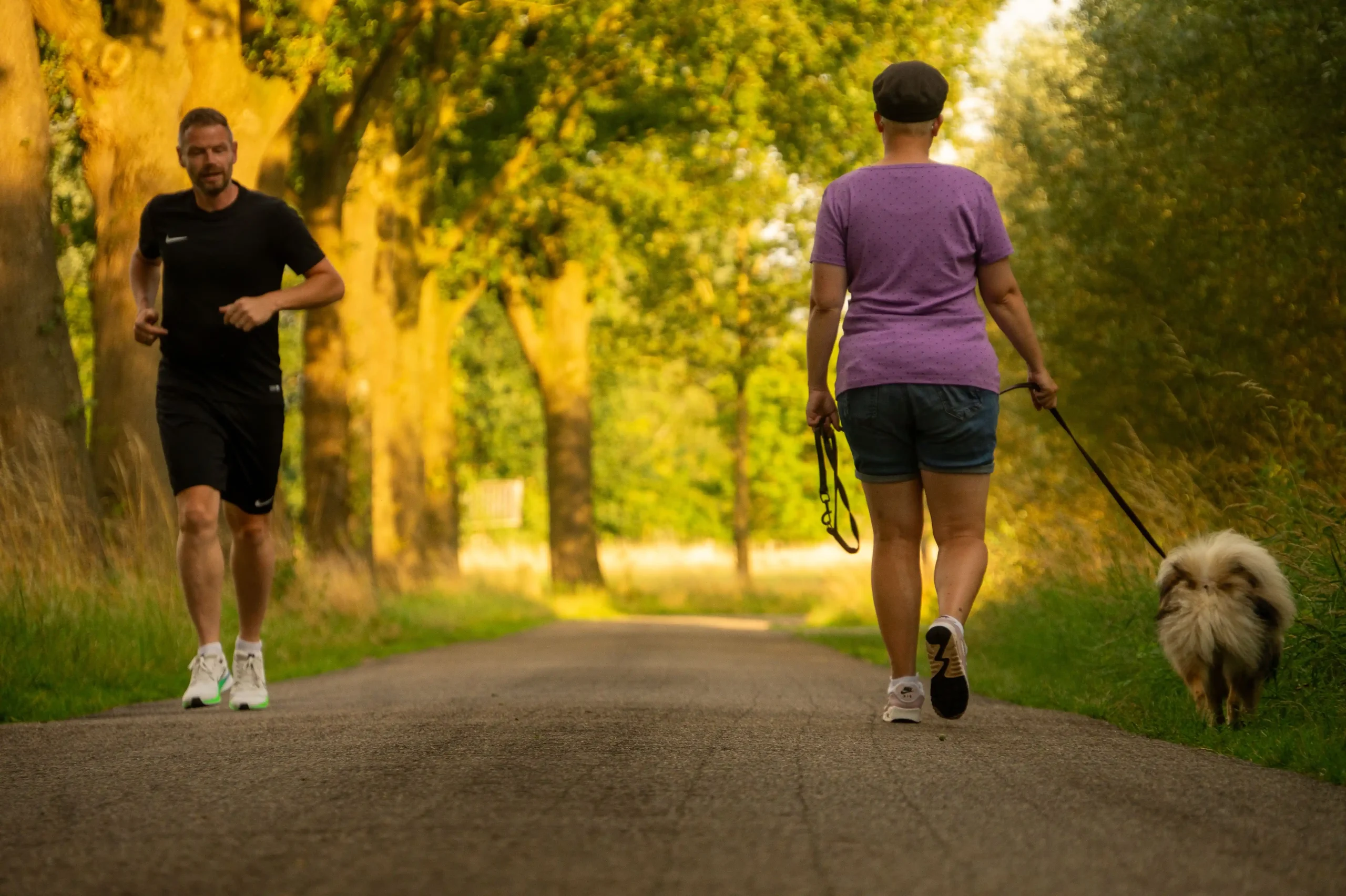
Why Autumn Is the Perfect Season for Walking
As summer fades and the days begin to feel cooler, autumn creates a natural invitation to spend more time outdoors. The intense heat of summer is replaced by more comfortable temperatures, the scenery begins to change, and everyday routines often start to feel a little more settled. For anyone looking for a simple way to stay active, an autumn wellness walk can be one of the easiest habits to add to a healthy lifestyle.
Walking does not require expensive equipment, a gym membership, or advanced fitness skills. It is an accessible form of movement that can fit into almost any schedule and can be adjusted to match different fitness levels. Whether you prefer a relaxed stroll through your neighborhood or a brisk walk through a local park, getting outside and moving your body can become a meaningful part of your autumn wellness routine.
The appeal of walking in fall goes beyond physical activity. Spending time outdoors can give you an opportunity to step away from screens, clear your mind, enjoy seasonal scenery, and create a little space between work and everyday responsibilities. Instead of viewing exercise as something that has to be intense or time-consuming, an autumn walk can make movement feel enjoyable and sustainable.
The Physical Benefits of Walking
Walking may be a simple form of exercise, but doing it regularly can contribute to overall physical fitness. A consistent walking routine can help support cardiovascular health, improve endurance, strengthen muscles, and encourage daily movement.
A brisk walk can raise your heart rate while still being comfortable enough for many people to maintain for an extended period. Over time, regular walking can help improve stamina, making everyday activities such as climbing stairs, shopping, commuting, or completing household tasks feel easier.
Walking also engages several muscle groups, particularly in the legs, hips, and core. Walking on different surfaces or including gentle hills can add variety and make the body work slightly harder. You do not necessarily need a complicated workout plan to become more active. Simply making walking part of your regular routine can help increase the amount of movement you get throughout the day.
Another advantage is that walking can be adapted as your fitness level changes. You can begin with shorter, slower walks and gradually increase the distance, pace, or frequency. This flexibility makes walking a practical option for people who are trying to build a consistent exercise habit.
Walking for Mental Well-Being
One of the most appealing aspects of an autumn wellness walk is the opportunity to step outside and slow down mentally. Modern routines can involve long hours in front of computers and phones, constant notifications, and a seemingly endless list of responsibilities. A walk gives you a chance to temporarily disconnect from that environment.
Being outdoors can create a sense of space and provide a change of scenery. Instead of moving from one indoor environment to another, you can experience fresh air, natural surroundings, and the changing colors of the season.
Walking can also become a form of mindfulness. You do not need to follow a complicated meditation technique. Simply paying attention to your surroundings can help you become more present. Notice the temperature of the air, the sound of leaves moving in the wind, the feeling of your feet touching the ground, and the sights around you.
For some people, walking can also provide valuable thinking time. A quiet walk can be an opportunity to organize your thoughts, process the events of the day, or simply enjoy a few moments without having to multitask.
The Beauty of an Autumn Walking Routine
Part of what makes fall walking special is the seasonal atmosphere. Depending on where you live, autumn can bring changing leaves, cooler air, golden sunlight, and landscapes that look completely different from summer.
This seasonal change can make the same walking route feel new again. A neighborhood street, park, trail, or garden may look different from one week to the next as the colors and scenery change.
Instead of treating your walk as something you have to complete, try making it part of your daily enjoyment. Choose a route you genuinely like. Explore a different street occasionally. Visit a local park. Walk somewhere you have not visited before.
When exercise becomes an enjoyable experience rather than another obligation, it may be easier to maintain consistently.
How Long Should an Autumn Wellness Walk Be?
There is no single perfect length for a walk. The right amount of walking depends on your current fitness level, schedule, health needs, and personal goals.
If you are new to regular exercise, starting with a short walk can be a practical approach. Even a 10- or 15-minute walk can provide an opportunity to get moving. As walking becomes more comfortable, you can gradually increase the duration.
For those who already exercise regularly, a longer brisk walk can become part of a broader fitness routine. You might choose a 30-minute walk during the week and a longer weekend walk when you have more free time.
Consistency is often more important than trying to make every walk long or intense. A realistic walking routine that you can maintain is more useful than an ambitious plan that quickly becomes difficult to follow.
Turn Your Walk Into a Brisk Workout
A relaxed stroll can be enjoyable, but you can increase the intensity when you want more of a workout. Walking at a brisk pace is one simple way to make your autumn walk more physically challenging.
A brisk walking pace should feel faster than a casual stroll while still allowing you to maintain control and, generally, speak in short sentences. You can begin with a few minutes at an easy pace to warm up, increase your speed for the middle portion of the walk, and then slow down toward the end.
You can also introduce gentle hills or changes in terrain if they are appropriate for your fitness level. These variations can make your walking routine more challenging without requiring traditional gym equipment.
The goal does not have to be speed. Focus on maintaining a pace that feels purposeful and sustainable.
What to Wear for an Autumn Walk
One of the simplest ways to make outdoor exercise more enjoyable is to dress appropriately for the weather. Autumn temperatures can change throughout the day, so layers can be particularly useful.
A lightweight base layer combined with a sweater, sweatshirt, or jacket allows you to adjust your clothing as your body warms up. Comfortable walking shoes with adequate support are also important, particularly if you plan to walk for longer periods or on uneven surfaces.
If you are walking early in the morning or later in the evening, visibility should also be considered. Reflective details or light-colored clothing can make it easier for others to see you in lower-light conditions.
The best walking outfit is ultimately one that allows you to move comfortably and keeps you appropriately protected from the weather.
Make Walking Part of Your Morning Routine
Morning walks can be an excellent way to introduce movement into your day before your schedule becomes busy. Instead of immediately reaching for your phone or starting a long list of tasks, you can begin the morning with a few minutes outdoors.
A morning walk does not have to be long. Even a short walk around the neighborhood can help create a sense of routine. If you have more time, you can extend the route or choose a nearby park.
For people who work from home, a morning walk can also create a useful transition between personal time and work time. It can provide a physical change of environment before you sit down at your desk.
Try an Evening Wellness Walk
If mornings are too busy, an evening walk can be just as valuable. A walk after work can provide a natural transition between your professional responsibilities and personal time.
Rather than immediately moving from your desk to household chores or more screen time, consider taking a short walk first. It can give you an opportunity to change your environment and mentally separate the workday from the evening.
An evening walk can also become a social activity. Invite a friend, partner, or family member to join you. Walking together can provide time to catch up while also encouraging both people to stay active.
If you walk after sunset, choose well-lit routes and remain aware of your surroundings. Safety should always come before distance or pace.
Make Your Autumn Walk More Enjoyable
The easiest way to maintain a walking routine is to make it something you actually look forward to. One approach is to create small rituals around your walks.
You might listen to a podcast or audiobook, enjoy your favorite playlist, or simply walk without headphones so you can pay attention to the environment. If you prefer walking with someone else, schedule regular walks with a friend or family member.
You can also give yourself small goals that have nothing to do with distance. Try discovering a new neighborhood route, visiting a different park, photographing interesting autumn scenery, or finding a peaceful place where you can sit for a few minutes afterward.
These small details can turn a basic walk into a personal wellness ritual.
Walking and Mindful Movement
Autumn walks can also be an opportunity to practice mindful movement. Instead of thinking only about how far you need to go, pay attention to how your body feels as you move.
Notice your breathing and posture. Relax your shoulders and allow your arms to move naturally. Pay attention to the rhythm of your steps and the sensations in your feet.
You can also use the walk as a break from constant mental stimulation. Rather than checking messages or scrolling through social media, give yourself permission to be present.
Mindful walking does not have to be complicated. It simply means bringing more attention to the experience instead of treating the walk as something to rush through.
Walking With Friends and Family
Exercise does not always have to be a solo activity. Autumn walks can be a great opportunity to spend quality time with people you care about.
Walking with a friend can turn exercise into a social activity, making it easier to stay motivated. Families can also use weekend walks as an opportunity to get outside together. Children may enjoy exploring parks, noticing seasonal changes, or simply having a break from indoor activities.
The social aspect of walking can make the habit feel less like exercise and more like time spent together. This can be especially valuable during busy periods when it is difficult to find dedicated time for socializing.
How to Stay Consistent With Your Autumn Walking Routine
Starting a new wellness habit is usually easier than maintaining one. The key is to make your walking routine realistic.
Instead of deciding that you must walk for an hour every day, begin with a goal that fits naturally into your schedule. You might commit to a short walk several days a week and build from there.
It can also help to connect walking with something you already do. For example, take a walk after lunch, after work, or after dinner. When walking becomes associated with an existing part of your day, it may feel less like another task you have to remember.
Keep your expectations flexible as well. Rain, busy days, fatigue, or unexpected plans can interfere with your routine. Missing one walk does not mean you have failed. Simply return to your routine when you can.
Safety Tips for Outdoor Autumn Walks
Outdoor exercise should always be approached with basic safety in mind. Choose walking routes that are appropriate for your fitness level and pay attention to changing weather conditions.
If the ground is wet or covered with fallen leaves, slow down and watch your footing because surfaces can become slippery. Stay aware of traffic when walking near roads and use designated sidewalks or walking paths whenever possible.
Bring water if you are walking for an extended period, even when the weather feels cool. Cooler temperatures can sometimes make it easy to forget about hydration.
If you have an existing health condition, are recovering from an injury, or are unsure whether a particular level of activity is appropriate for you, consider speaking with a qualified healthcare professional before significantly changing your exercise routine.
Make This Autumn Your Season of Movement
You do not need to completely transform your lifestyle to become more active this autumn. Sometimes, the most sustainable changes are the simplest ones. A regular walk can provide a practical way to move your body, spend time outside, and create a little breathing room in your day.
The beauty of an autumn wellness walk is that it can be whatever you need it to be. It can be a brisk workout, a peaceful morning ritual, a way to catch up with a friend, or simply an excuse to step outside and enjoy the season.
As autumn settles in, consider putting on a comfortable pair of walking shoes and choosing a route that makes you want to keep going. Start with a manageable amount of time, find a pace that feels comfortable, and gradually make walking part of your routine.
Final Thoughts
Walking is one of the simplest ways to incorporate more movement into everyday life, and autumn provides an especially inviting backdrop for making it a regular habit. Cooler temperatures, changing scenery, and the opportunity to spend more intentional time outdoors can make a daily walk feel refreshing rather than routine.
Whether you choose a short morning stroll, a brisk lunchtime walk, or a longer weekend adventure, the most important thing is finding an approach that works for your lifestyle. You do not need expensive equipment or an elaborate workout plan. You simply need a comfortable route, appropriate clothing, and a willingness to get moving.
This autumn, make wellness less complicated. Step outside, enjoy the changing season, and give yourself permission to slow down while staying active. A simple walk may be all it takes to create a healthier, more enjoyable rhythm for the season.
Leave a Reply