
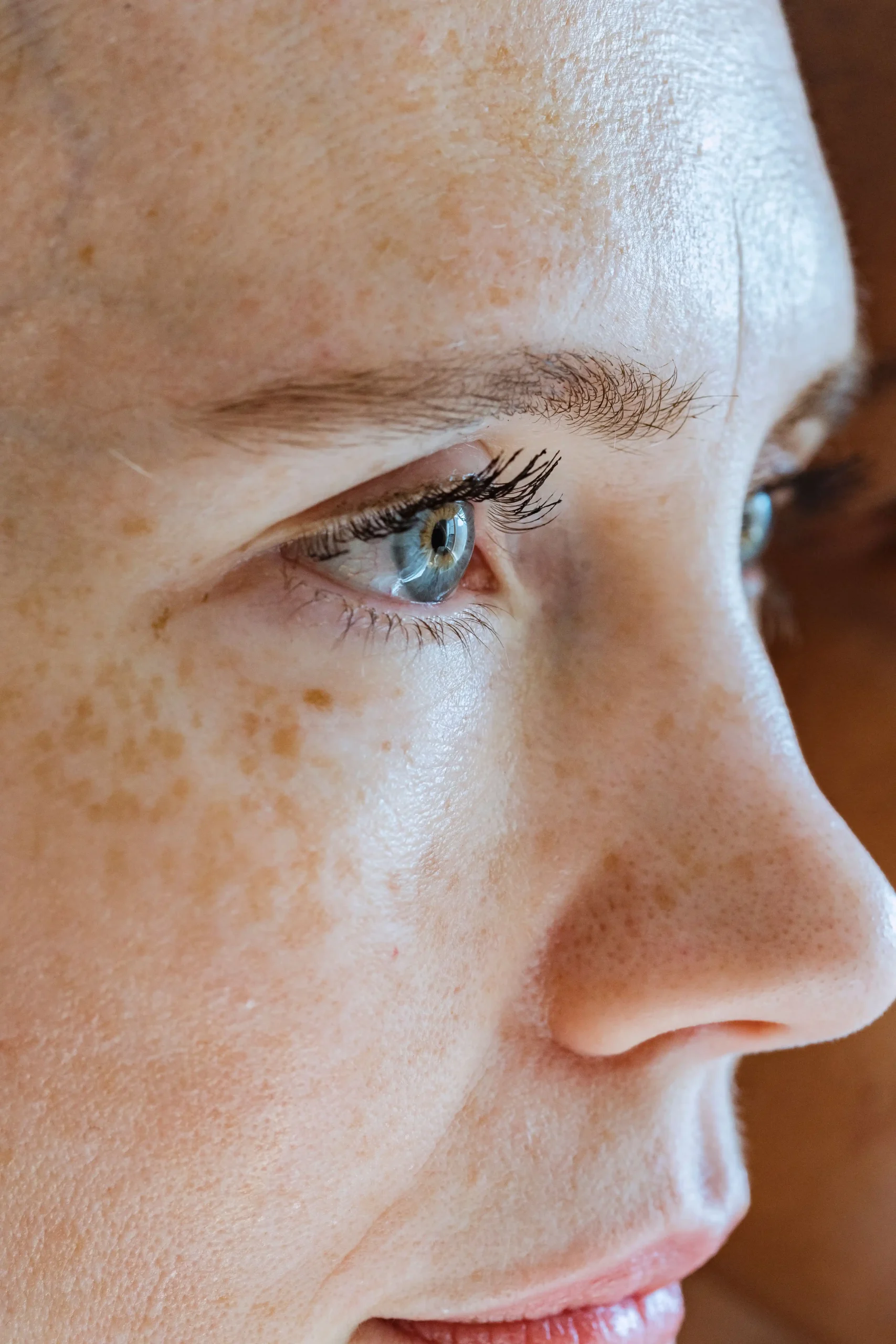
Melasma can be one of the most frustrating skin concerns to deal with. You may spend weeks or months trying to fade the darker patches on your cheeks, forehead, upper lip, or nose, only to notice that the pigmentation seems to return. Just when your skin begins to look more even, those familiar brown or grayish patches can become visible again.
If this sounds familiar, it does not necessarily mean your skincare routine is failing. Melasma is a complex pigmentation condition that can be influenced by sunlight, visible light, heat, hormones, genetics, and skin irritation. Because several factors can contribute to melasma, treating it is often less about finding one magical product and more about building consistent habits that reduce the triggers that encourage pigmentation.
Some everyday skincare habits may also make melasma appear more noticeable. Over-exfoliating, skipping sunscreen, using irritating products, or constantly changing your routine can leave the skin stressed and more vulnerable to pigmentation.
Understanding what may be happening is the first step toward creating a gentler and more consistent approach to melasma skincare.
What Is Melasma?
Melasma is a common pigmentation condition that causes darker patches to appear on the skin. It most often develops on areas of the face that receive regular exposure to light, including the cheeks, forehead, nose, and upper lip. The patches can range from light brown to darker brown or grayish in appearance, depending on the individual and how deeply the pigment is located.
Melasma is more than an ordinary dark spot. Unlike a single post-acne mark or occasional sunspot, it can cover larger areas and may appear relatively symmetrical on both sides of the face.
One of the reasons melasma can be difficult to manage is that it is influenced by multiple factors. Hormonal changes can play a role, while ultraviolet radiation and visible light can stimulate pigment production. Heat and inflammation may also contribute for some people.
This means that even when pigmentation fades, the underlying tendency can remain.
That is why maintaining a good skincare routine and protecting the skin from environmental triggers is so important.
Skipping Sunscreen Can Undo Your Progress
If you are dealing with melasma, sunscreen should not be treated as an optional final step. Daily sun protection is one of the most important parts of managing pigmentation because ultraviolet exposure can stimulate melanin production and make existing discoloration more noticeable.
You might have an excellent cleanser, serum, moisturizer, and treatment product, but inconsistent sunscreen use can make it much harder to maintain results.
A broad-spectrum sunscreen with an appropriate SPF can help protect the skin from UVA and UVB radiation. For people concerned about melasma, tinted sunscreens containing iron oxides may provide an additional benefit because they can help protect against visible light, which can also contribute to pigmentation in some individuals.
The key is consistency.
Sunscreen is most useful when it becomes part of your everyday routine rather than something reserved for beach trips or exceptionally sunny days. Light exposure happens during ordinary activities such as walking outside, driving, running errands, or sitting near windows.
Physical protection matters too. Wide-brimmed hats, sunglasses, shade, umbrellas, and avoiding prolonged direct sun exposure can all complement sunscreen.
Using Too Many Exfoliating Products
Exfoliation can make skin feel smoother, but more is not necessarily better, especially when you are dealing with melasma.
Products containing exfoliating acids such as glycolic acid, lactic acid, or salicylic acid can be useful in certain skincare routines. However, using too many exfoliating products at once or applying them too frequently can irritate the skin.
When the skin becomes irritated, inflammation can increase. For some people, inflammation can contribute to post-inflammatory hyperpigmentation and make existing discoloration more difficult to manage.
This is why a complicated routine filled with multiple acids may actually work against your goal of achieving a more even complexion.
Instead of exfoliating every night, consider whether your skin actually needs that level of treatment. A gentler routine may be more sustainable, particularly if your skin frequently feels tight, itchy, burning, or unusually sensitive.
Healthy skin does not have to feel constantly “worked.”
Your Skincare Routine May Be Too Aggressive
There is a common misconception that stubborn pigmentation requires equally aggressive treatment. If one product is not producing fast results, it can be tempting to add another serum, increase the frequency, or use a stronger formula.
Unfortunately, this approach can create a cycle of irritation.
When the skin barrier becomes compromised, you may notice dryness, redness, stinging, flaking, or sensitivity. These signs are not evidence that a product is working harder. They may simply indicate that your skin is struggling to tolerate the routine.
Melasma management often requires patience.
A routine that you can comfortably follow for months is generally more useful than an aggressive routine that leaves your skin irritated after a few weeks.
If a product consistently causes burning or significant irritation, it may be worth stopping it and simplifying your routine rather than pushing through discomfort.
Constantly Changing Products Can Make Things Confusing
Skincare trends move quickly. There is always a new serum promising brighter skin, a new ingredient becoming popular online, or another viral routine claiming to transform hyperpigmentation.
But constantly changing products can make it difficult to determine what is actually helping your skin.
If you introduce several new products at once, you will not know which product is responsible for improvement or irritation. If your skin becomes irritated, it can also be difficult to identify the cause.
A consistent routine is often easier to manage.
Give products appropriate time to work, provided they are well tolerated, and introduce new products gradually. This does not guarantee that every product will work for you, but it gives you a much clearer picture of how your skin responds.
When it comes to melasma skincare, consistency is often more valuable than chasing the newest trend.
Picking or Rubbing Your Skin Can Make Pigmentation Worse
Sometimes the problem is not a skincare product at all. It is the way you interact with your skin.
Frequent rubbing, aggressive cleansing, picking at blemishes, or scrubbing can create unnecessary irritation. Even something as simple as vigorously drying your face with a towel can contribute to irritation if your skin is already sensitive.
This does not mean you have to treat your face as though it is extremely fragile. It simply means avoiding unnecessary friction.
Use a gentle cleanser, massage products without excessive pressure, and pat your face dry instead of aggressively rubbing it.
If you have acne or clogged pores alongside melasma, resist the temptation to pick at them. Inflammation from picking can leave behind additional pigmentation, making your overall complexion look more uneven.
Heat May Be an Overlooked Trigger
Sunlight gets most of the attention when people talk about melasma, but heat may also be relevant.
Some people notice that their pigmentation becomes more difficult to manage in hot environments or during activities that cause significant facial flushing. While the relationship between heat and melasma is still being studied, heat may contribute to the inflammatory processes involved in pigmentation for some individuals.
This is particularly worth considering if you live in a hot, humid climate or spend a lot of time outdoors.
You cannot realistically avoid heat completely, but you can take practical steps to stay cooler. Seek shade when possible, use a fan or air conditioning when appropriate, wear breathable clothing, and avoid unnecessary prolonged exposure to very hot environments.
Most importantly, do not assume that sunscreen alone means you can stay in direct sunlight indefinitely.
Ignoring Visible Light
Traditional sunscreen advice often focuses heavily on ultraviolet radiation, but melasma management has become increasingly focused on visible light as well.
Visible light is part of the sunlight spectrum that we can see. Research suggests that visible light can contribute to pigmentation in some people with melasma, particularly those with darker skin tones.
This is one reason tinted sunscreens can be worth considering. Formulas containing iron oxides may offer protection against portions of visible light in addition to their UV protection.
Tinted sunscreen is not mandatory for everyone with melasma, but it can be a useful option if pigmentation is persistent despite consistent UV protection.
The most important factor remains choosing a sunscreen you can apply generously and consistently.
Forgetting to Reapply Sunscreen
Applying sunscreen once in the morning is better than skipping it completely, but it may not provide adequate protection throughout a full day of outdoor exposure.
Sunscreen can wear away through sweating, swimming, wiping your face, or simply over the course of the day. If you spend extended periods outdoors, reapplication becomes particularly important.
How frequently you need to reapply depends on your activities and the product you are using. Follow the directions on the sunscreen and pay particular attention when you are swimming or sweating.
If you work indoors most of the day, your needs may differ from someone who spends several hours outside. The goal is to make sun protection practical enough that you can maintain it consistently.
Your Skin Barrier Matters More Than You Think
A healthy skin barrier is an important foundation for any skincare routine.
The skin barrier helps retain moisture and protects the skin from external irritants. When it becomes compromised, the skin can become dry, sensitive, and reactive.
For people managing melasma, maintaining a comfortable skin barrier can make it easier to tolerate treatment products without unnecessary irritation.
A basic routine does not have to be complicated. A gentle cleanser, moisturizer, appropriate treatment products, and daily sunscreen can provide a strong foundation.
Ingredients such as ceramides, glycerin, hyaluronic acid, and other moisturizing ingredients can support hydration, depending on your individual skin needs.
The goal is not to use every barrier-supporting ingredient available. It is to keep your skin comfortable while you address pigmentation.
Brightening Ingredients Can Help, But Patience Matters
There are many skincare ingredients associated with improving the appearance of hyperpigmentation. Depending on your skin and the advice of a dermatologist, ingredients such as azelaic acid, vitamin C, niacinamide, retinoids, or other pigment-targeting treatments may be incorporated into a routine.
However, no single ingredient works perfectly for everyone.
Melasma is persistent, and improvement can take time. If you expect dramatic results within a few days, you may become tempted to increase product use or combine several treatments.
That can lead straight back to irritation.
Instead, introduce active ingredients gradually and pay attention to how your skin responds. If you are pregnant, trying to become pregnant, breastfeeding, or have a specific medical concern, speak with a healthcare professional before using certain active skincare ingredients.
A dermatologist can also help determine which treatments are appropriate for your specific type and severity of melasma.
When You Should See a Dermatologist
Skincare can play an important role in managing melasma, but persistent pigmentation sometimes requires professional treatment.
If your melasma continues to worsen despite consistent sun protection and a gentle skincare routine, a dermatologist can assess your skin and recommend appropriate options.
Professional treatments may include prescription medications or procedures, depending on the individual. Some procedures can also potentially worsen pigmentation if performed too aggressively, particularly in people prone to hyperpigmentation, so professional guidance is important.
A dermatologist can also help determine whether the pigmentation is actually melasma. Not every dark patch on the face is melasma, and different pigmentation concerns may require different approaches.
Getting the correct diagnosis is much more useful than endlessly trying random products.
A Simple Melasma-Friendly Routine
A simple routine can often be easier to maintain than a complicated one.
In the morning, start with a gentle cleanser if needed, followed by a moisturizing product and any well-tolerated treatment serum appropriate for your skin. Finish with broad-spectrum sunscreen. If visible light is a concern, consider a tinted sunscreen containing iron oxides.
At night, cleanse gently to remove sunscreen, makeup, and daily buildup. Apply your chosen treatment product if recommended for your skin, followed by moisturizer.
That is enough.
You do not need ten steps to have a thoughtful skincare routine.
The most important part is consistency and avoiding unnecessary irritation. If your skin becomes uncomfortable, simplify the routine rather than immediately adding another product to fix the problem.
The Biggest Lesson About Melasma
Melasma can be stubborn because it is not caused by one single factor. That is why expecting one cream or serum to permanently eliminate it can lead to disappointment.
The better approach is to think about melasma management as long-term skin care.
Protect your skin from sunlight. Consider visible-light protection. Avoid unnecessary irritation. Keep your skin barrier comfortable. Introduce active ingredients carefully. Be patient with treatment. And seek professional advice when pigmentation is persistent, severe, or difficult to identify.
Most importantly, do not blame yourself if your melasma returns.
Even people who follow excellent skincare routines can experience flare-ups. Hormonal changes, environmental exposure, genetics, and other factors can influence pigmentation in ways that are not completely within your control.
The goal is not perfection. It is learning what helps your skin stay calmer and more even-looking over time.
Final Thoughts
Melasma can be frustrating, especially when it seems to return just as your skin starts looking clearer. But recurring pigmentation does not automatically mean that your skincare products are ineffective.
Sometimes, the habits surrounding your routine matter just as much as the products themselves.
Skipping sunscreen, over-exfoliating, irritating the skin, constantly changing products, rubbing or picking at your face, and overlooking heat or visible light can all make pigmentation management more difficult.
A gentler approach may ultimately be more effective than an aggressive one. Focus on protecting your skin, maintaining a healthy barrier, using appropriate treatments consistently, and giving your routine enough time to work.
Melasma is a condition that often requires ongoing management rather than a quick fix. With realistic expectations, consistent sun protection, and a skincare routine that respects your skin, you can create a better environment for a more even-looking complexion while reducing some of the factors that can make dark patches more noticeable.
Leave a Reply