
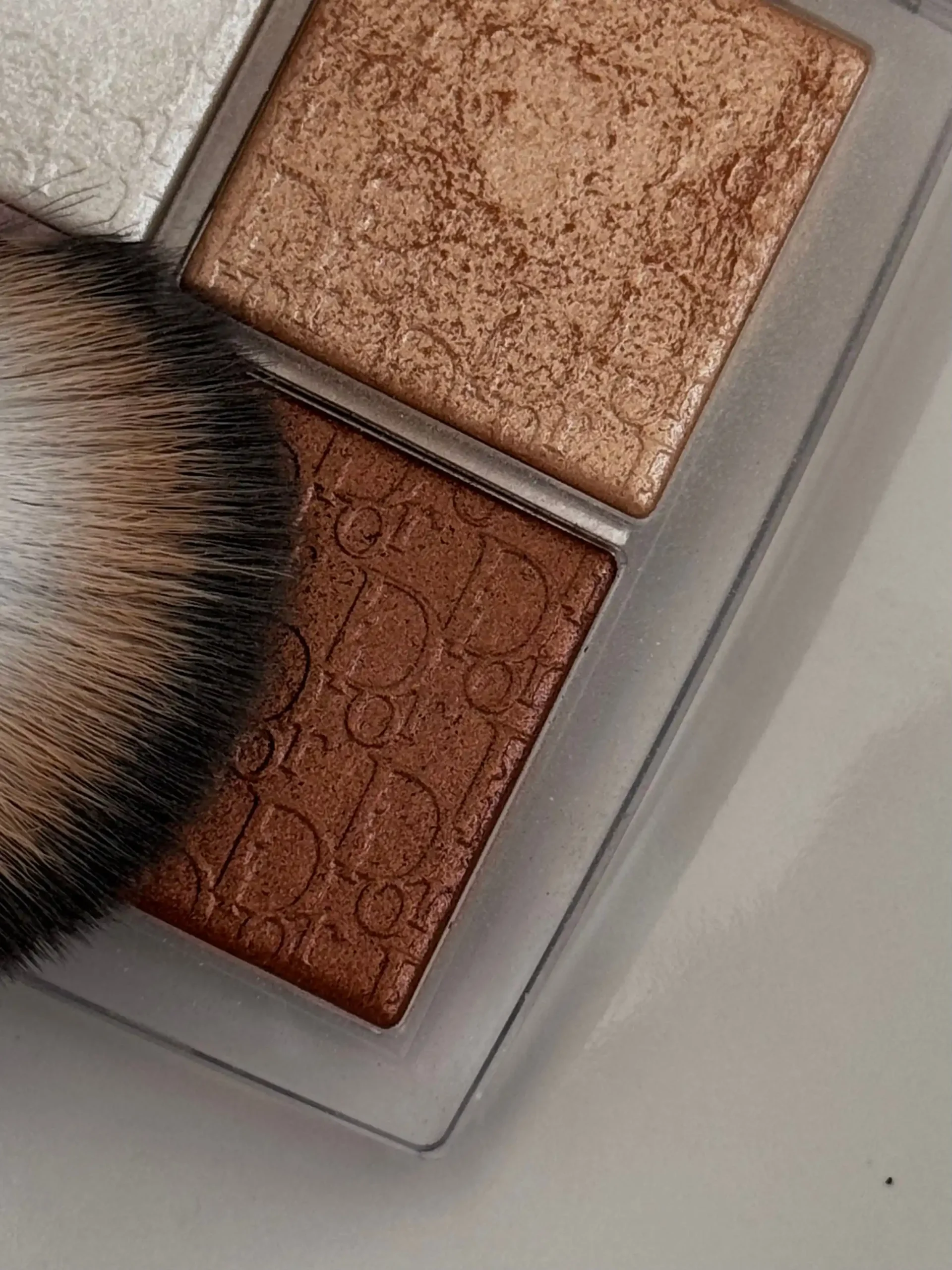
Highlighter has become a staple in modern makeup routines, adding a luminous finish that makes the skin look radiant, fresh, and beautifully defined. Whether you prefer a subtle everyday glow or a striking makeup look for a special occasion, the right highlighter can enhance your features and bring your entire look together. However, with so many shades available, choosing between gold and silver highlighter can be challenging. Both can create a beautiful glow, but their undertones and finishes can influence how they appear against your complexion.
The debate over gold vs. silver highlighter is not simply about personal preference. Factors such as your skin tone, natural undertone, makeup style, and the occasion can all influence which shade looks most flattering. Gold highlighter typically creates a warm, sun-kissed radiance, while silver highlighter often delivers a cooler, icy glow. Neither shade is universally better than the other, and both can look stunning when chosen and applied thoughtfully.
Understanding the differences between gold and silver highlighter can help you select a shade that complements your complexion instead of competing with it. From identifying your undertone to exploring alternative shades such as champagne and rose gold, this guide will help you discover the right highlighter for your makeup routine.
What Is the Difference Between Gold and Silver Highlighter?
Gold and silver highlighters are designed to reflect light, enhance the high points of the face, and create the appearance of luminous skin. Their main difference lies in their color temperature and the effect they produce when applied.
Gold highlighter contains warm golden, yellow, or golden-beige tones. Depending on the formula, it may have a soft champagne finish, a rich metallic sheen, or a subtle bronze-like glow. Gold shades often complement warm and neutral undertones because their golden pigments blend naturally with the skin’s existing warmth. They can also create beautiful contrast on cooler complexions when used intentionally.
Silver highlighter features cool-toned pigments that may look icy white, pearl-like, platinum, or metallic silver. It creates a cooler reflection that can make makeup appear fresh, bright, and editorial. Silver highlighter is often associated with cool undertones, although the right formula can work on a variety of complexions.
The finish also matters. A finely milled highlighter produces a soft, diffused glow, while a highly reflective metallic formula creates a more dramatic effect. Some products contain visible shimmer or glitter, whereas others offer a smoother, almost wet-looking finish.
When comparing gold vs. silver highlighter, remember that the shade name alone does not determine the final result. The product’s pigmentation, reflectivity, texture, and how it blends with your foundation can all affect how it looks on your skin.
Understanding Your Skin Tone and Undertone
Before choosing a highlighter, it helps to understand the difference between skin tone and undertone. Skin tone describes how light or deep your complexion appears, while undertone refers to the subtle color beneath the surface of your skin.
Skin tones are commonly described as fair, light, medium, tan, deep, or rich. Undertones are generally grouped into warm, cool, and neutral categories, although some people have olive undertones or a combination of characteristics.
Your skin tone can change with sun exposure, but your natural undertone usually remains relatively consistent. This is why a highlighter that looks beautiful on someone with a similar skin tone may appear different on you.
Warm undertones typically have golden, yellow, or peachy qualities. Cool undertones may have pink, rosy, or bluish qualities. Neutral undertones have a balance of warm and cool characteristics. Olive undertones can appear greenish, golden, or muted, making certain highlighter shades more flattering than others.
You can get clues about your undertone by observing how different shades of jewelry and clothing look against your skin. If gold jewelry tends to complement your complexion, you may lean warm. If silver jewelry looks particularly harmonious, you may lean cool. If both look equally flattering, you may have neutral undertones.
These observations are only starting points, not strict rules. Jewelry preferences, lighting, and surrounding colors can influence how your skin appears. When possible, test highlighter shades directly on your cheekbones in natural light to see how they blend with your complexion.
Gold Highlighter: Who Should Wear It?
Gold highlighter is a popular choice for creating a warm, radiant finish. Its golden pigments can complement the natural warmth of the complexion, making the skin appear luminous without necessarily looking overly glittery. Depending on the shade, gold highlighter can produce anything from a delicate golden sheen to a rich, bronzed glow.
Gold Highlighter for Warm Undertones
If your skin has warm undertones, gold highlighter is often a natural starting point. Its yellow and golden pigments can harmonize with your complexion, creating a cohesive finish that looks polished and radiant.
Gold highlighter pairs especially well with peach blush, coral lipstick, warm brown eyeshadow, and bronzer. These combinations can create a balanced makeup look suitable for everyday wear, summer outings, parties, and evening events.
For a subtle result, choose a soft champagne-gold shade instead of a strongly metallic yellow gold. This can provide luminosity without creating too much contrast with your skin.
Gold Highlighter for Medium and Tan Skin
Gold highlighter can look particularly striking on medium and tan complexions, especially when the shade has enough depth to remain visible after blending. Golden beige, honey gold, and warm champagne tones can enhance the skin’s natural warmth while creating dimension along the cheekbones.
If your complexion is medium or tan with neutral undertones, experiment with both warm gold and balanced champagne shades. The best option will depend on whether you prefer a warmer glow or a more understated finish.
Gold Highlighter for Deep Skin
On deep skin tones, richer gold, bronze-gold, and copper-gold shades can create a beautiful reflective effect. These colors can provide visible luminosity without leaving a pale or ashy cast, which may happen when a highlighter is too light or opaque for the complexion.
However, deeper skin tones can also wear lighter champagne or contrasting silver highlighters successfully. The key is finding a formula that blends smoothly and reflects light in a way that complements your desired makeup style.
Can People With Cool Undertones Wear Gold Highlighter?
Absolutely. People with cool undertones do not need to avoid gold highlighter. A softer champagne shade with a balanced mixture of gold and pearl can create a subtle warmth that contrasts beautifully with a cooler complexion.
If bright yellow gold feels too warm against your skin, try a muted champagne or pale neutral gold. These shades offer a golden reflection without creating an overly strong color difference.
Silver Highlighter: Who Should Wear It?
Silver highlighter creates a cool, luminous effect that can make makeup look fresh, bright, and sophisticated. Depending on its formula, it may resemble icy pearl, platinum, frosted silver, or a reflective white shimmer.
Unlike gold highlighter, which emphasizes warmth, silver highlighter introduces a cooler reflection. This makes it popular for frosty makeup looks, evening glam, creative beauty styles, and occasions when a more noticeable highlight is desired.
Silver Highlighter for Cool Undertones
If your skin has cool undertones, silver highlighter is often a flattering option. Its cool reflection can complement pink or rosy undertones, creating a harmonious finish that looks bright without appearing overly yellow.
Silver highlighter pairs well with cool pink blush, mauve lipstick, berry lip colors, and gray or lavender eyeshadow. These combinations can create a coordinated makeup look that feels elegant and modern.
For everyday wear, choose a fine pearl or soft silver highlighter rather than an intense metallic formula. A subtle sheen can brighten the cheekbones while keeping the overall look natural.
Silver Highlighter for Fair Skin
Silver and pearl highlighters can work beautifully on fair skin, particularly when the complexion has cool or neutral undertones. Their lighter reflective pigments can enhance the cheekbones and brow bones without introducing too much warmth.
However, an opaque white-silver formula may create an obvious stripe if it is not blended properly. To avoid this, look for a finely milled product with a translucent finish and apply it in thin layers.
If your fair skin has warm undertones, a soft champagne highlighter may provide a more seamless transition between your complexion and the reflective pigment.
Silver Highlighter for Medium and Deep Skin
Silver highlighter can also look striking on medium and deep skin tones. A reflective silver or platinum shade creates contrast that can be intentional and fashionable, particularly for editorial makeup, evening events, or bold beauty looks.
For a softer result, consider pearl shades with a translucent base rather than highly opaque white pigments. This can help prevent the product from looking chalky or sitting visibly on the skin.
If you have deeper skin and prefer a warm glow, gold may be your first choice, but you do not have to limit yourself to one color family. Makeup is also a way to experiment with contrast and personal style.
Gold vs. Silver Highlighter: Which Is Better for Your Skin Tone?
Choosing between gold and silver highlighter becomes easier when you consider both your undertone and the finish you want. The following comparisons can help you narrow down your options.
For warm undertones, gold highlighter is often a natural match because it complements golden, yellow, and peachy qualities in the skin. For cool undertones, silver or pearl highlighter can create a coordinated finish that complements rosy or pink undertones. For neutral undertones, champagne highlighter is a versatile choice because it balances warm and cool reflections.
For olive undertones, the best shade may depend on whether your complexion leans golden, neutral, or cool. Muted gold, champagne, and selected rose-gold shades can work well, while some icy silver formulas may create a stronger contrast. Testing several shades is often more useful than relying on undertone labels alone.
Skin depth is another consideration. Pale gold, soft champagne, and pearl shades may work well on fair skin when the finish is sheer. Medium and tan skin tones can explore golden beige, rich champagne, and rose gold. Deep skin tones may look radiant with bronze-gold, copper-gold, or high-impact silver, depending on the intended effect.
Ultimately, these are recommendations rather than strict rules. If you love the look of silver on warm skin or gold on cool skin, you can absolutely wear it. The most flattering shade is one that works with your desired look and makes you feel confident.
Champagne and Rose Gold: Alternatives to Gold and Silver
If you find it difficult to choose between gold and silver highlighter, champagne and rose gold offer additional options. These shades combine characteristics of different color families, making them useful for people who want something between a warm golden glow and a cool, pearly finish.
Champagne highlighter typically blends pale gold, beige, and pearl tones. Depending on the product, it may lean warmer or cooler. This versatility makes champagne a useful starting point for people with neutral undertones or anyone looking for an everyday highlighter that is easy to pair with different makeup styles.
Rose-gold highlighter combines golden warmth with pink or rosy reflections. It can complement warm, neutral, and some cool undertones, depending on the balance of pigments. Rose gold also pairs well with pink blush, peach lipstick, and soft brown eyeshadow.
Pearl highlighter is another option if you want a bright finish without a strongly metallic silver effect. Its reflective quality can create a delicate glow, especially when the formula is finely milled and applied sparingly.
Rather than choosing a shade based solely on its name, examine swatches and observe how the product looks once blended. A champagne shade from one brand may be warmer than a champagne shade from another, so comparing the actual color is important.
How to Apply Gold or Silver Highlighter for a Natural Glow
Even the most flattering shade can look uneven if it is applied incorrectly. Good skin preparation and careful placement can help you achieve a smooth, luminous finish with either gold or silver highlighter.
Start with skincare that suits your skin type, including moisturizer and sunscreen during the daytime. Allow your skincare products to settle before applying foundation or other complexion products. This can help makeup blend more evenly and reduce pilling.
Apply highlighter mainly to the areas where light naturally catches your face. The upper cheekbones are a popular placement because they can emphasize facial structure. You can also apply a small amount to the brow bones, the inner corners of the eyes, or the cupid’s bow, depending on your makeup style.
For a natural everyday look, use a small brush or your fingertips to apply a thin layer. Blend the edges carefully so the highlight appears to merge with your skin instead of forming a visible stripe. If you prefer a more intense glow, build the product gradually until you reach the desired effect.
Powder highlighters generally work well with a soft brush and a light hand. Liquid and cream highlighters can be tapped into the skin using your fingers or a sponge. When applying a liquid or cream formula over foundation, avoid rubbing too firmly, as this may disturb the base underneath.
The finish you choose also matters. A finely milled formula can create a soft glow suitable for daily wear, while a highly reflective metallic highlighter may be better suited to evening makeup or special occasions.
Common Highlighter Mistakes to Avoid
One common mistake is choosing a highlighter that is too light or opaque for the intended look. A very pale silver shade may leave a noticeable white cast on some complexions, while a strongly yellow gold may appear too warm against a cooler base. This does not mean you cannot wear those shades, but careful blending and selecting the right formula can improve the result.
Another mistake is applying too much product. Highlighter is designed to reflect light, so even a small amount can create a noticeable effect. Applying several thick layers may emphasize skin texture or make the cheeks look overly metallic. Start with less product and build gradually.
Ignoring texture can also affect your results. Highlighter with large glitter particles may emphasize pores or uneven skin texture, particularly when applied heavily. If you prefer a smooth finish, look for finely milled products with subtle shimmer or a satin glow.
Finally, avoid choosing a shade based only on trends or online swatches. Lighting, camera filters, and the products used underneath can make a highlighter look different from how it appears in person. Whenever possible, test the shade in natural light and observe how it blends into your complexion.
Final Thoughts: Finding Your Perfect Highlighter Shade
When comparing gold vs. silver highlighter, the best choice depends on your skin tone, undertone, preferred finish, and personal style. Gold highlighter is a popular option for creating a warm, sun-kissed glow, while silver highlighter offers a cooler, more reflective finish. Champagne, rose gold, and pearl shades provide additional options for people who want a more balanced or versatile look.
If you have warm undertones, start by exploring gold and golden champagne shades. If your undertones are cool, consider silver, pearl, and cool champagne. Neutral and olive complexions may benefit from testing several shades to discover which one blends most naturally with their skin.
Remember that makeup is not about following rigid rules. You can wear gold, silver, or any other highlighter shade that suits the look you want to create. Focus on choosing a formula that blends smoothly, complements your makeup routine, and delivers the finish you enjoy.
With the right shade and application technique, highlighter can enhance your features and bring a beautiful glow to your complexion. Whether you prefer warm golden radiance or an icy silver sheen, experimenting with different finishes is a simple way to make your makeup routine more personal and expressive.
Leave a Reply