
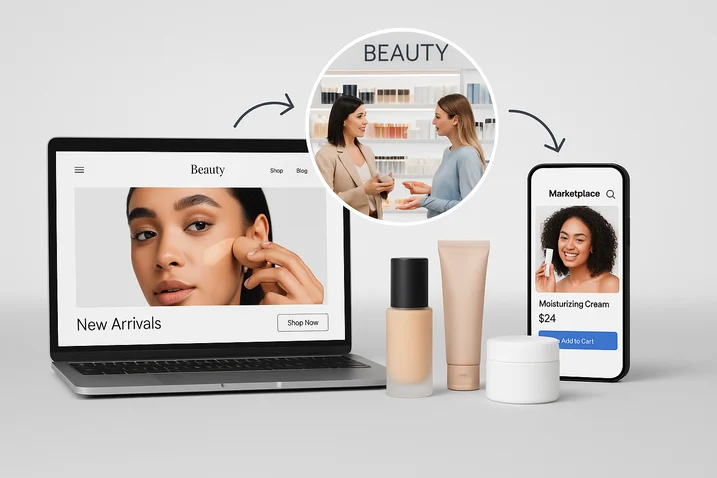
Beauty sales have a way of making everything look like a must-have.
A favorite moisturizer is suddenly discounted. A popular serum appears in a limited-time bundle. That eyeshadow palette you have been seeing everywhere is marked down, and a skincare set promises several products for less than the price of buying them individually.
Before long, a quick shopping visit turns into a cart full of products you never planned to purchase.
Seasonal beauty promotions can offer genuine savings, especially when they include products you already use. But discounts can also encourage unnecessary spending when shoppers confuse a lower price with a good purchase.
The smartest beauty shoppers approach sales with a plan. They know what needs replacing, what is worth trying, and what can stay on the wishlist.
This season, the goal is not to fill your bathroom cabinet. It is to build a beauty routine that works without overspending.
Start With What You Actually Need
Before browsing a sale, take a quick inventory of your current beauty products.
Check your everyday skincare, haircare, makeup, and personal-care essentials. Look for products that are nearly empty, items you regularly repurchase, and anything you genuinely need for the upcoming season.
This simple step helps separate planned purchases from products that only look appealing because they are discounted.
A useful approach is to divide your shopping list into three categories:
Replace: Products you already use and are running low on, such as cleanser, moisturizer, shampoo, conditioner, sunscreen, or foundation.
Restock: Reliable favorites you know you will continue using, particularly products that are part of your regular routine.
Explore: New products you are curious about but do not necessarily need right now.
The first two categories should receive most of your attention. The explore category can have a smaller budget so that trying something new does not interfere with essential purchases.
A sale becomes much easier to navigate when you know what you came to buy.
Prioritize Products You Use Regularly
Not every beauty product deserves the same place in your budget.
Products used every day or several times a week are often better purchases than occasional-use items. A moisturizer you apply every morning may provide more practical value than a trendy highlighter you might use twice.
Start by identifying the products that support your existing routine.
For skincare, this may include a gentle cleanser, moisturizer, and broad-spectrum sunscreen. For haircare, it could mean shampoo, conditioner, and a treatment suited to your hair’s needs. For makeup, it might be the foundation, concealer, mascara, or other products you consistently reach for.
Think about frequency of use, not just popularity.
If you use a product regularly and already know it works for you, a reasonable discount can make it a worthwhile purchase. If you are buying something simply because it is trending, give yourself more time to consider whether it belongs in your routine.
Compare the Real Value, Not Just the Discount
A product advertised at 40% off may look like an excellent deal, but the percentage alone does not tell you whether you are getting good value.
Compare the final price, product size, quantity, and cost per unit. A smaller bottle with a large discount may still cost more per ounce than a larger option at a modest discount.
For example, imagine two moisturizers:
- Product A costs $24 for 1.7 ounces.
- Product B costs $30 for 3.4 ounces.
Product B costs more at checkout, but it provides twice the amount for only six dollars more. If both products meet your needs and have comparable formulas, the larger size may offer better value.
Bundles require the same attention. A set containing five products is not automatically a better purchase than buying one or two items separately. Check whether you will actually use everything included.
A discount is only a saving when it applies to something you would have purchased anyway.
Be Selective With Beauty Bundles
Beauty gift sets and seasonal bundles are especially tempting because they promise more products for less money.
They can be worthwhile when they contain several products you already enjoy or have been planning to buy. However, bundles can also include unfamiliar shades, duplicate products, or items that do not suit your preferences.
Before purchasing, look at the full product list.
Ask yourself:
- Would I buy at least two or three of these products individually?
- Are the included sizes practical?
- Do the shades or formulas suit my needs?
- Is the bundle cheaper than purchasing the products I actually want separately?
- Am I paying for products I will probably leave unused?
If most of the bundle does not appeal to you, the deal may not be as attractive as it appears.
Sometimes buying one discounted favorite is a better decision than purchasing an entire collection.
Avoid Buying Products Just Because They Are Trending
Beauty trends move quickly. One month, everyone is talking about a particular lip treatment. The next, a new complexion product or skincare ingredient takes over social media.
Influencer recommendations, viral reviews, and limited-time promotions can make products feel urgent. But popularity does not automatically mean a product is suitable for everyone.
Consider your own preferences, skin needs, hair type, budget, and existing routine before purchasing something new.
For skincare, be especially careful about introducing several unfamiliar active ingredients at once. Products containing exfoliating acids, retinoids, or other potent ingredients may not be appropriate for every routine. Introducing new products gradually can make it easier to identify irritation or sensitivity.
For makeup, consider whether the shade, finish, and formula are practical for the way you normally wear makeup.
For haircare, look for products that address your actual concerns rather than buying every treatment promoted as a seasonal essential.
A product can be popular, beautifully packaged, and heavily discounted without being the right purchase for you.
Set a Beauty Budget Before Opening the Shopping Apps
One of the easiest ways to lose control during a seasonal sale is to shop without a spending limit.
A beauty budget creates a clear boundary before promotional messages and limited-time offers begin competing for your attention.
Decide how much you are comfortable spending overall. Then divide that amount according to your priorities.
For example, you might allocate most of your budget to everyday essentials, a smaller amount to replacing favorite products, and a limited portion to experimenting with something new.
You do not need a complicated spreadsheet. A simple note on your phone can be enough.
Keep track of the items you planned to buy, their original prices, sale prices, and the amount you have spent. Remember to include shipping fees and taxes when calculating your total.
If your cart reaches the budget limit, remove lower-priority products rather than increasing your spending just to take advantage of another promotion.
A sale should make your shopping more affordable, not create a reason to spend more.
Use the Cart-Waiting Rule
Impulse purchases often happen because shoppers feel they need to make a decision immediately.
A countdown timer, low-stock notification, or limited-time discount can create pressure even when the product is not particularly important.
One practical solution is to leave nonessential products in your cart for at least 24 hours before checking out.
During that time, ask yourself whether you still want the item without the excitement of the promotion.
Would you buy it at full price? Does it solve a genuine problem? Do you already own something similar? Is it compatible with your routine?
If the answer is no, remove it.
For larger purchases or unfamiliar products, taking a few days to research ingredients, reviews, and return policies can be even more helpful.
There is nothing wrong with missing a sale. Another promotion will come along, but unnecessary purchases can remain in your cabinet long after the discount has disappeared.
Check Expiration Dates and Product Storage
Buying beauty products in bulk can be convenient, but only when you can use them before they expire or deteriorate.
Skincare and makeup products have different shelf lives. Some products include a period-after-opening symbol, often shown as a small open jar with a number indicating how many months the product is intended to remain usable after opening.
Check packaging information and manufacturer guidance, particularly when buying clearance items or large multipacks.
Consider storage as well. Heat, humidity, and direct sunlight can affect certain beauty products. Purchasing several backups may not be worthwhile if you do not have a suitable place to store them.
This is particularly important for products with active ingredients or formulas that may be sensitive to light, air, or temperature.
Buying more than you can reasonably use is not a saving.
Read Reviews, but Look Beyond the Hype
Reviews can help shoppers understand how a product performs, but it is important to read them thoughtfully.
Look for detailed feedback from people with similar preferences or needs. For skincare, consider whether reviewers have comparable skin concerns. For makeup, look for information about shade, texture, wear time, and finish. For haircare, consider hair type and the specific result the reviewer was looking for.
Do not rely entirely on star ratings or short promotional videos.
Pay attention to recurring comments, including complaints about packaging, scent, texture, product performance, or customer service. A few negative reviews do not necessarily mean a product is poor, but repeated concerns may be worth considering.
Also check the retailer’s return policy. Some beauty products cannot be returned once opened, and sale items may have different conditions.
A little research before checkout can prevent a disappointing purchase later.
Watch Out for False Savings
A discounted price does not always represent the best available offer.
Compare prices across reputable retailers, check whether the promotion applies automatically, and look at the final checkout total. Some promotions require a minimum purchase, while others may exclude certain brands or products.
Be cautious of unfamiliar sellers offering unusually low prices on premium beauty products. Purchase from authorized retailers or the brand’s official website whenever possible, especially for skincare, cosmetics, and products applied near the eyes.
Counterfeit beauty products can create safety concerns, and a suspiciously low price is not worth the risk.
It is also useful to review subscription offers carefully. A discounted first order may come with automatic recurring deliveries. Check the terms before agreeing to a subscription or creating an account.
The best deal should be clear, transparent, and worth the final amount you pay.
A Smarter Seasonal Beauty Shopping Checklist
Before completing your next beauty order, take a moment to review these questions:
- Have I checked what I already own?
- Is this product on my shopping list?
- Will I use it regularly?
- Does the price offer genuine value?
- Have I compared the product size and cost per unit?
- Am I buying the item because I need it or because it is discounted?
- Have I checked the ingredients, shade, or formula?
- Is the seller reputable?
- Have I reviewed shipping costs and return policies?
- Does the total fit my budget?
If you cannot answer these questions confidently, consider waiting before purchasing.
The Best Beauty Sale Is the One That Works for Your Routine
Seasonal beauty sales can be a great opportunity to restock reliable favorites, discover a useful product, or save money on essentials. But the smartest shopping strategy is not about collecting the largest number of discounts.
It is about knowing what deserves a place in your routine.
Prioritize the products you use, compare the actual value, avoid unnecessary duplicates, and give yourself time to reconsider impulse purchases. A smaller cart filled with products you genuinely need is often more valuable than a large order built around temporary excitement.
Beauty should feel enjoyable, not financially stressful.
This season, shop with intention. Let your routine guide your purchases, let your budget set the boundaries, and remember that you do not have to buy something simply because it is on sale.
Sometimes the most satisfying beauty purchase is the one you carefully decide not to make.
References
- Federal Trade Commission — Online Shopping
- Federal Trade Commission — Shopping and Consumer Advice
- U.S. Food and Drug Administration — Cosmetics
- U.S. Food and Drug Administration — Cosmetics: Shelf Life and Expiration Dates
- American Academy of Dermatology — Skin Care Tips
- Consumer Reports — Shopping Advice
Leave a Reply